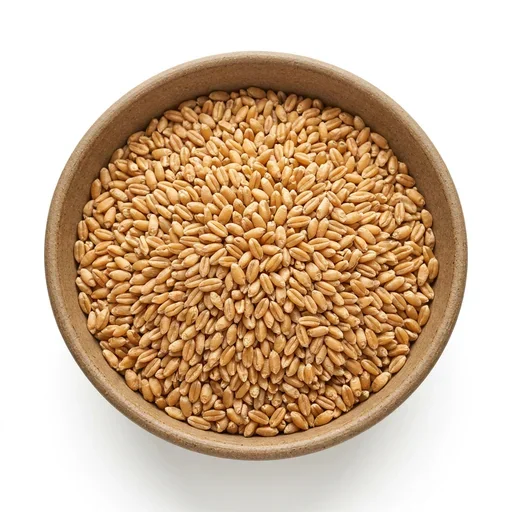
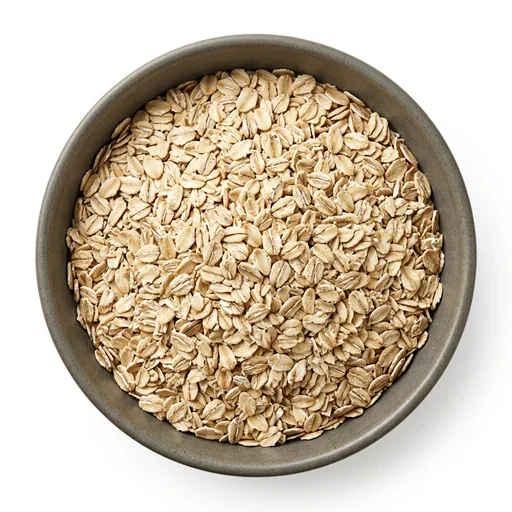
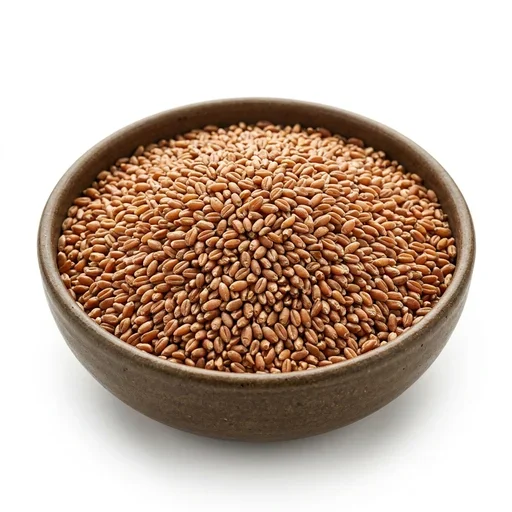
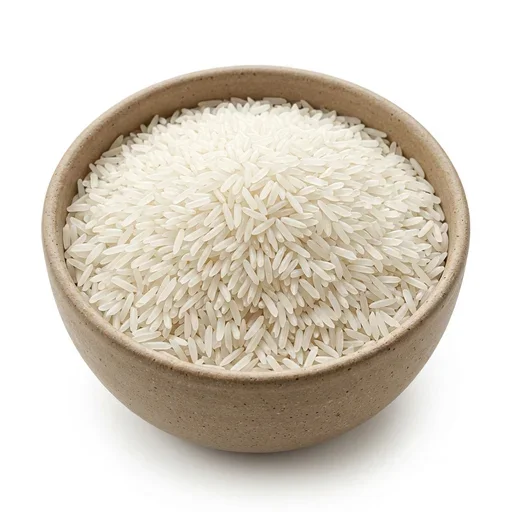
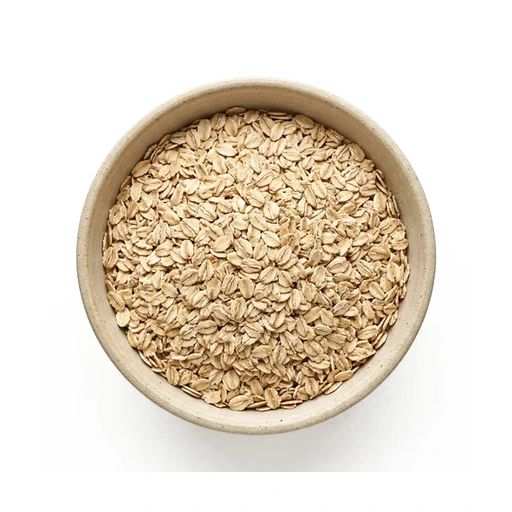
Calories and nutrition in breakfast cereals.
Breakfast cereals, fortified and unfortified, dry and made up with milk. A 40 g serving is the usual pack figure. The 24 foods here average 304 kcal per 100 g.
Breakfast cereals, A to Z.

Breakfast cereal, bran flakes, fortified

Breakfast cereal, bran type cereal, fortified

Breakfast cereal, cornflakes, crunchy / honey nut coated, fortified

Breakfast cereal, cornflakes, fortified

Breakfast cereal, cornflakes, frosted, fortified

Breakfast cereal, crunchy clusters type, without nuts, unfortified

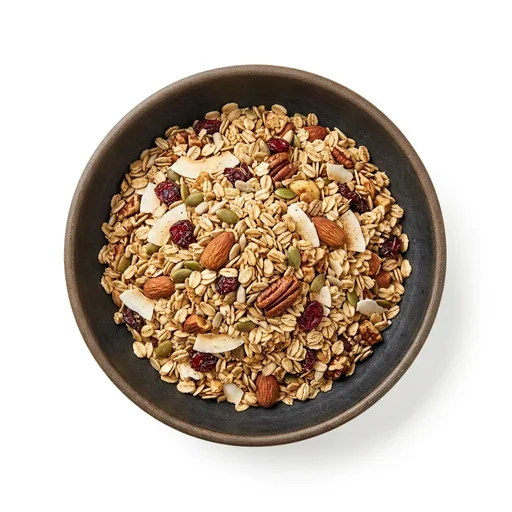
Breakfast cereal, crunchy/crispy muesli type cereal, with nuts, unfortified

Breakfast cereal, fruit and fibre type, fortified

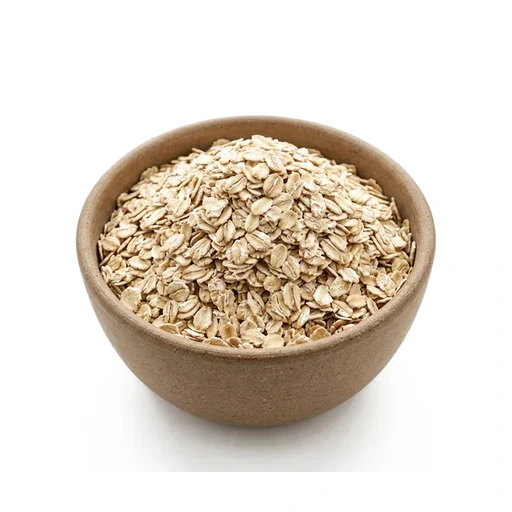
Breakfast cereal, instant hot oat, plain, raw, fortified

Breakfast cereal, malted flake, fortified

Breakfast cereal, malted wheat, fortified

Breakfast cereal, multigrain hoops, fortified

Breakfast cereal, Oat, instant, flavoured, unfortified, made up with semi-skimmed milk

Breakfast cereal, oat, instant, plain, fortified, cooked, made up with semi-skimmed milk

Breakfast cereal, puffed wheat, honey coated, fortified

Breakfast cereal, puffed wheat, unfortified

Breakfast cereal, rice, chocolate flavoured, fortified

Breakfast cereal, rice, toasted/crisp, fortified

Breakfast cereal, wheat and multigrain, chocolate flavoured, fortified

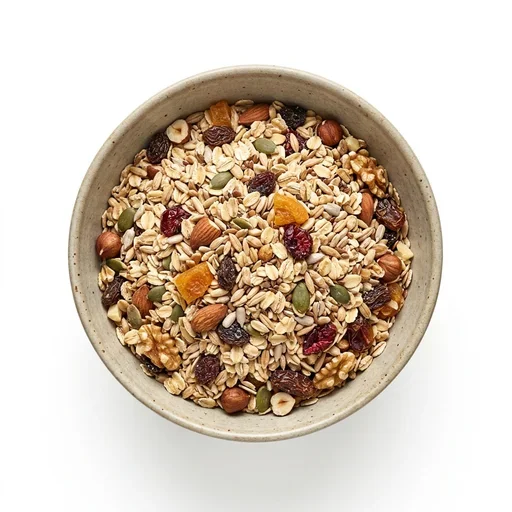
Muesli, Swiss style, no added sugar or salt, unfortified

Muesli, Swiss style, unfortified

Porridge, made with milk and water

Porridge, made with water

Porridge, made with whole milk
No foods match “”.
Daily reference values, and where to find them
Compare the adult daily reference values used on food labels with the richest sources among the 24 foods above. These are label references, rather than a personal supplement plan. Food amounts are per 100 g.
Minerals
Food groups
20 groups, 2,322 foods
About the nutrition data
Every figure comes from the UK government’s food composition dataset, shown per 100 g and per typical portion.
UK government food data
Figures come from CoFID 2021, the UK’s Composition of Foods Integrated Dataset, per 100 g of the edible part.
Open datasetPortions and daily values
Portions use typical UK sizes, such as 80 g for fruit and vegetables. Each card compares the food’s strongest nutrient with its legal daily reference value (NRV).
Reference valuesBadges follow UK law
Badges such as “high in”, “source of” and “low fat” use the thresholds in Regulation (EC) 1924/2006, checked per 100 g, or per 100 ml for drinks.
The rules
One scoop, every nutrient declared.
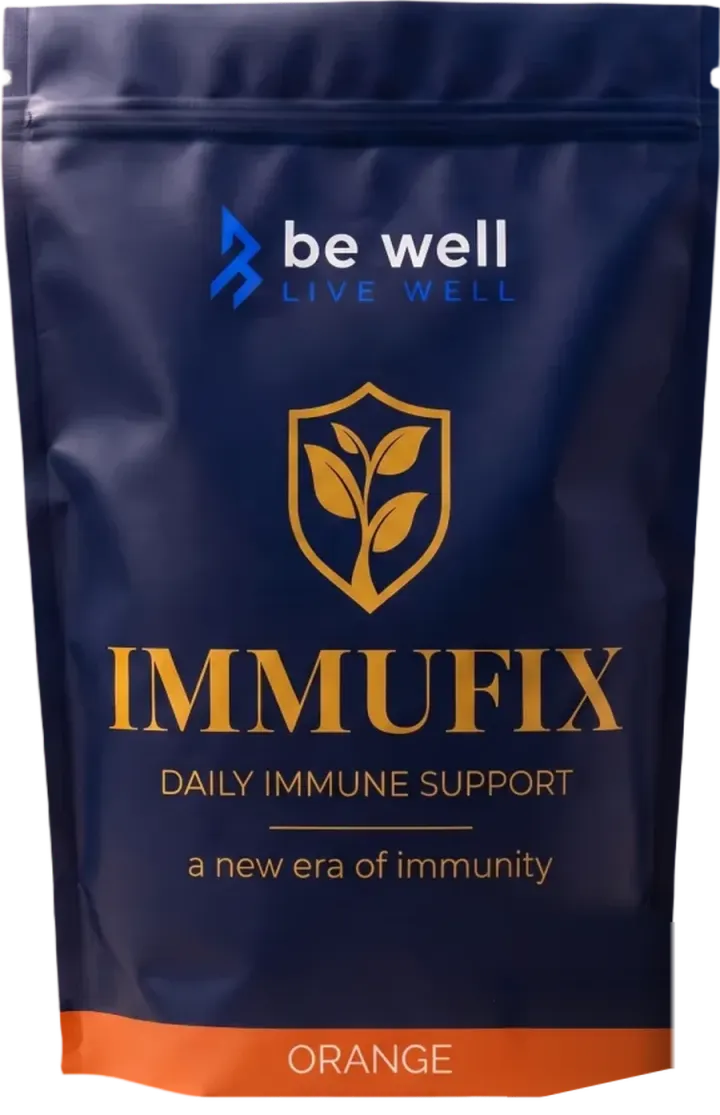
Every 25 g scoop of Immufix declares 100 mg of vitamin C, 0.00125 mg of vitamin D and 0.075 mg of selenium, alongside other vitamins and minerals, each with its amount on the pouch. Vitamin C, vitamin D, zinc and selenium contribute to the normal function of the immune system.
£1.73 a dayOn subscription
Try it for 30 daysMoney back on your first pouch
Same-day dispatchOrder before 2pm
Made in CambridgeshireSince 1998