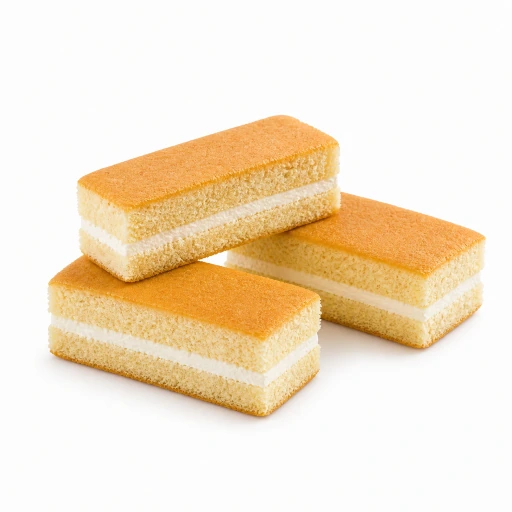
12 %
Calcium is needed for the maintenance of normal bones and teeth, and contributes to normal muscle function.
323kcal
in a 60 g slice
538 kcal per 100 g.
Source: UK CoFID 2021, record 11-230, 5 analysed samples. Checked 5 October 2026.
23.5 gFat
3.8 gProtein
25.8 gCarbohydrate
12 %Daily calcium
About a third of a slice is carbohydrate, 13.6 g of it sugars and 12.2 g starch.
Asian pastries are 538 kcal per 100 g. The 134 cakes, biscuits and pastries in this database average 394.
22.6 g of sugars per 100 g, which is red on a UK traffic-light label (the line is 22.5 g).
Three of the 14 reach the “source of” level, calcium first; none reaches “high in”.
Calcium is needed for the maintenance of normal bones and teeth, and contributes to normal muscle function.
Badges use the UK legal thresholds per 100 g: 15 % of the reference intake for “source of”, 30 % for “high in”.
No recorded vitamin C or vitamin B12, and only 5.1 % of the magnesium reference intake per 100 g.

100 mgVitamin C, 125 %
0.075 mgSelenium, 136 %
0.00125 mgVitamin D, 25 %
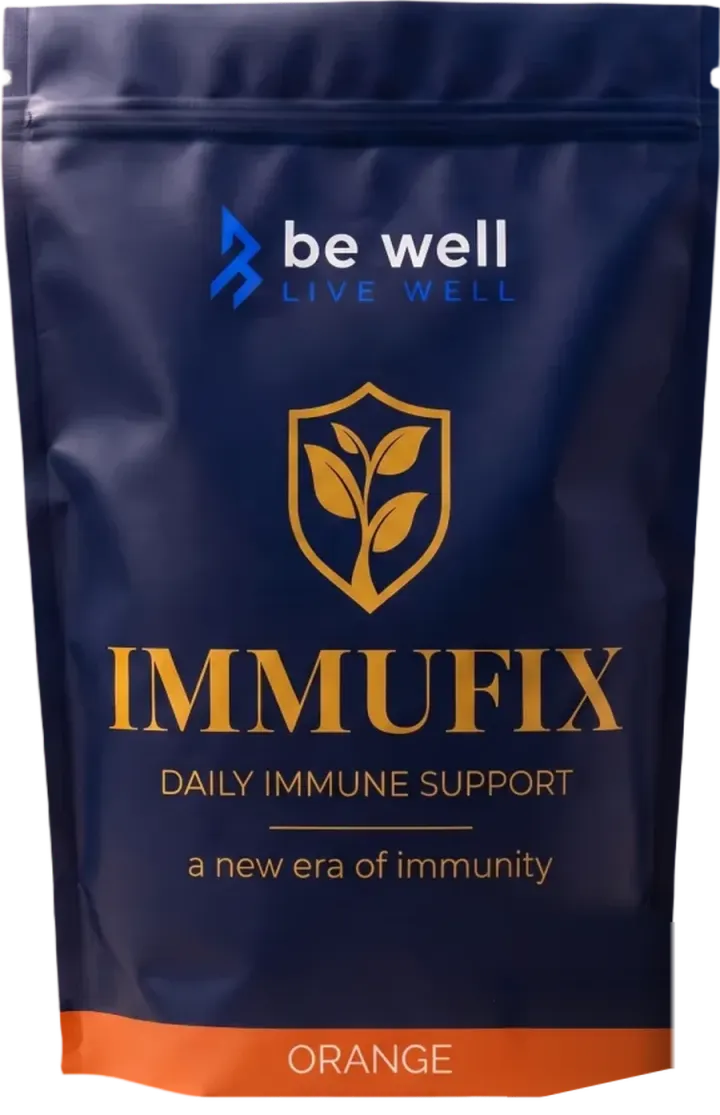
Every 25 g scoop declares 100 mg of vitamin C, 0.00125 mg of vitamin D and 0.075 mg of selenium, alongside other vitamins and minerals. Vitamin C, vitamin D and selenium contribute to the normal function of the immune system.
30-day money-back on your first pouch. 75 kcal and 9.9 g of sugars a scoop.
30-day money-back guarantee on your first qualifying pouch, less £10 shipping and handling.
Free standard delivery to UK addresses. Royal Mail 48 tracked, usually 2 to 3 working days.
Made in the UK since 1998, with every nutrient and its declared amount listed on the label.
Per 100 g, Asian pastries have the most calcium of the 6 here, ahead of muffins (English style, white, toasted).
All values per 100 g, from the same dataset. Differences are against Asian pastries.

Since that first introduction in 1998, Immufix has remained a constant in my life.
Paula Radcliffe, ambassador and co-owner. Read her story
Paula Radcliffe has taken the same formula since she was 24. Customers rate Immufix 4.8 out of 5 from 89 reviews.
What the numbers say to the questions people actually search.
From the same group, with calories per 100 g, and the foods with the most calcium.