
Veganuary nutrients, and where to find them.
A vegan diet can give you everything you need, but a few nutrients take more planning than the rest. Here are the six the NHS points to, with UK food figures and simple ways to cover each one.
Quick answer. The Veganuary nutrients to plan for are vitamin B12, iodine, vitamin D, calcium, iron and omega-3 fats. The NHS says "You can get the nutrients you need from eating a varied and balanced vegan diet including fortified foods and supplements." In practice that means a fortified unsweetened soya or oat drink, fortified cereal, pulses, green vegetables, nuts and seeds most days, plus a vitamin B12 source you can count on.
What nutrients do vegans need in the UK?
Vegans need the same nutrients as everyone else. The difference is where some of them come from. Meat, fish, eggs and dairy supply most of the vitamin B12, iodine and calcium in a typical UK diet, so cutting them out means finding those nutrients elsewhere. The NHS advice is to "have fortified foods or consider supplements containing nutrients that are more difficult to get through a vegan diet, including vitamin D, vitamin B12, iodine, selenium and calcium".
| Nutrient | Adult daily amount (NHS) | Vegan sources |
|---|---|---|
| Vitamin B12 | 1.5µg | Fortified cereals, fortified soya drinks, fortified yeast extract and nutritional yeast |
| Iodine | 140µg | Plant drinks fortified with iodine (check the label) |
| Vitamin D | 10µg | Summer sunlight, fortified spreads, cereals and soya drinks |
| Calcium | 700mg | Fortified plant drinks, calcium-set tofu, kale, broccoli, sesame and tahini, bread |
| Iron | 8.7mg men, 14.8mg women 19 to 49 | Pulses, wholemeal bread, fortified cereals, dark green vegetables, nuts, dried fruit |
| Omega-3 fats | Nuts and seeds every day | Walnuts, ground linseed, chia seeds, shelled hemp seeds, rapeseed oil |
The daily amounts come from the NHS pages on vitamin B, iodine, vitamin D, calcium and iron. Food figures below are per 100g from CoFID 2021, the UK government's food composition dataset.
Where do vegans get vitamin B12?
Vitamin B12 is the one nutrient that needs a plan from day one. The NHS explains that "vitamin B12 is not found naturally in foods such as fruit, vegetables and grains, vegans may not get enough of it", and adds that "Sources for vegans are limited and a vitamin B12 supplement may be needed." Adults aged 19 to 64 need about 1.5µg a day.
Fortified foods are the everyday answer. Fortified bran flakes have 2.3µg of B12 per 100g in CoFID, so a 30g bowl gives about 0.7µg (calculated). Unsweetened fortified soya drink has 0.4µg per 100g, so a 250ml glass gives about 1µg (calculated, taking 250ml as 250g). Fortification varies by brand, so read the label of the one you buy.
How do vegans get iodine and vitamin D?
Iodine
Adults need 140µg of iodine a day. The NHS lists cows' milk and dairy products as good sources, and says that if you eat no fish, eggs or dairy "you may want to consider foods fortified with iodine or consider taking an iodine supplement." It also notes: "Some types of plant-based drinks (such as soya or oat) are also fortified with iodine. Check the label to see if it includes iodine." The label matters here. CoFID's figure for unsweetened fortified soya drink is 1µg of iodine per 100g, against 30µg for semi-skimmed cows' milk. Our guide to iodine, milk and fish has more on UK sources.
Vitamin D
Adults need 10µg of vitamin D a day, and the NHS says "everyone (including pregnant and breastfeeding women) should consider taking a daily supplement containing 10 micrograms of vitamin D during the autumn and winter." That advice applies whatever you eat. Fortified foods help: fortified bran flakes have 4.6µg per 100g in CoFID, and fortified soya drink has 0.8µg. For vegans, the NHS adds: "Read the label to ensure the vitamin D used in a product is not of animal origin." Our vitamin D guide explains when UK sunlight can and cannot make vitamin D.
Where do vegans get calcium?
Adults need 700mg of calcium a day. Dairy supplies much of it in a typical diet, so vegans need other sources every day. The NHS lists green leafy vegetables such as broccoli, cabbage and okra, "but not spinach", explaining that the body cannot digest all of the calcium in spinach. It also lists fortified unsweetened soya, pea and oat drinks, calcium-set tofu, sesame seeds and tahini, pulses, dried fruit and bread, noting that "in the UK, calcium is added to white and brown flour by law".
From CoFID, per 100g:
- Fortified soya drink: 120mg, so a 250ml glass gives about 300mg (calculated).
- Curly kale, boiled: 231mg, so an 80g portion gives about 185mg (calculated).
- Tahini: 680mg, so a 15g tablespoon gives about 100mg (calculated).
- Wholemeal bread: 106mg, so two 40g slices give about 85mg (calculated).
A glass of fortified drink, a portion of kale and a slice of toast with tahini come to around 630mg before anything else in the day (calculated).
How do vegans get enough iron?
The NHS gives 8.7mg a day for men aged 19 and over and for women aged 50 and over, and 14.8mg a day for women aged 19 to 49. Its vegan page notes that iron from plant foods "is absorbed by the body less well than iron from meat", and gives simple advice: "eat foods containing vitamin C at the same time, and avoid drinking tea or coffee during or after main meals."
Good sources, per 100g in CoFID:
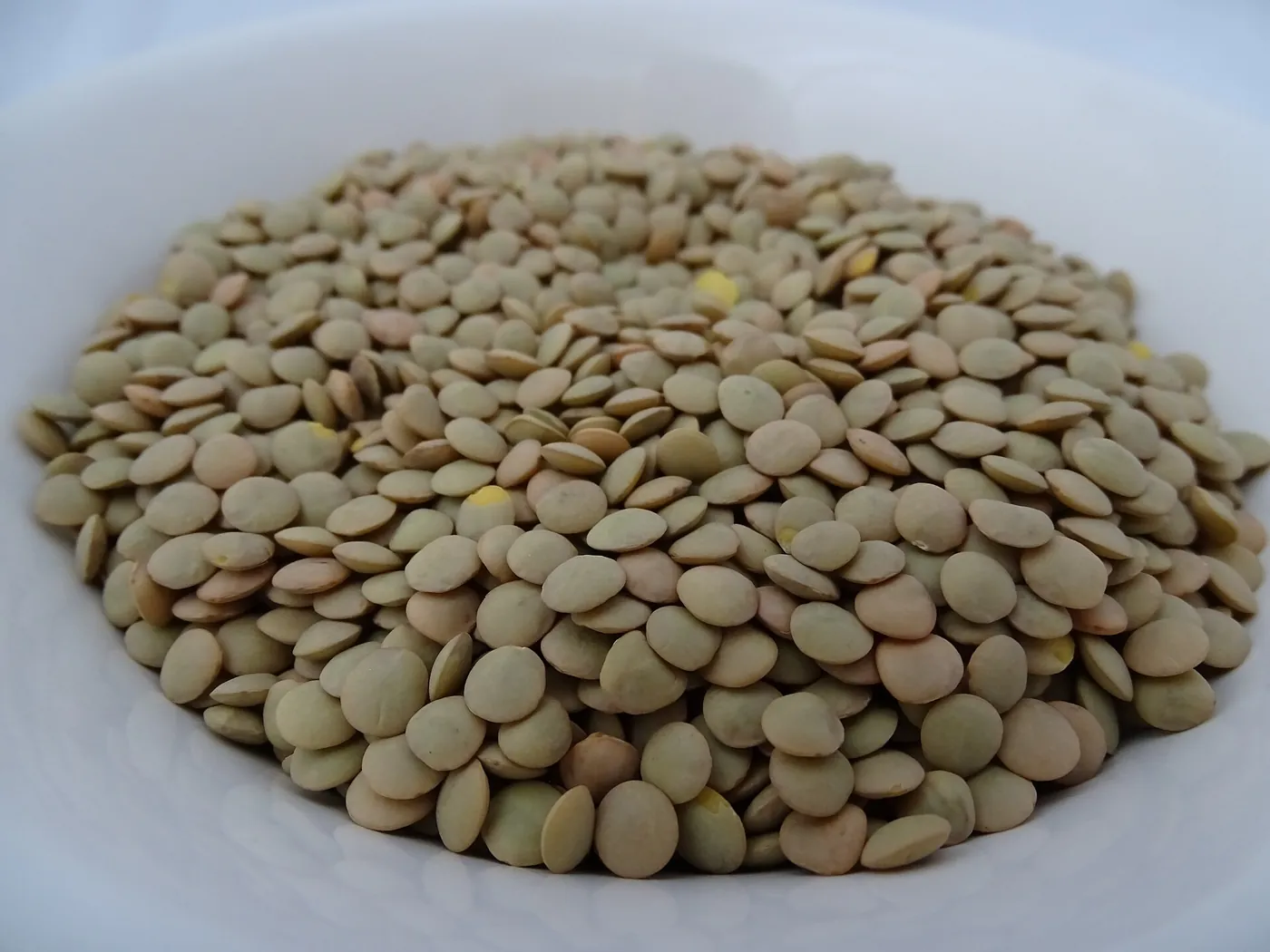
- Green and brown lentils, boiled: 2.1mg
- Chickpeas, canned and drained: 1.9mg
- Wholemeal bread: 2.4mg
- Pumpkin seeds: 10mg, so a 30g handful gives 3mg (calculated)
- Fortified bran flakes: 13.5mg, so a 30g bowl gives about 4mg (calculated)
A lentil curry with peppers or tomatoes, and a glass of orange juice with fortified cereal, put the NHS advice into practice. See vitamin C and iron for the detail.
Where do vegans get omega-3?
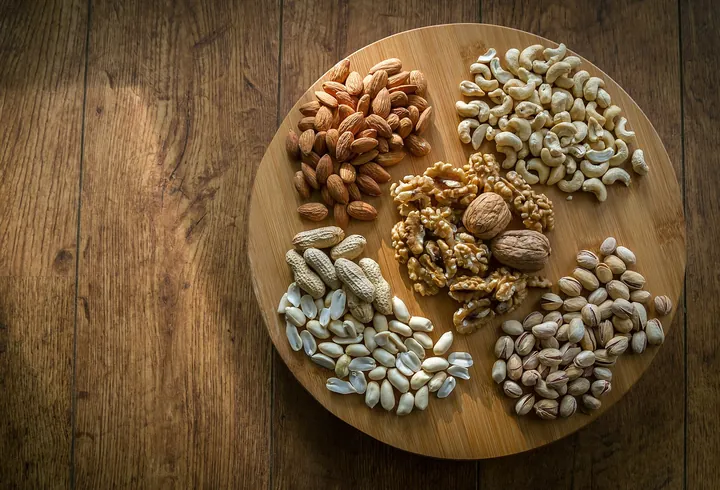
Oily fish is the usual source of omega-3 fats, so vegans rely on plant sources. The NHS advice is to "eat nuts and seeds rich in omega-3 fatty acids (such as walnuts) every day". Its list of vegan sources is ground linseed (flaxseed) oil, vegetable (rapeseed) oil, chia seeds, shelled hemp seeds and walnuts. Walnuts have 7.47g of the plant omega-3 called alpha-linolenic acid per 100g in CoFID, so a 30g handful gives about 2.2g (calculated). Cooking with rapeseed oil and adding ground linseed or chia to porridge are easy daily habits. Our guide to omega 3 foods compares the plant and fish sources per 100g.
Where Immufix fits.
Only the Orange flavour of Immufix is vegan. Vanilla is vegetarian, and both contain soya. One 25g scoop in around 200ml of water once a day gives 1.25µg of vitamin D (25% NRV), which contributes to the maintenance of normal bones and teeth and to the normal absorption and utilisation of calcium and phosphorus. It gives 37.5µg of iodine (25% NRV), which contributes to normal cognitive function and to normal energy-yielding metabolism, and 75µg of selenium (136% NRV), which contributes to normal thyroid function. A scoop also contains 0.25µg of vitamin B12 (10% NRV) and 1.25mg of iron (9% NRV). Those amounts are too low for any claim, so Immufix is not a B12 or iron source to rely on, and you still need a dependable B12 source. Every amount is on the science page, and our vegan and vegetarian guide covers labels and allergens.
The short version.
- The six nutrients to plan for on Veganuary are vitamin B12, iodine, vitamin D, calcium, iron and omega-3 fats.
- Vitamin B12 needs a reliable fortified food or a supplement. Adults need about 1.5µg a day.
- Check plant drink labels for iodine, calcium and B12, and choose unsweetened fortified versions.
- Pulses, wholemeal bread, fortified cereal and seeds supply iron. Eat vitamin C foods with them and keep tea and coffee away from meals.
- Have omega-3 rich nuts and seeds, such as walnuts, every day.
Food supplements should not be used as a substitute for a varied, balanced diet and a healthy lifestyle. If you have a medical condition, are pregnant, breastfeeding or taking medication, speak to your GP or pharmacist before taking any food supplement.
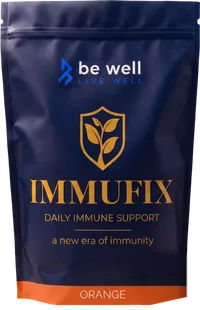

Daily Immune Support
Vitamins, minerals and plant nutrients in one daily scoop. The formula Paula Radcliffe has taken every day since 1998.
4.8 out of 5 · 89 reviewsMonthly subscription. £52.00 is charged every month until you cancel. Minimum three payments, then cancel any time. Subscription terms
New here? 20% off your first order with code TRYIMMUFIX. Apply it
Dispatched the same day on weekday orders placed before 2pm.
Free standard UK delivery. Royal Mail 48 tracked, 2 to 3 working days. UK addresses only.
30‑day money-back guarantee. Try your first pouch of IMMUFIX for up to 30 days. If it’s not for you, we’ll refund your first qualifying pouch, less £10 shipping and handling. First purchase only. T&Cs apply.
Checkout completes securely on immufix.com
More from the journal.

Vitamins for runners, food first.
Which vitamins and minerals runners need, why food comes first, the NHS vitamin D advice for autumn and winter, iron, calcium and the authorised claims.
10 October 2026 · 7 min read
How much vitamin B12 you need each day.
The NHS says adults need about 1.5 micrograms of vitamin B12 a day. UK figures by age, the best foods, vegan sources and the 2mg supplement line.
7 November 2026 · 6 min read
Vitamin B12 foods, from liver to fortified cereal.
The UK foods highest in vitamin B12 per 100g from government data, the fortified foods vegans rely on, and how much adults need a day.
7 November 2026 · 6 min read