
Vitamin B12 foods, from liver to fortified cereal.
Vitamin B12 is found naturally only in animal foods, and a few of them carry far more than the rest. Here are the UK figures per 100g and per portion, and the fortified foods that cover it for vegans.
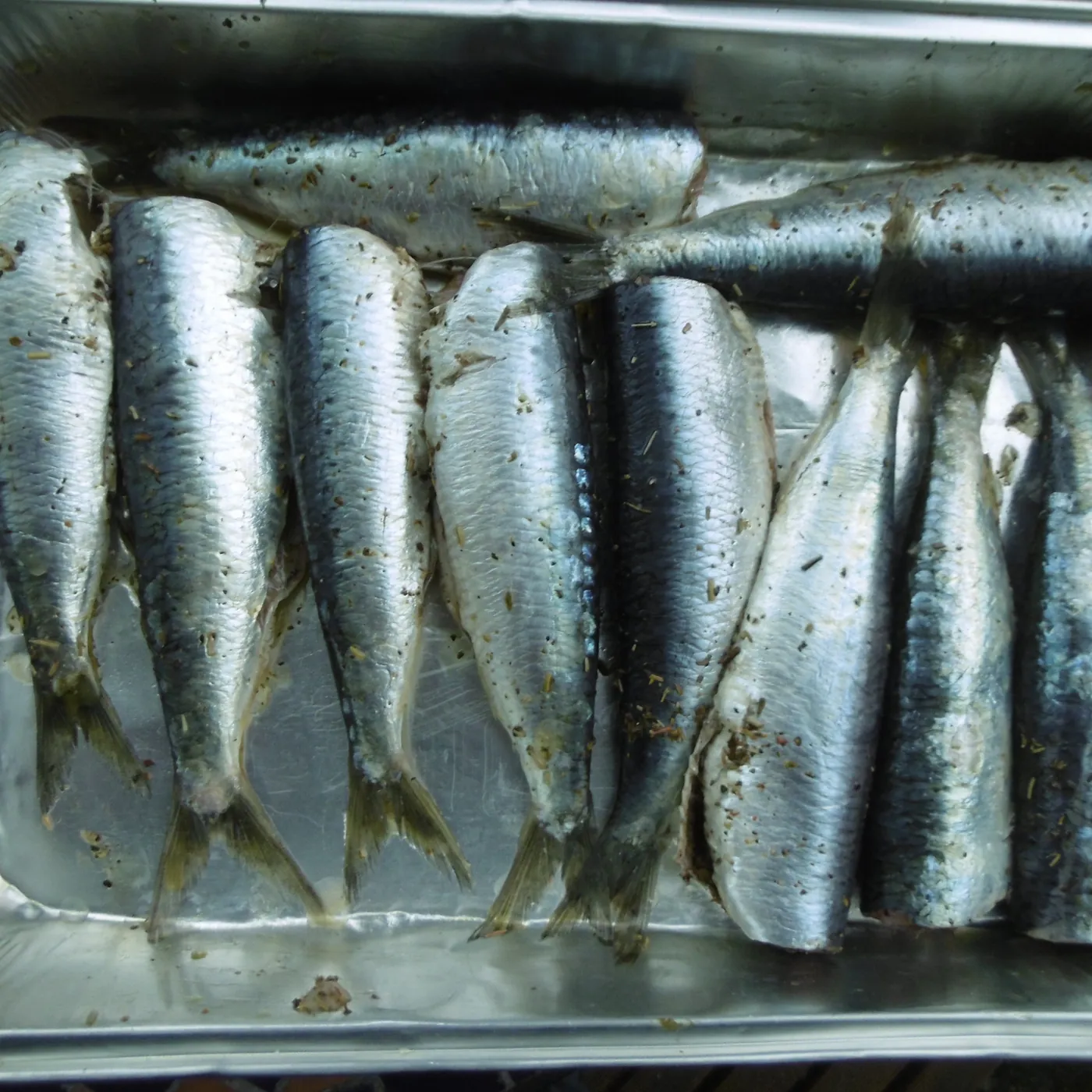
Quick answer. The richest vitamin B12 foods in the UK's food composition data (CoFID 2021) are liver (83µg per 100g in fried lamb's liver), shellfish such as cockles (47µg) and mussels (10.6µg), and oily fish such as sardines (10.8µg) and smoked mackerel (10.2µg). Beef, eggs, cheese and milk carry smaller amounts. Plants do not contain it naturally, so the NHS lists fortified breakfast cereals, fortified unsweetened soya drinks and fortified yeast extract as the B12 foods for vegans. Adults need about 1.5µg a day.
What are the best vitamin B12 foods in the UK?
The NHS vitamin B page lists the good sources as meat, fish, milk, cheese, eggs and some fortified breakfast cereals. For the numbers, the source is the government's Composition of Foods Integrated Dataset (CoFID). Every figure below is from its 2021 release, per 100g of the food as described, with a typical portion beside it.
| Food (as eaten) | Vitamin B12 per 100g | In a typical portion |
|---|---|---|
| Lamb's liver, fried | 83µg | 83µg (100g) |
| Cockles, boiled | 47µg | 65.8µg (140g) |
| Sardines, canned in brine, drained | 10.8µg | 15.1µg (140g) |
| Mussels, purchased cooked | 10.6µg | 14.8µg (140g) |
| Mackerel, smoked | 10.2µg | 14.3µg (140g) |
| Tuna, canned in brine, drained | 3.4µg | 4.8µg (140g) |
| Haddock, poached | 2.4µg | 3.4µg (140g) |
| Cheddar cheese | 2.4µg | 0.7µg (30g) |
| Bran flakes, fortified | 2.3µg | 0.9µg (40g bowl) |
| Beef mince, stewed | 2.0µg | 2.0µg (100g) |
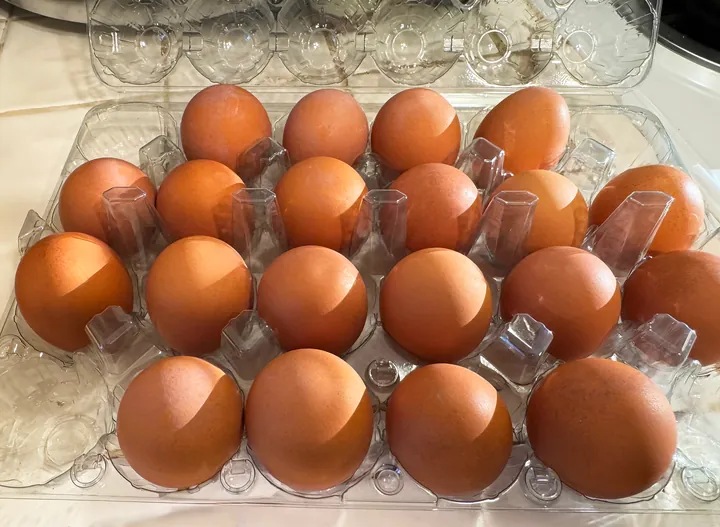
| Eggs, boiled | 2.0µg | 1.2µg (one 60g egg) |
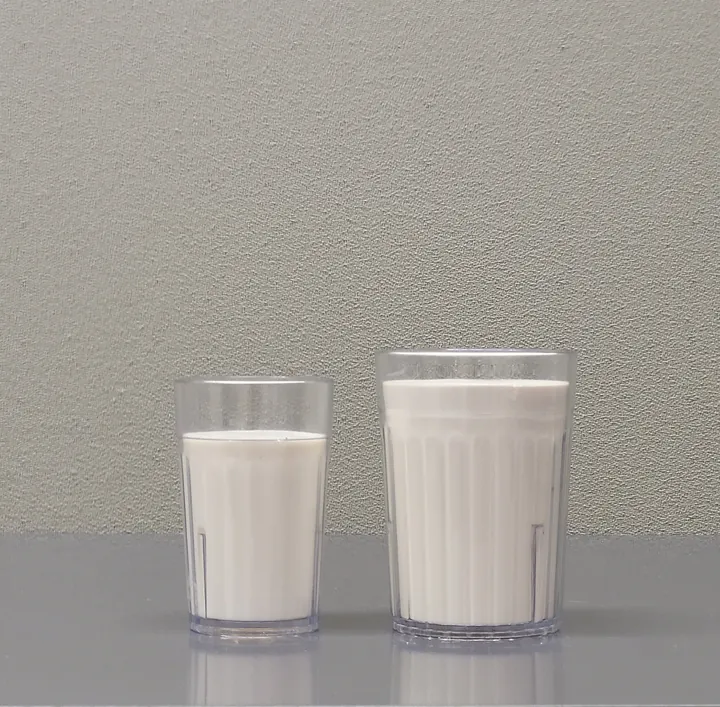
| Semi-skimmed milk | 0.9µg | 1.8µg (200g glass) |
| Soya drink, unsweetened, fortified | 0.4µg | 0.8µg (200g glass) |
Portion figures are calculated from the per-100g values at the portion sizes used on our food pages. Fortified foods vary by brand, so the label on the pack is the figure to trust for those.
More on vitamin B12, including what the law allows it to be said to do, is in our vitamin B12 guide. Linked foods in the table open their own page with the full per-100g figures.
Which foods are high in B12 that you eat every week?
Liver and cockles top the table, but few people eat them often. The foods that do most of the work in a normal UK week are fish, eggs, milk and cheese.
- A 140g portion of canned sardines carries 15.1µg, about ten times the NHS daily figure.
- A 140g portion of tinned tuna carries 4.8µg, about three times it.
- A 200g glass of semi-skimmed milk carries 1.8µg, which on its own is more than the 1.5µg the NHS gives for adults.
- One boiled egg (60g) carries 1.2µg.
- A 40g bowl of fortified bran flakes carries 0.9µg, from the B12 added to the cereal.
That is why the NHS says "If you eat meat, fish or dairy foods, you should be able to get enough vitamin B12 from your diet." Across a normal week, a few of these foods add up to well over the daily figure.
What are the B12 foods for vegans in the UK?
Vitamin B12 is not found naturally in plant foods. The NHS says "as vitamin B12 is not found naturally in foods such as fruit, vegetables and grains, vegans may not get enough of it." In CoFID, lentils, beans, tofu and the other everyday plant proteins all record zero.
The NHS vegan diet page is direct about it: "Sources for vegans are limited and a vitamin B12 supplement may be needed." It lists three types of food:
- "breakfast cereals fortified with B12"
- "unsweetened soya drinks fortified with vitamin B12"
- "yeast extract, such as Marmite, and nutritional yeast flakes which are fortified with vitamin B12"
CoFID gives yeast extract 14.5µg per 100g, though it is eaten a few grams at a time. A fortified soya drink at 0.4µg per 100g gives 0.8µg in a 200g glass. Brands add different amounts, so check the nutrition panel: B12 is listed there whenever it has been added.
A practical vegan routine uses more than one of these each day, for example a fortified cereal with fortified soya drink at breakfast and yeast extract on toast later. For anyone unsure whether their diet covers it, a GP or pharmacist can advise.
Can vegetarians get enough B12 from eggs and dairy?
Usually, yes. The NHS vegetarian diet page says "If you regularly eat eggs or dairy products, you probably get enough." The table shows why: a glass of milk and an egg together carry 3.0µg, twice the adult figure.
The same page adds that "if you only eat a small amount or avoid all animal products, it's important to have a reliable source of vitamin B12 in your diet." Its list for vegetarians adds milk, cheese and eggs to the fortified foods above.
How much vitamin B12 do adults need a day?
The NHS says "Adults (aged 19 to 64) need about 1.5 micrograms a day of vitamin B12." The UK Government Dietary Recommendations give the same 1.5µg for adults of every age. Food labels use a different reference, the NRV, which is 2.5µg for vitamin B12 under the food information rules. Our guide to what NRV means explains why the two differ.
On the upper end, the NHS says "Taking 2mg or less a day of vitamin B12 in supplements is unlikely to cause any harm." That is 2,000µg, far above anything in food.
Our guide to how much vitamin B12 you need a day sets out the figures for children and older adults.
Where Immufix fits.
Food comes first, and for most people who eat fish, eggs or dairy it covers vitamin B12 comfortably. Immufix is a daily food supplement taken as one scoop (25g) in around 200ml of water, once a day. One scoop contains 0.25µg of vitamin B12, which is 10% of the NRV. That is below the 15% needed for any claim, so we make no claim for it, and it is not a reliable B12 source for vegans on its own. The Orange flavour is vegan and both flavours are vegetarian.
The B vitamins it does carry at claimable levels are riboflavin, niacin, pantothenic acid, vitamin B6 and folic acid. Each of those contributes to the reduction of tiredness and fatigue. Our guide to vegan and vegetarian vitamin powders covers what to look for on a label, and the full list of amounts is on the science page.
The short version.
- Per 100g, liver (83µg in fried lamb's liver) and cockles (47µg) lead the UK data, followed by sardines, mussels and mackerel at around 10µg.
- Everyday sources are fish, eggs, milk and cheese. A glass of milk alone carries 1.8µg.
- Adults need about 1.5µg a day, according to the NHS. Labels use an NRV of 2.5µg.
- Plants do not contain B12 naturally. Vegans need fortified cereals, fortified soya drinks, fortified yeast extract or a supplement.
- Check the label on fortified foods, because the amount added varies by brand.
Food supplements should not be used as a substitute for a varied, balanced diet and a healthy lifestyle. If you have a medical condition, are pregnant, breastfeeding or taking medication, speak to your GP or pharmacist before taking any food supplement.
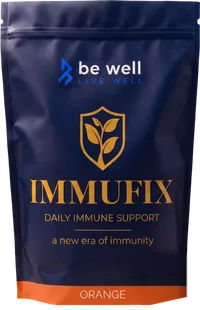

Daily Immune Support
Vitamins, minerals and plant nutrients in one daily scoop. The formula Paula Radcliffe has taken every day since 1998.
4.8 out of 5 · 89 reviewsMonthly subscription. £52.00 is charged every month until you cancel. Minimum three payments, then cancel any time. Subscription terms
New here? 20% off your first order with code TRYIMMUFIX. Apply it
Dispatched the same day on weekday orders placed before 2pm.
Free standard UK delivery. Royal Mail 48 tracked, 2 to 3 working days. UK addresses only.
30‑day money-back guarantee. Try your first pouch of IMMUFIX for up to 30 days. If it’s not for you, we’ll refund your first qualifying pouch, less £10 shipping and handling. First purchase only. T&Cs apply.
Checkout completes securely on immufix.com
More from the journal.
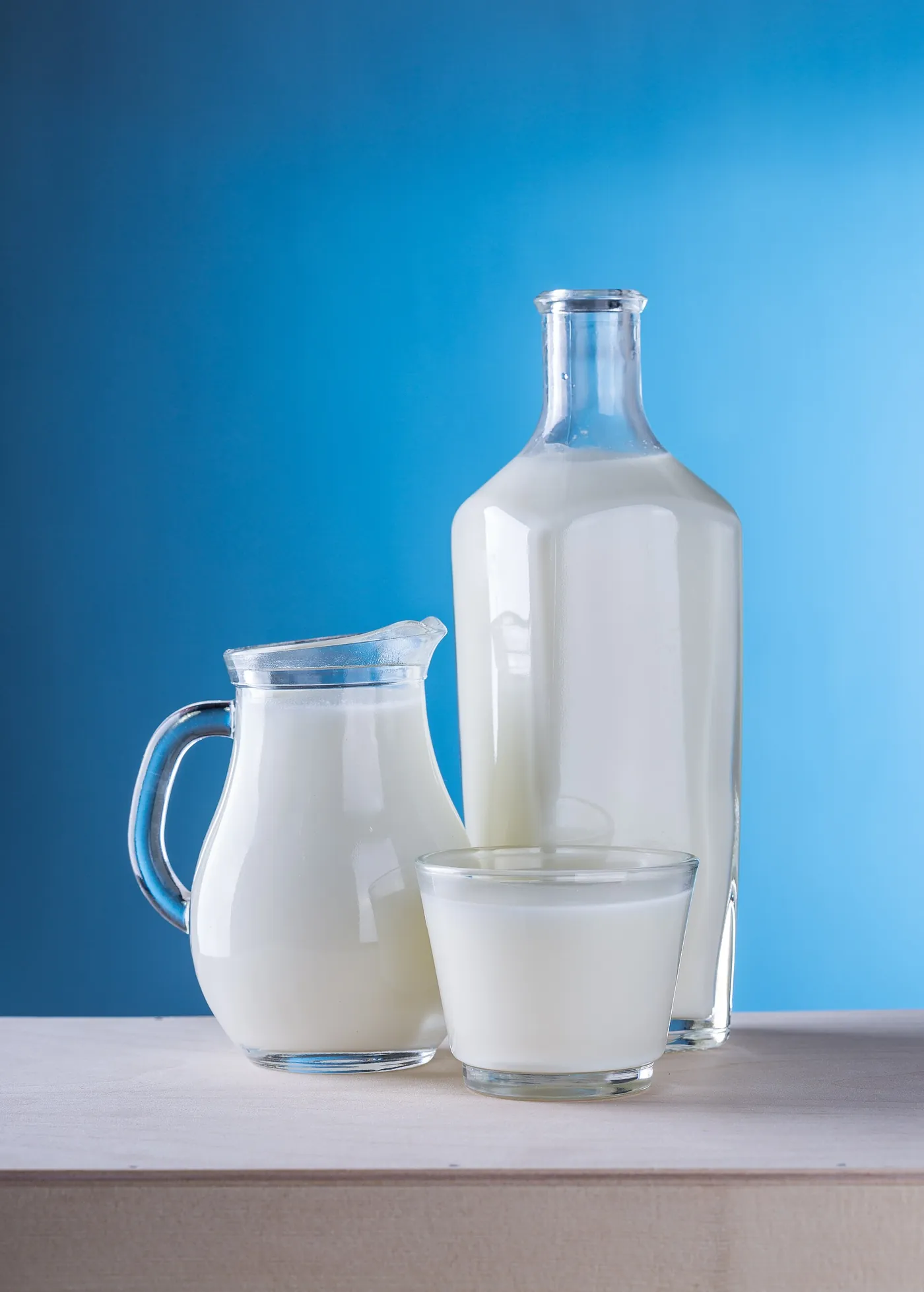
Calcium rich foods, with and without dairy.
The UK foods highest in calcium per 100g from government data, the best dairy free calcium sources, and how much calcium adults need a day.
7 November 2026 · 6 min read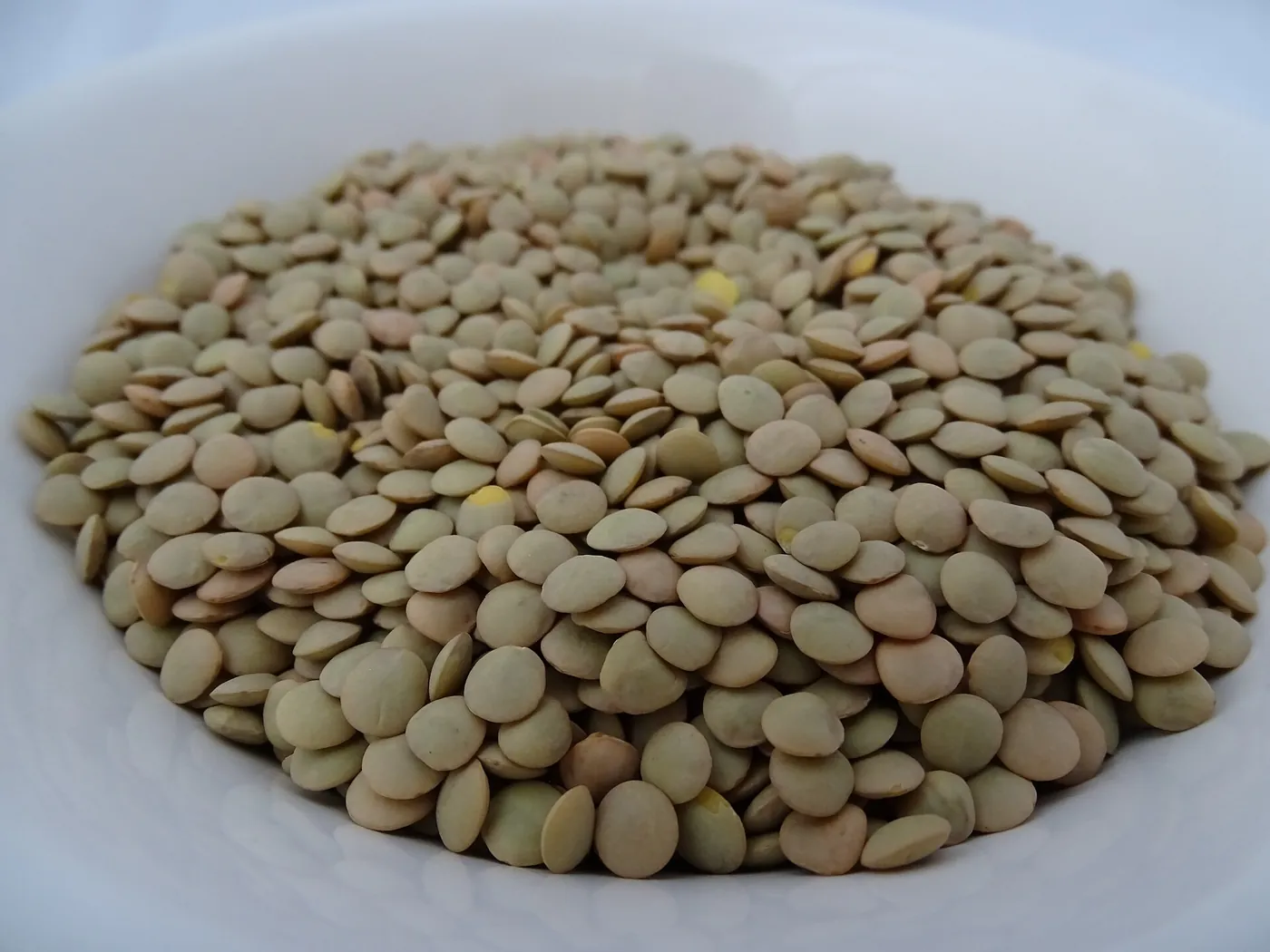
The foods highest in iron, per 100g.
The UK foods highest in iron per 100g from government data, the best iron rich foods for vegetarians, and how much iron adults need a day.
7 November 2026 · 6 min read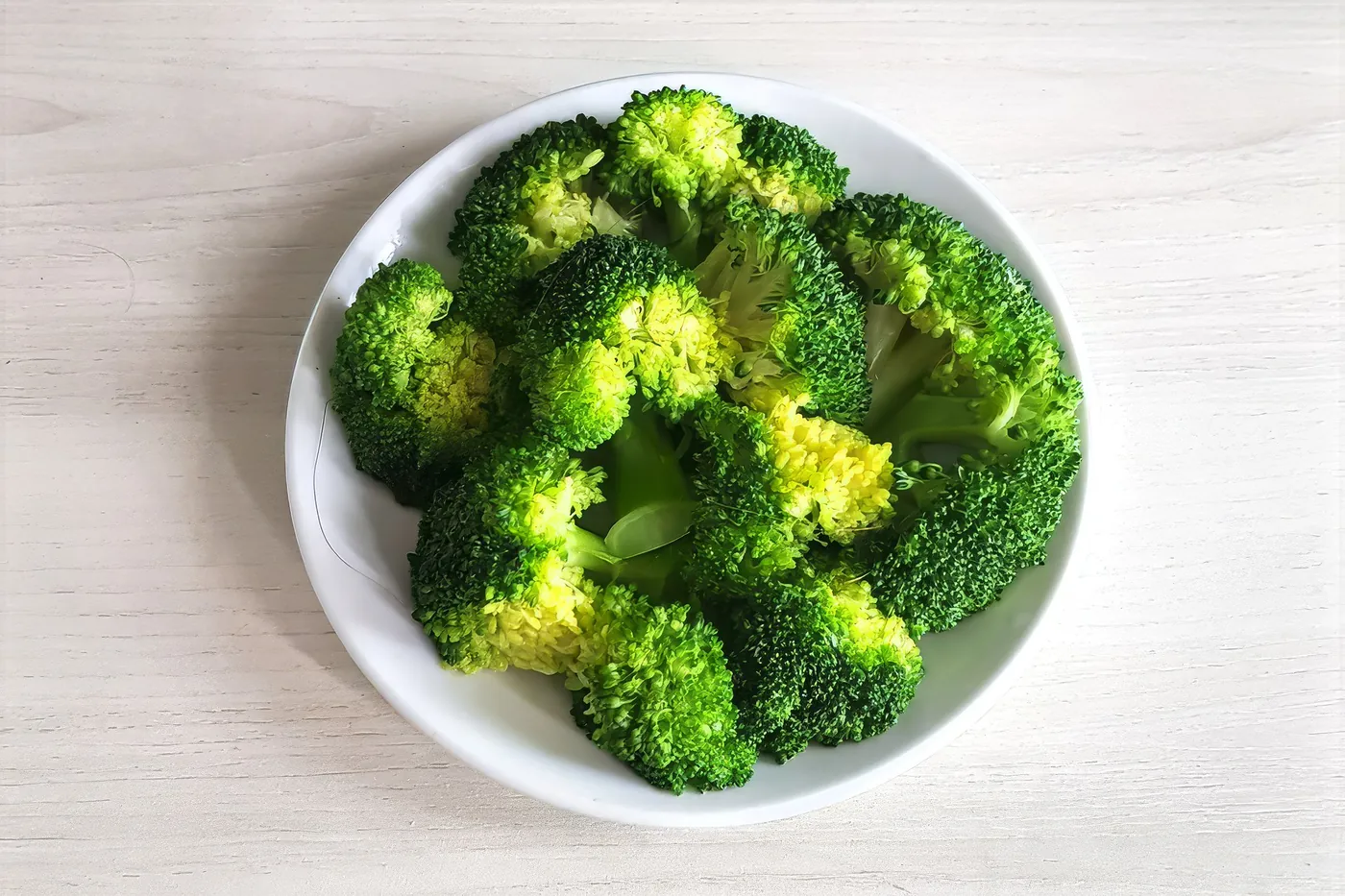
Vitamin K foods, and what vitamin K does.
The UK foods highest in vitamin K per 100g from government data, what vitamin K does, how much adults need, and what to know if you take warfarin.
7 November 2026 · 6 min read