
Vitamin K foods, and what vitamin K does.
Spring greens, kale, spinach, parsley and broccoli carry most of the vitamin K in the UK's food composition data. Here are the per-100g figures, the two things vitamin K is authorised to do, and a note for anyone taking warfarin.
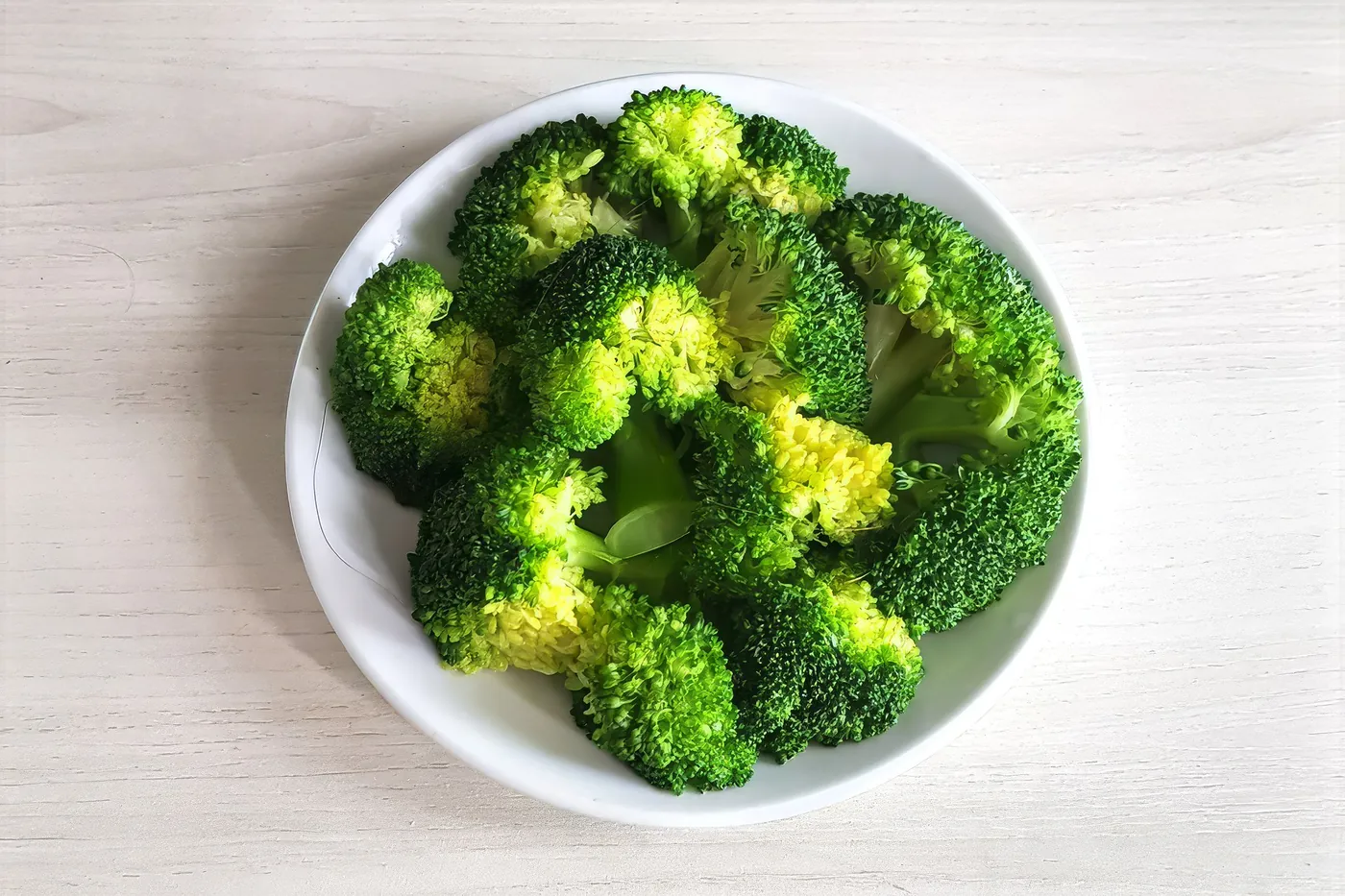
Quick answer. Vitamin K foods are mainly green leafy vegetables. In the UK government's food composition data (CoFID 2021), boiled spring greens have 893µg of vitamin K per 100g, raw curly kale 623µg, boiled spinach 575µg, fresh parsley 548µg and raw broccoli 185µg. Vitamin K contributes to normal blood clotting and to the maintenance of normal bones. The NHS says adults need about 1µg a day for each kilogram of body weight.
Which foods are high in vitamin K in the UK?
The NHS vitamin K page says it is found in green leafy vegetables such as broccoli and spinach, in vegetable oils and in cereal grains. It adds: "Small amounts can also be found in meat and dairy foods."
For the numbers, the source is the Composition of Foods Integrated Dataset (CoFID), the UK government's version of McCance and Widdowson's tables. CoFID gives vitamin K as K1, the form found in plants, and does not have a figure for every food. Every figure below is from its 2021 release, per 100g of the food as described.
| Food (as eaten) | Vitamin K per 100g | Share of the 75µg NRV |
|---|---|---|
| Spring greens, boiled | 893µg | 1,191% |
| Spinach, frozen, boiled | 840µg | 1,120% |
| Curly kale, raw | 623µg | 831% |
| Spinach, mature, boiled | 575µg | 767% |
| Parsley, fresh | 548µg | 731% |
| Spinach, mature, raw | 394µg | 525% |
| Watercress, raw | 315µg | 420% |
| Coriander leaves, fresh | 310µg | 413% |
| Green cabbage, raw | 242µg | 323% |
| Broccoli, raw | 185µg | 247% |
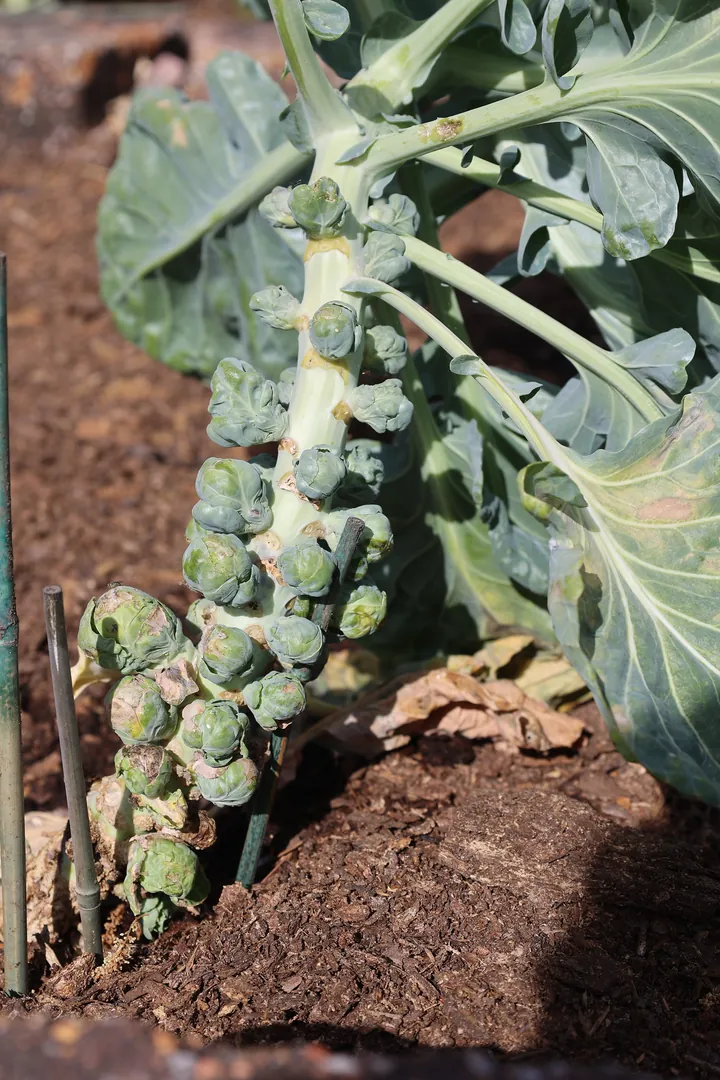
| Brussels sprouts, raw | 153µg | 204% |
| Lettuce, raw | 129µg | 172% |
| Peas, boiled | 39µg | 52% |
| Green beans, raw | 39µg | 52% |
| Cauliflower, raw | 31µg | 41% |
| Butter | 7.4µg | 10% |
| Cheddar | 4.7µg | 6% |
The right-hand column is calculated: each CoFID figure divided by the 75µg NRV used on food labels. The gap between leafy greens and everything else is large. Per 100g, raw kale has more than 100 times the vitamin K of Cheddar. More on vitamin K, and the foods that carry it, in our vitamin K guide. Linked foods in the table open their own page with the full per-100g figures.
What does vitamin K do?
Vitamin K has two authorised health claims in Great Britain, listed on the government's nutrition and health claims register. Each one uses set wording:
- Vitamin K contributes to normal blood clotting.
- Vitamin K contributes to the maintenance of normal bones.
Those two lines are the whole list. Any other benefit you read about vitamin K is not an authorised claim in Great Britain. Our explainer on what an authorised health claim is covers how that register works.
How much vitamin K do I need a day?
The NHS says "Adults need approximately 1 microgram a day of vitamin K for each kilogram of their body weight." Its own examples are 65µg a day for someone who weighs 65kg and 75µg for someone who weighs 75kg. Food labels use a single reference figure, the NRV, which is 75µg for vitamin K.
Daily intake matters less than with some vitamins. The NHS says vitamin K the body does not need straight away "is stored in the liver for future use, so you do not need it in your diet every day." It also says "You should be able to get all the vitamin K you need by eating a varied and balanced diet." For supplements, it says "Taking 1mg or less of vitamin K supplements a day is unlikely to cause any harm."
The figures in the table show why most people reach the daily amount without trying. Calculated from CoFID, a 50g portion of raw broccoli gives about 93µg, and a 50g handful of raw kale about 312µg.
Does cooking change vitamin K in vegetables?
The figures per 100g move in both directions. CoFID measures several greens raw and cooked:
- Mature spinach: 394µg raw, 575µg boiled.
- Green cabbage: 242µg raw, 201µg boiled.
- Broccoli: 185µg raw, 135µg boiled.
- Brussels sprouts: 153µg raw, 127µg boiled.
Spinach wilts and loses water when cooked, so 100g of cooked spinach is a much larger pile of leaves. Either way, cooked or raw, leafy greens stay the richest source by a wide margin.
Vitamin K and warfarin: what to know.
Warfarin is a prescription medicine, and vitamin K affects how it works. The NHS warfarin page says: "Foods high in vitamin K, such as broccoli, spinach and other green leafy vegetables, can affect how warfarin works. You can still eat these foods, but talk to your warfarin clinic for advice." It also tells people taking warfarin not to take vitamin K supplements, and says "Talk to your doctor before making any big changes to your diet when taking warfarin."
If you take warfarin, speak to your GP, pharmacist or warfarin clinic before changing how much leafy green food you eat, and before taking any food supplement that contains vitamin K.
Where Immufix fits.
Immufix is not a meaningful vitamin K source next to the foods above. One scoop (25g) in around 200ml of water, once a day, provides 10µg of vitamin K, which is 13% of the NRV. That is below the 15% needed before any claim can be made for vitamin K, so we make none. Because a scoop does contain vitamin K, anyone taking warfarin should speak to their GP or pharmacist before taking Immufix.
What a scoop does provide is 100mg of vitamin C, 125% of the NRV. Vitamin C contributes to the reduction of tiredness and fatigue and to normal energy-yielding metabolism. The full list of amounts is on the science page.
The short version.
- Per 100g, boiled spring greens (893µg), raw kale (623µg), boiled spinach (575µg) and fresh parsley (548µg) lead the UK data.
- Vitamin K contributes to normal blood clotting and to the maintenance of normal bones.
- The NHS says adults need about 1µg a day for each kilogram of body weight, and the body stores what it does not use.
- A varied diet with green vegetables covers it for most people.
- If you take warfarin, speak to your GP, pharmacist or warfarin clinic before changing your diet or taking a supplement with vitamin K.
Food supplements should not be used as a substitute for a varied, balanced diet and a healthy lifestyle. If you have a medical condition, are pregnant, breastfeeding or taking medication, speak to your GP or pharmacist before taking any food supplement.

Daily Immune Support
Vitamins, minerals and plant nutrients in one daily scoop. The formula Paula Radcliffe has taken every day since 1998.
4.8 out of 5 · 89 reviewsMonthly subscription. £52.00 is charged every month until you cancel. Minimum three payments, then cancel any time. Subscription terms
New here? 20% off your first order with code TRYIMMUFIX. Apply it
Dispatched the same day on weekday orders placed before 2pm.
Free standard UK delivery. Royal Mail 48 tracked, 2 to 3 working days. UK addresses only.
30‑day money-back guarantee. Try your first pouch of IMMUFIX for up to 30 days. If it’s not for you, we’ll refund your first qualifying pouch, less £10 shipping and handling. First purchase only. T&Cs apply.
Checkout completes securely on immufix.com
More from the journal.
Vitamin B12 foods, from liver to fortified cereal.
The UK foods highest in vitamin B12 per 100g from government data, the fortified foods vegans rely on, and how much adults need a day.
7 November 2026 · 6 min read
Calcium rich foods, with and without dairy.
The UK foods highest in calcium per 100g from government data, the best dairy free calcium sources, and how much calcium adults need a day.
7 November 2026 · 6 min read
What antioxidants are, in plain English.
What antioxidants are, what oxidative stress means in plain English, which nutrients hold the authorised claim, and the UK foods that provide them.
10 October 2026 · 7 min read