
What antioxidants are, in plain English.
Antioxidant is one of the most used words on food packaging and one of the least explained. Here is what it means, what oxidative stress is, and which nutrients and foods the evidence actually covers.
Quick answer. Antioxidants are substances that react with oxidants, such as free radicals, and stop them reacting with other molecules in the body. Oxidants are made during normal metabolism and also come from outside sources such as smoke and pollution. When oxidants outweigh antioxidants, scientists call it oxidative stress. In Great Britain, vitamin C, vitamin E, riboflavin, zinc and selenium each hold the authorised claim that they contribute to the protection of cells from oxidative stress. Antioxidant foods include fruit and vegetables, nuts and seeds, plant oils, eggs, dairy and fish.
What are antioxidants?
Every cell in the body uses oxygen to turn food into energy. That chemistry produces reactive molecules called oxidants, including free radicals. They are not simply harmful. A review in the International Journal of Biomedical Science (Pham-Huy and colleagues, 2008) says "Free radicals and oxidants play a dual role as both toxic and beneficial compounds". It explains that they come "either from normal cell metabolisms in situ or from external sources (pollution, cigarette smoke, radiation, medication)".
An antioxidant is a molecule that reacts with an oxidant and makes it stable, so it does not go on to react with something else, such as the fat in a cell wall. The same review adds a detail that is often left out: "When an antioxidant destroys a free radical, this antioxidant itself becomes oxidized." That is why the body needs a steady supply.
Antioxidants come from two places:
- Made by the body. Enzymes that the body builds itself. Helmut Sies writes in Redox Biology (2015) that "The major role in antioxidant defense is fulfilled by antioxidant enzymes, not by small-molecule antioxidant compounds."
- From food. Vitamins C and E, minerals such as zinc and selenium, and plant compounds such as carotenoids and flavonoids.
What is oxidative stress?
Sies gives the updated scientific definition: "An imbalance between oxidants and antioxidants in favor of the oxidants, leading to a disruption of redox signaling and control and/or molecular damage".
In plain English: the body is always making oxidants and always dealing with them. Most of the time the two sides are in balance. Oxidative stress is when the balance tips towards the oxidants, so that more of the cell's own material gets changed by oxidation than the body would normally allow.
That is what the authorised claim refers to. The GB nutrition and health claims register lists the health relationship behind it as "protection of DNA, proteins and lipids from oxidative damage". Lipids are fats. So "contributes to the protection of cells from oxidative stress" means the nutrient plays a part in the normal systems that keep the DNA, proteins and fats inside cells from being changed by oxidation. It describes a normal job in the body's cells, nothing more.
Which nutrients protect cells from oxidative stress?
Vitamin C, vitamin E, riboflavin, zinc and selenium all hold this claim in Great Britain. Each uses the same set wording:
- Vitamin C contributes to the protection of cells from oxidative stress.
- Vitamin E contributes to the protection of cells from oxidative stress.
- Riboflavin contributes to the protection of cells from oxidative stress.
- Zinc contributes to the protection of cells from oxidative stress.
- Selenium contributes to the protection of cells from oxidative stress.
They work in different ways. Vitamin C is "a water-soluble vitamin" and vitamin E "a fat-soluble vitamin with high antioxidant potency", in the words of the Pham-Huy review. Selenium, Sies notes, is "the redox-active moiety in selenoproteins": it sits at the working centre of a family of the body's own proteins. Riboflavin is vitamin B2 and zinc is a trace mineral.
| Nutrient | Good UK food sources, per 100g | Immufix per 25g scoop |
|---|---|---|
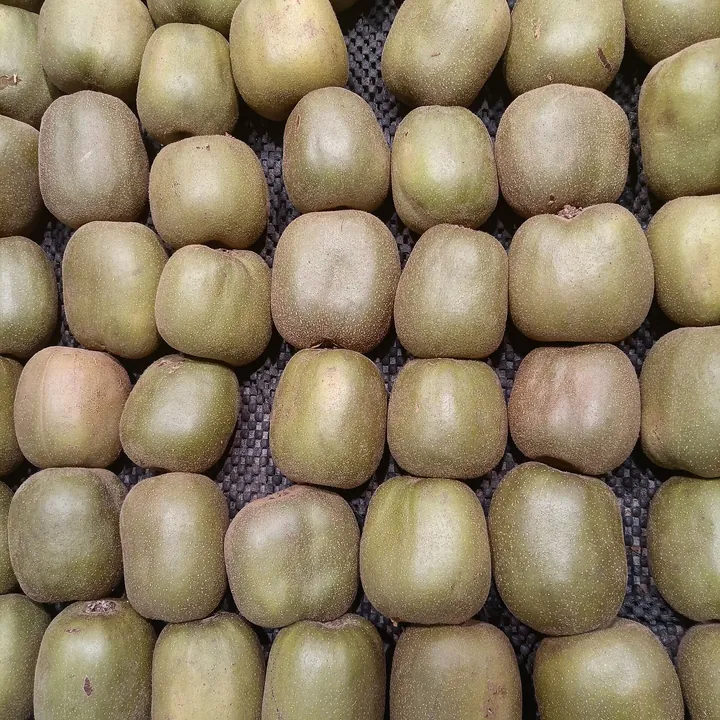
| Vitamin C | Blackcurrants 200mg, raw red pepper 126mg, kiwi 71mg | 100mg · 125% NRV |
| Vitamin E | Sunflower oil 49.2mg, sunflower seeds 37.8mg, almonds 25.6mg | 2.5mg · 21% NRV |
| Riboflavin | Flaked almonds 0.75mg, eggs 0.50mg, semi-skimmed milk 0.24mg | 0.35mg · 25% NRV |
| Zinc | Pumpkin seeds 6.6mg, Cheddar 4.1mg, beef mince 3.9mg | 3.75mg · 38% NRV |
| Selenium | Brazil nuts 254µg, tuna canned in brine 69µg, raw mussels 51µg | 75µg · 136% NRV |
Food figures are from the UK government's Composition of Foods Integrated Dataset (CoFID 2021). Immufix amounts are from its label. Our guides to vitamin E foods and selenium and Brazil nuts go into more detail.
What are antioxidant foods?
There is no official list, because nearly every whole food contains some antioxidants. The groups that carry the nutrients above are:
- Fruit and vegetables: berries, peppers, kiwi, citrus, broccoli and kale for vitamin C, plus carotenoids and flavonoids.
- Plant oils, nuts and seeds: the NHS lists plant oils such as rapeseed, sunflower, soya, corn and olive oil, nuts and seeds, and wheatgerm as good sources of vitamin E.
- Milk, eggs and mushrooms: riboflavin. CoFID gives 0.50mg per 100g for eggs and 0.27mg for raw white mushrooms.
- Fish, meat, eggs and Brazil nuts: selenium and zinc.
- Whole grains: CoFID gives wheatgerm 16.2mg of vitamin E per 100g.
Variety does more than any single food. The NHS explains the point behind 5 A Day: "different fruits and vegetables contain different combinations of fibre, vitamins, minerals and other nutrients." A portion of fruit or vegetables is 80g.
Do plant antioxidants like polyphenols have health claims?
Not in the way the five nutrients above do. Plant compounds such as flavonoids, carotenoids and other polyphenols are antioxidants in the chemical sense, and they are found in plant foods. But a chemical property is not the same as an authorised health claim. Counting the rows in the GB register's spreadsheet, more than 150 entries that mention antioxidants are marked non-authorised (calculated). That is why this article, and our own label, name the nutrient and use its set wording. Our guide to what an authorised health claim is explains how the register works.
Is more antioxidant always better?
No. The Pham-Huy review, which is broadly in favour of antioxidants, still concludes: "If possible, it is best to get the antioxidants from a diet rich in fruits and vegetables rather than from supplements." The NHS vitamin and mineral pages, such as its vitamin C page, set out where high supplement doses become a concern:
- Vitamin C: more than 1,000mg a day can cause stomach pain and diarrhoea.
- Vitamin E: 540mg or less a day from supplements is unlikely to cause any harm.
- Riboflavin: 40mg or less a day from supplements is unlikely to cause any harm.
- Zinc: do not take more than 25mg a day from supplements unless a doctor advises it.
- Selenium: 350µg or less a day from supplements is unlikely to cause any harm.
Add up what you take across every product. If you take medication or have a medical condition, check with your GP or pharmacist first.
Where Immufix fits.
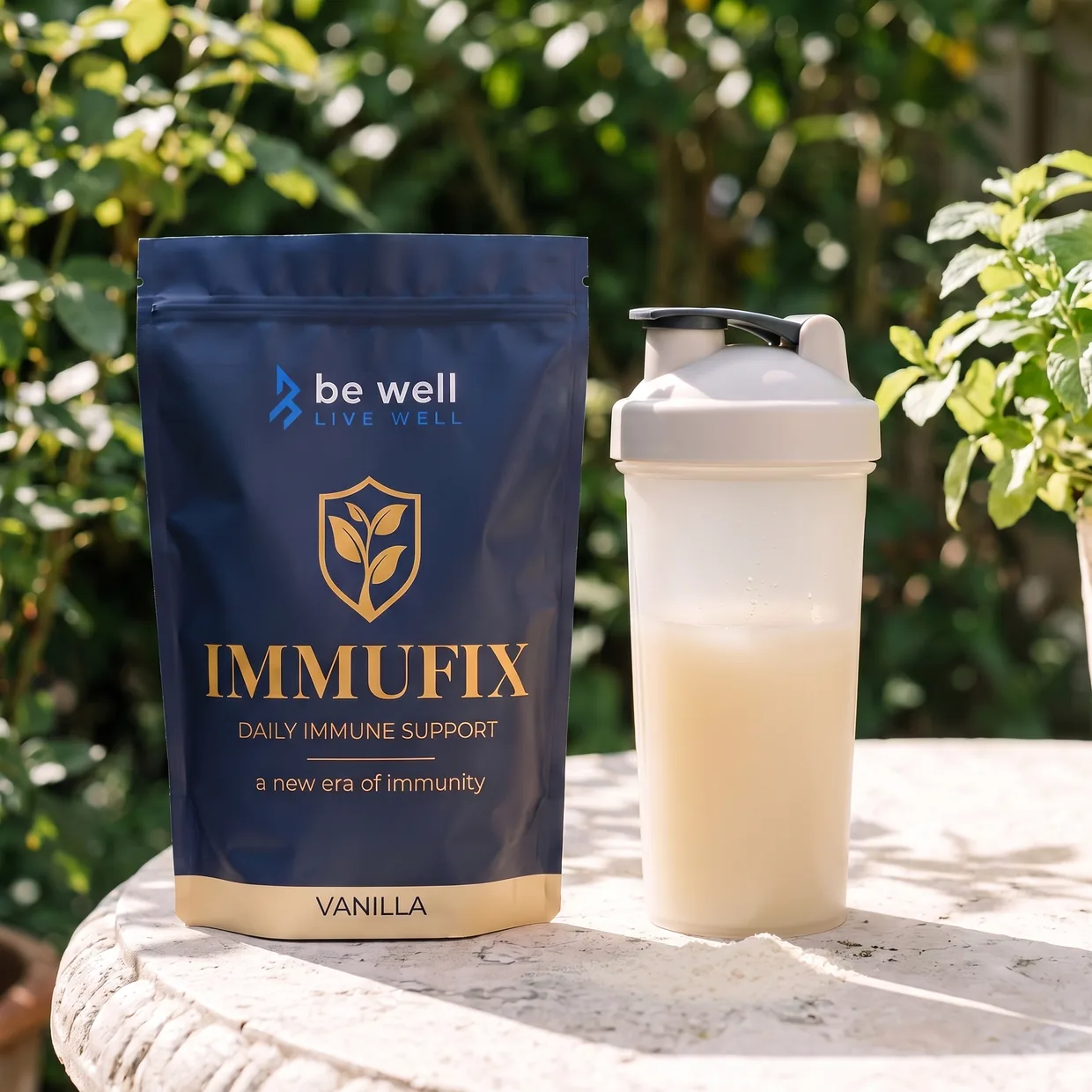
Food comes first, and a varied diet with plenty of fruit and vegetables covers most of what this article describes. Immufix is a daily food supplement for people who want a consistent base underneath their diet. One scoop (25g) in around 200ml of water, once a day, provides vitamin C (125% NRV), vitamin E (21%), riboflavin (25%), zinc (38%) and selenium (136%). Vitamin C, vitamin E, riboflavin, zinc and selenium contribute to the protection of cells from oxidative stress. Vitamin C, zinc and selenium also contribute to the normal function of the immune system. The full list of amounts is on the science page.
The short version.
- Antioxidants react with oxidants such as free radicals, which the body makes during normal metabolism.
- Oxidative stress is when oxidants outweigh antioxidants and the balance tips.
- Vitamin C, vitamin E, riboflavin, zinc and selenium contribute to the protection of cells from oxidative stress.
- Good sources include peppers, berries, plant oils, nuts and seeds, eggs, milk, fish and Brazil nuts.
- Food first. Plant compounds such as polyphenols are antioxidants too, but carry no authorised claims.
Food supplements should not be used as a substitute for a varied, balanced diet and a healthy lifestyle. If you have a medical condition, are pregnant, breastfeeding or taking medication, speak to your GP or pharmacist before taking any food supplement.

Daily Immune Support
Vitamins, minerals and plant nutrients in one daily scoop. The formula Paula Radcliffe has taken every day since 1998.
4.8 out of 5 · 89 reviewsDispatched the same day on weekday orders placed before 2pm.
Free standard UK delivery. Royal Mail 48 tracked, 2 to 3 working days. UK addresses only.
30‑day money-back guarantee. Try your first pouch of IMMUFIX for up to 30 days. If it’s not for you, we’ll refund your first qualifying pouch, less £10 shipping and handling. First purchase only. T&Cs apply.
Checkout completes securely on immufix.com
More from the journal.
Biotin, what it does and where it is.
Biotin (vitamin B7) foods per 100g from UK government data, what the NHS says about biotin, its authorised claims and the NHS 0.9mg supplement guide.
10 October 2026 · 5 min read
What chromium is, and where you find it.
What chromium is, which foods contain it, how much the NHS says adults need, and the one authorised health claim chromium holds in Great Britain.
10 October 2026 · 6 min readFolate and folic acid, side by side.
Folate is the form of vitamin B9 found in food, folic acid is the manmade form. UK food sources per 100g, the NHS daily amount and its 1mg supplement guide.
10 October 2026 · 7 min read