
Biotin, what it does and where it is.
Biotin is the B vitamin most often linked with hair, and the least often explained. Here is what the NHS actually says about it, the UK foods that contain the most, and what its authorised claims mean.
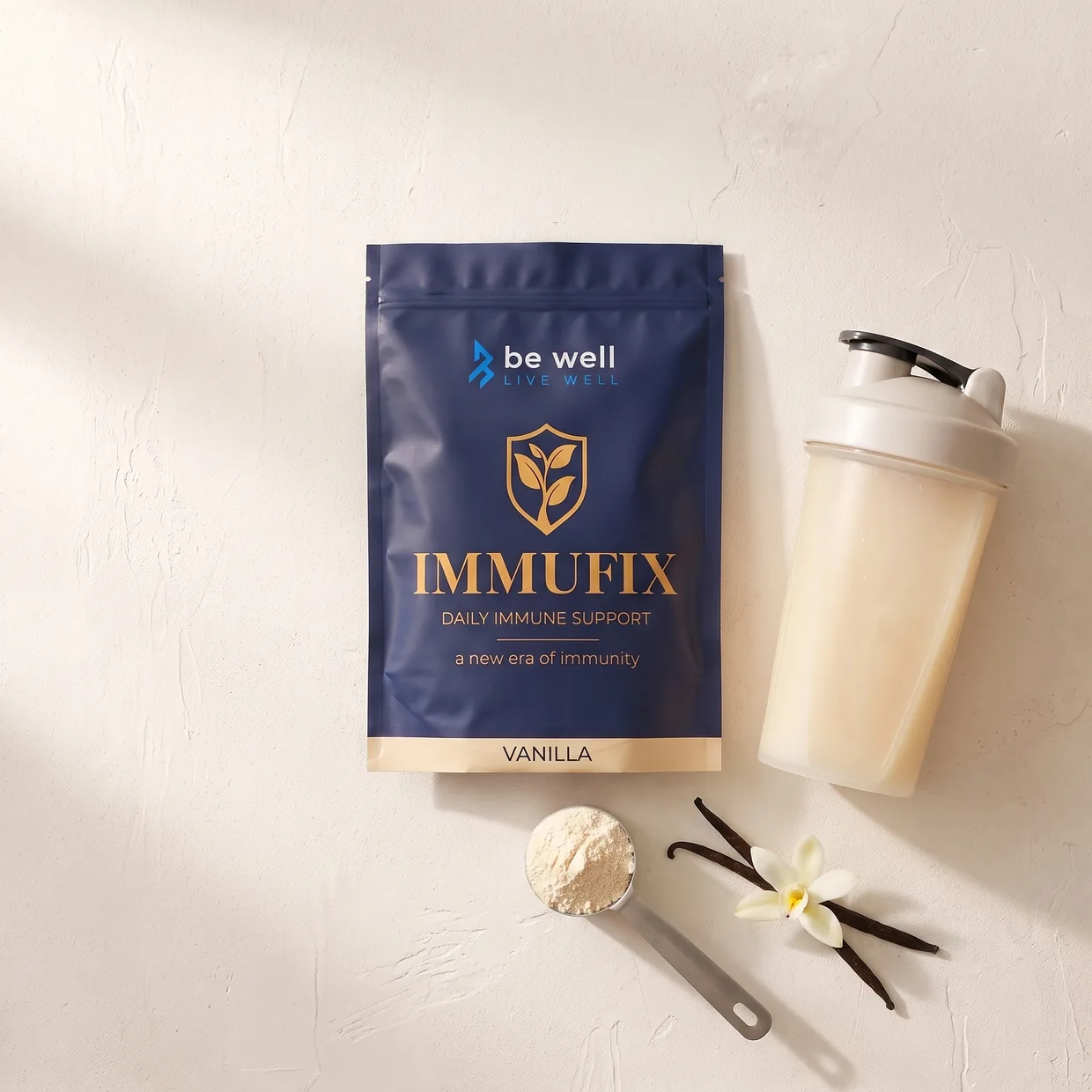
Quick answer. Biotin is vitamin B7. The NHS says it is "needed in very small amounts to help the body make fatty acids" and is found in a wide range of foods, but only at low levels. In the UK government's food composition data (CoFID 2021), good sources per 100g include fried chicken liver (216µg), smooth peanut butter (94µg), hazelnuts (76µg), plain peanuts (72µg), almonds (64µg) and boiled eggs (16.7µg). Biotin contributes to normal energy-yielding metabolism, normal psychological function and the maintenance of normal hair and normal skin.
Which foods contain biotin?
The NHS page on B vitamins and folic acid does not give a list of biotin foods. It says "Biotin is also found in a wide range of foods, but only at very low levels." Low here means micrograms: a microgram is a thousandth of a milligram.
For the amounts, the source is the government's Composition of Foods Integrated Dataset (CoFID), the official version of McCance and Widdowson's tables. Every figure below is from its 2021 release, per 100g of the food as described.
| Food (as eaten) | Biotin per 100g | Share of the 50µg NRV |
|---|---|---|
| Chicken liver, fried | 216µg | 432% |
| Peanut butter, smooth | 94µg | 188% |
| Hazelnuts | 76µg | 152% |
| Peanuts, plain, unsalted | 72µg | 144% |
| Almonds, whole | 64µg | 128% |
| Egg yolk, boiled | 50µg | 100% |
| Plaice, baked | 41.6µg | 83% |
| Wheatgerm | 23.4µg | 47% |
| Porridge oats, dry | 19µg | 38% |
| Walnuts | 19µg | 38% |
| Eggs, whole, boiled | 16.7µg | 33% |
| White mushrooms, raw | 11.7µg | 23% |
| Wholemeal bread | 6.3µg | 13% |
| Cheddar cheese | 4.4µg | 9% |
| Semi-skimmed milk | 3.0µg | 6% |
The right-hand column is calculated: each CoFID figure divided by 50µg, the nutrient reference value (NRV) used on UK labels. The NHS does not set a daily amount for biotin, so the NRV is the only common yardstick.
Two patterns stand out. Nuts and peanuts are the richest everyday sources, and most of the biotin in an egg is in the yolk. Liver is the richest of all, but it is also very high in vitamin A, and the NHS advises not eating liver or liver products more than once a week. Our vitamin A guide covers that line in full.
What does biotin do?
The NHS describes biotin's job in one line: it "is needed in very small amounts to help the body make fatty acids." It also notes that "The bacteria that live naturally in your bowel are able to make biotin, so it's not clear if you need any additional biotin from the diet."
In Great Britain, what a food or supplement may say about biotin is set by law. The government's nutrition and health claims register lists the authorised wording. Four of the claims for biotin are:
- Biotin contributes to normal energy-yielding metabolism.
- Biotin contributes to normal psychological function.
- Biotin contributes to the maintenance of normal hair.
- Biotin contributes to the maintenance of normal skin.
Biotin does not hold the claim for the reduction of tiredness and fatigue. Its energy claim is about metabolism, the process of releasing energy from food. Our guide to which B vitamins help with tiredness explains the difference.
What does the biotin hair claim mean?
The wording is "the maintenance of normal hair". It is a claim about keeping normal hair normal, and that is all it says. It is not a claim that biotin makes hair grow faster, longer or thicker, and no such claim is authorised. The same goes for skin: biotin contributes to the maintenance of normal skin, and nothing more is claimed.
If you have a concern about your hair or skin, a GP or pharmacist is the right person to ask.

How much biotin do you need?
There is no NHS daily figure for biotin, and it does not appear in the government's dietary recommendations table. The NHS advice is simple: "You should be able to get all the biotin you need by eating a varied and balanced diet."
The figure you will see on labels is the NRV of 50µg, set in Annex XIII of the food information regulation. It is a labelling reference for adults, not a personal target. Our guide to what NRV means explains how the percentages are worked out.
Can you take too much biotin?
The NHS says "There's not enough evidence to know what the effects might be of taking high daily doses of biotin supplements." Its guide figure is that "Taking 0.9mg or less a day of biotin in supplements is unlikely to cause any harm." That is 900µg.
There is a second, practical point. The medicines regulator, the MHRA, has warned that "Biotin may interfere with thyroid immunoassays and the risk of interference increases with higher doses of biotin." If you are having a blood test, tell the person arranging it about any supplements you take.
Where Immufix fits.
Most people get enough biotin from food. Immufix is a daily food supplement for people who want a consistent base underneath their diet. One scoop (25g) in around 200ml of water, once a day, provides 37µg of biotin, which is 74% of the NRV and about 4% of the NHS 0.9mg supplement figure (calculated). Biotin contributes to normal energy-yielding metabolism and to the maintenance of normal hair and normal skin. The full list of amounts is on the science page.
The short version.
- Biotin is vitamin B7. The NHS says it is found in a wide range of foods, but only at very low levels.
- Per 100g, liver, peanut butter, hazelnuts, peanuts, almonds and egg yolk lead the UK data.
- Biotin contributes to normal energy-yielding metabolism, normal psychological function and the maintenance of normal hair and skin. No hair growth claim is authorised.
- There is no NHS daily amount. The label NRV is 50µg, and the NHS says 0.9mg or less a day from supplements is unlikely to cause any harm.
- Tell whoever arranges a blood test that you take biotin.
Food supplements should not be used as a substitute for a varied, balanced diet and a healthy lifestyle. If you have a medical condition, are pregnant, breastfeeding or taking medication, speak to your GP or pharmacist before taking any food supplement.

Daily Immune Support
Vitamins, minerals and plant nutrients in one daily scoop. The formula Paula Radcliffe has taken every day since 1998.
4.8 out of 5 · 89 reviewsDispatched the same day on weekday orders placed before 2pm.
Free standard UK delivery. Royal Mail 48 tracked, 2 to 3 working days. UK addresses only.
30‑day money-back guarantee. Try your first pouch of IMMUFIX for up to 30 days. If it’s not for you, we’ll refund your first qualifying pouch, less £10 shipping and handling. First purchase only. T&Cs apply.
Checkout completes securely on immufix.com
More from the journal.
What antioxidants are, in plain English.
What antioxidants are, what oxidative stress means in plain English, which nutrients hold the authorised claim, and the UK foods that provide them.
10 October 2026 · 7 min read
What chromium is, and where you find it.
What chromium is, which foods contain it, how much the NHS says adults need, and the one authorised health claim chromium holds in Great Britain.
10 October 2026 · 6 min readFolate and folic acid, side by side.
Folate is the form of vitamin B9 found in food, folic acid is the manmade form. UK food sources per 100g, the NHS daily amount and its 1mg supplement guide.
10 October 2026 · 7 min read