
Folate and folic acid, side by side.
Folate and folic acid are two forms of the same B vitamin. One is in your greens and beans, the other is made to be added to food and supplements, and UK guidance handles them a little differently.
Quick answer. Folate is vitamin B9 as it occurs naturally in food, and folic acid is the manmade form used in supplements and fortified foods. The NHS says adults need 200 micrograms (µg) of folate a day and lists broccoli, Brussels sprouts, leafy greens, peas, chickpeas, kidney beans and fortified breakfast cereals as good sources. In the UK government's food composition data (CoFID 2021), boiled Brussels sprouts have 124µg per 100g and boiled baby spinach 135µg. The NHS says taking 1mg or less of folic acid a day from supplements is unlikely to cause any harm.
Folate vs folic acid: what is the difference?
They are the same vitamin in two forms. The NHS page on B vitamins and folic acid puts it simply: "Folate is a B vitamin found in many foods. The manmade form of folate is called folic acid." It adds that folate "is also known as folacin and vitamin B9."
- Folate is what you eat in vegetables, pulses, liver and many other foods.
- Folic acid is the form made for supplements and for adding to food. The government's bread and flour guidance describes it as "the synthetic form of folate used to fortify foods."
Labels reflect the split. On a supplement, the vitamin is usually listed as folic acid, and its % NRV is worked out against the 200µg reference value for folic acid in Annex XIII of the food information regulation. The authorised health claims, on the other hand, are written for folate. Folic acid is one of the forms of folate a food or supplement can provide, so the claims apply to it.
Which foods are high in folate in the UK?
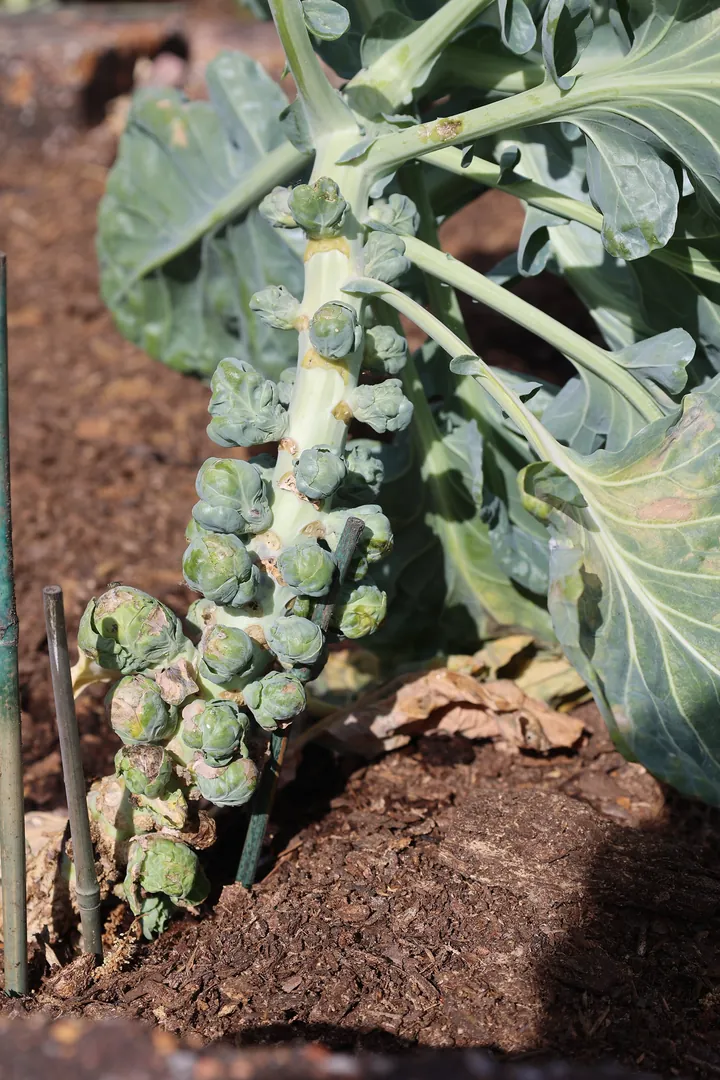
The NHS says "Folate is found in small amounts in many foods" and names broccoli, Brussels sprouts, leafy green vegetables such as cabbage, kale, spring greens and spinach, peas, chickpeas and kidney beans, and breakfast cereals fortified with folic acid as good sources.
For the numbers, the source is the government's Composition of Foods Integrated Dataset (CoFID), the official version of McCance and Widdowson's tables. Every figure below is from its 2021 release, per 100g of the food as described.
| Food (as eaten) | Folate per 100g | Share of the NHS 200µg a day |
|---|---|---|
| Bran flakes, fortified | 367µg | 184% |
| Wheat biscuits (Weetabix type), fortified | 170µg | 85% |
| Lentils, green or brown, boiled | 152µg | 76% |
| Purple sprouting broccoli, boiled | 140µg | 70% |
| Baby spinach, boiled | 135µg | 68% |
| Brussels sprouts, boiled | 124µg | 62% |
| Curly kale, boiled | 97µg | 49% |
| Green broccoli, steamed | 72µg | 36% |
| Spring greens, boiled | 66µg | 33% |
| Red kidney beans, canned, drained | 45µg | 23% |
| Green cabbage, boiled | 40µg | 20% |
| Chickpeas, canned, drained | 35µg | 18% |
| Oranges, flesh | 33µg | 17% |
| Peas, frozen, boiled | 31µg | 16% |
The right-hand column is calculated: each CoFID figure divided by the 200µg adults need each day. Yeast extract is far higher per 100g, at 2,620µg, but it is spread thinly and eaten by the gram. Lentils are not on the NHS list but sit near the top of the CoFID figures.
The cereal rows show what fortification does. CoFID lists Weetabix-type wheat biscuits at 170µg per 100g when fortified and 36µg when unfortified. The packet's ingredients list tells you which kind you have.
Does cooking reduce folate?
Yes, and the method matters. CoFID measures several vegetables both raw and cooked:
- Green broccoli: 95µg raw, 72µg steamed, 34µg boiled.
- Spinach (mature leaves): 114µg raw, 81µg boiled.
- Curly kale: 120µg raw, 97µg boiled.
- Brussels sprouts: 135µg raw, 124µg boiled.
- Frozen peas: 50µg before cooking, 60µg microwaved, 31µg boiled.
Boiling lost the most in every pair. Steaming or microwaving greens, and cooking them briefly, keeps more on the plate.
How much folate do adults need?
The NHS says "Adults need 200 micrograms of folate a day." The same 200µg appears for men and women aged 19 and over in the government's dietary recommendations.
Folate is not something the body holds in reserve. The NHS says "There are no long-term stores in the body, so you need to eat folate-containing foods frequently," and that "Most people should be able to get the amount of folate they need by eating a varied and balanced diet."
If you are pregnant or trying for a baby, the NHS sets out separate folic acid advice on its pregnancy vitamins and supplements page.
Is folic acid added to bread and flour in the UK?
From 13 December 2026, yes. The government's bread and flour guidance lists folic acid among the nutrients that must be added to non-wholemeal common wheat flour milled in or imported into the UK, at 0.250mg (250µg) per 100g of flour. It says folic acid "must be added at 0.25mg, regardless of the natural level of folate in the flour."
Wholemeal flour is not covered by that rule. Added nutrients have to appear in the ingredients list, so bread and other products made with fortified flour will show folic acid there.
Can you have too much folic acid?
The NHS gives a clear figure for supplements: "Taking 1mg or less a day of folic acid supplements is unlikely to cause any harm." It also explains that doses above 1mg can make a low vitamin B12 status harder to spot, which matters most for older people. That caution is about folic acid from supplements, not folate from vegetables and pulses.
If you take more than one product, add up the folic acid in each. For context, 1mg is 1,000µg, twenty times the 50µg in a scoop of Immufix (calculated).
What does folate do?
Folate holds several authorised health claims in Great Britain, listed in the government's nutrition and health claims register. Three of them, in their set wording:
- Folate contributes to the reduction of tiredness and fatigue.
- Folate contributes to normal psychological function.
- Folate contributes to the normal function of the immune system.
Folate sits alongside riboflavin, niacin, pantothenic acid and vitamin B6 among the B vitamins that hold the tiredness claim. Our guide to which B vitamins help with tiredness goes through them one by one.
Where Immufix fits.
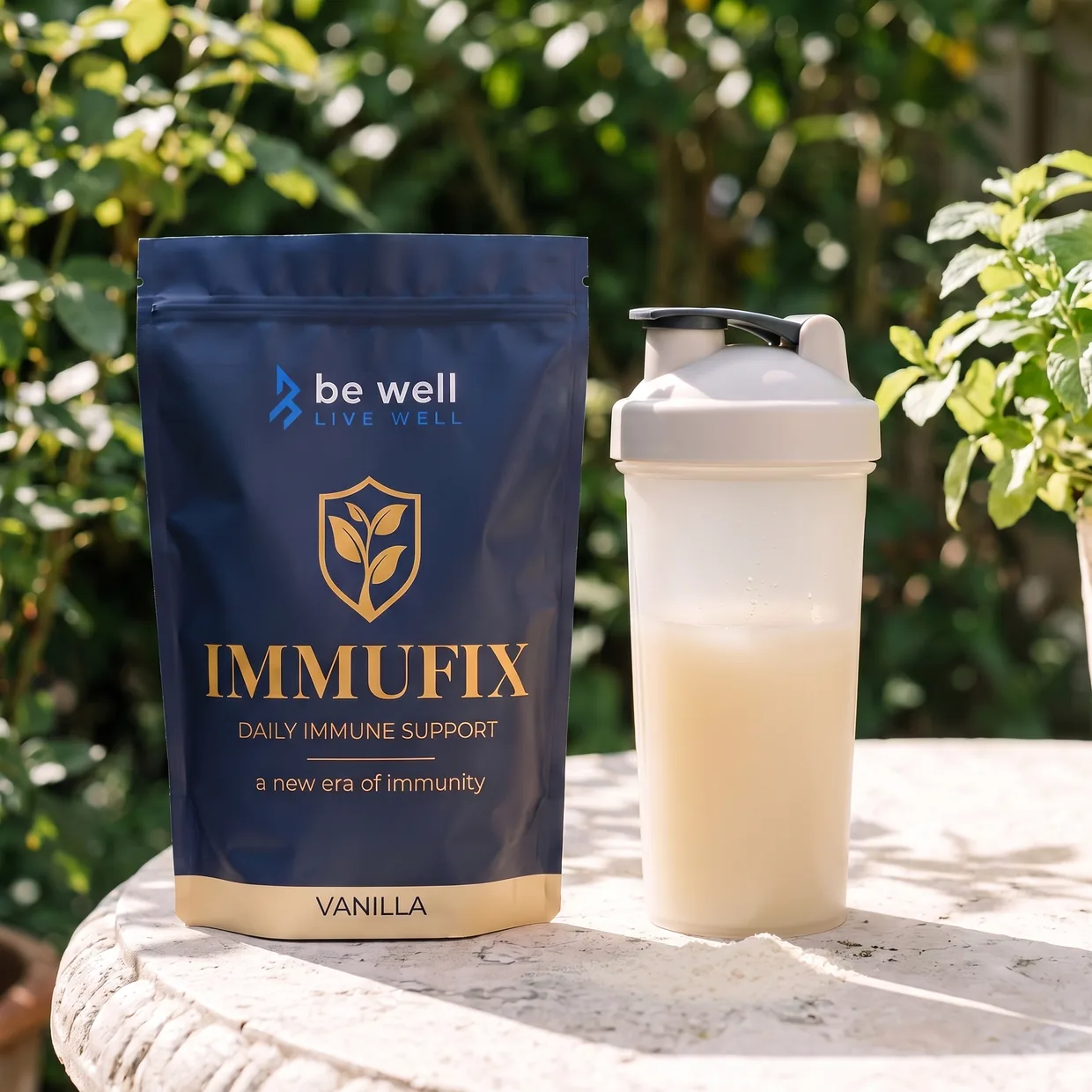
Food comes first, and a plate of greens or a bowl of lentils goes a long way towards 200µg. Immufix is a daily food supplement for people who want a consistent base underneath their diet. One scoop (25g) in around 200ml of water, once a day, provides 50µg of folic acid, which is 25% of the NRV. Folate contributes to the reduction of tiredness and fatigue and to the normal function of the immune system. The full list of amounts is on the science page, and our guide to what NRV means explains the percentages.
The short version.
- Folate is vitamin B9 as found in food. Folic acid is the manmade form used in supplements and fortified foods.
- The NHS says adults need 200µg of folate a day, and the body has no long-term store of it.
- Per 100g, fortified cereals, lentils, spinach, Brussels sprouts and kale lead the UK data. Boiling greens loses the most.
- From 13 December 2026, non-wholemeal wheat flour in the UK must contain added folic acid.
- The NHS says 1mg or less of folic acid a day from supplements is unlikely to cause any harm.
Food supplements should not be used as a substitute for a varied, balanced diet and a healthy lifestyle. If you have a medical condition, are pregnant, breastfeeding or taking medication, speak to your GP or pharmacist before taking any food supplement.

Daily Immune Support
Vitamins, minerals and plant nutrients in one daily scoop. The formula Paula Radcliffe has taken every day since 1998.
4.8 out of 5 · 89 reviewsDispatched the same day on weekday orders placed before 2pm.
Free standard UK delivery. Royal Mail 48 tracked, 2 to 3 working days. UK addresses only.
30‑day money-back guarantee. Try your first pouch of IMMUFIX for up to 30 days. If it’s not for you, we’ll refund your first qualifying pouch, less £10 shipping and handling. First purchase only. T&Cs apply.
Checkout completes securely on immufix.com
More from the journal.
What antioxidants are, in plain English.
What antioxidants are, what oxidative stress means in plain English, which nutrients hold the authorised claim, and the UK foods that provide them.
10 October 2026 · 7 min read
Biotin, what it does and where it is.
Biotin (vitamin B7) foods per 100g from UK government data, what the NHS says about biotin, its authorised claims and the NHS 0.9mg supplement guide.
10 October 2026 · 5 min read
What chromium is, and where you find it.
What chromium is, which foods contain it, how much the NHS says adults need, and the one authorised health claim chromium holds in Great Britain.
10 October 2026 · 6 min read