
Vitamin E, from the oil bottle up.
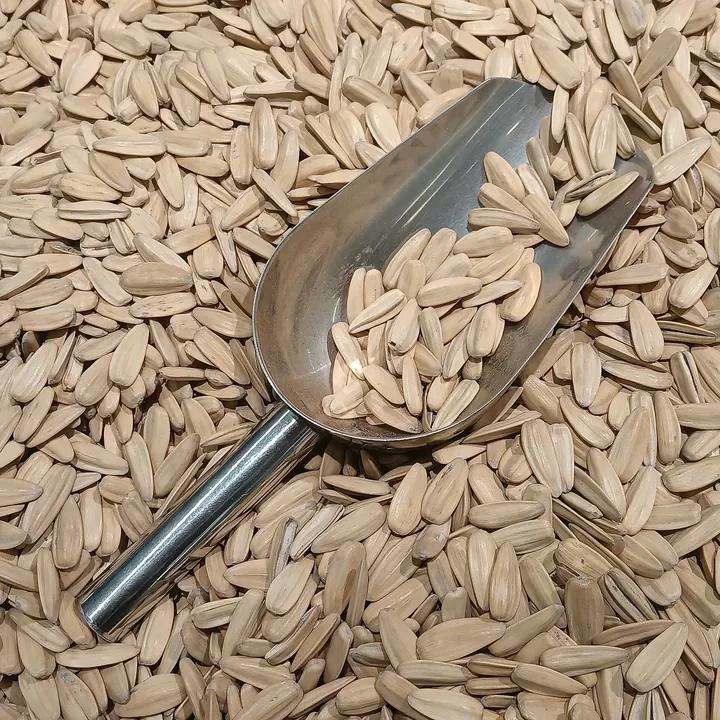
Most of the vitamin E in a UK diet comes from plant oils, nuts and seeds. The amounts adults need are small: on the government's own figures, 10g of sunflower oil carries more than the 4mg a day the NHS gives for men.
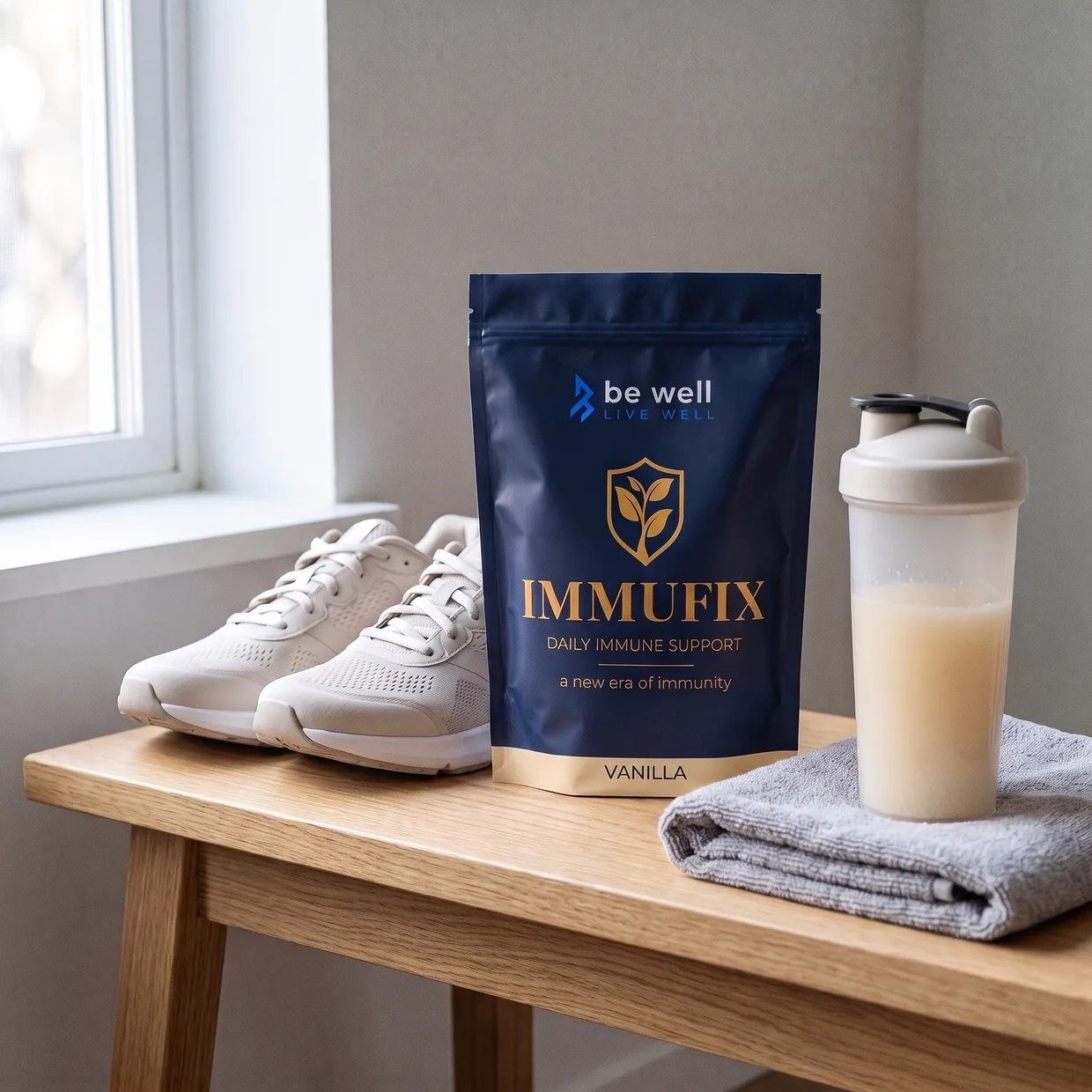
Quick answer. The NHS names plant oils (rapeseed, sunflower, soya, corn and olive oil), nuts and seeds, and wheatgerm as good sources of vitamin E. In the UK government's food composition data (CoFID 2021), sunflower oil has 49.2mg per 100g, sunflower seeds 37.8mg, almonds 25.6mg, hazelnuts 25.0mg and rapeseed oil 22.2mg. The NHS says men need 4mg a day and women 3mg. Vitamin E contributes to the protection of cells from oxidative stress.
Which foods are high in vitamin E?
The NHS page on vitamin E says "Vitamin E is a group of compounds found in a wide variety of foods." The good sources it lists are plant oils such as rapeseed (sold as vegetable oil), sunflower, soya, corn and olive oil, nuts and seeds, and wheatgerm, which is found in cereals and cereal products.
For the numbers, the source is the government's Composition of Foods Integrated Dataset (CoFID), the official version of McCance and Widdowson's tables. It expresses vitamin E as alpha-tocopherol equivalents, a single figure that accounts for the different forms. Every figure below is from its 2021 release.
| Food | Vitamin E per 100g | Vitamin E per 10g |
|---|---|---|
| Sunflower oil | 49.2mg | 4.9mg |
| Sunflower seeds | 37.8mg | 3.8mg |
| Almonds, whole | 25.6mg | 2.6mg |
| Hazelnuts | 25.0mg | 2.5mg |
| Rapeseed oil (vegetable oil) | 22.2mg | 2.2mg |
| Corn oil | 17.2mg | 1.7mg |
| Wheatgerm | 16.2mg | 1.6mg |
| Soya oil | 16.1mg | 1.6mg |
| Pine nuts | 13.9mg | 1.4mg |
| Peanuts, plain, unsalted | 10.1mg | 1.0mg |
| Brazil nuts | 7.2mg | 0.7mg |
| Olive oil | 5.1mg | 0.5mg |
| Peanut butter, smooth | 5.0mg | 0.5mg |
The right-hand column is calculated: one tenth of each CoFID figure. Oils, nuts and seeds are eaten in small amounts, so 10g is a more realistic portion to compare than 100g.
Olive oil is on the NHS list, but per 100g it carries about a quarter of the vitamin E in rapeseed oil and a tenth of the vitamin E in sunflower oil (calculated). Wheatgerm oil is the richest food in the dataset, at 136.7mg per 100g, but few kitchens keep it.
Other foods that add up.
Vitamin E is not only in oils and nuts. CoFID gives these figures per 100g:
- Salmon, farmed, baked: 3.7mg.
- Blackberries, raw: 2.4mg.
- Avocado (Hass): 2.2mg.
- Kiwi fruit: 2.2mg.
- Spinach, boiled: 1.7mg.
- Eggs, boiled: 1.6mg.
- Sweet potato, baked: 1.4mg.
Fat spreads and mayonnaise, which are made from plant oils, also carry vitamin E. CoFID lists standard shop-bought mayonnaise at 22.1mg per 100g.
Easy ways to eat more of it.
- Choose the oil. Rapeseed or sunflower oil for cooking and dressings carries far more vitamin E than the same amount of olive oil.
- Add seeds. A sprinkle of sunflower seeds on porridge, yoghurt or salad.
- Keep nuts to hand. Almonds and hazelnuts lead the nut figures. Plain, unsalted ones keep the salt down.
- Use wheatgerm. A spoonful stirred into cereal adds vitamin E with very little effort.
What does vitamin E do?
In Great Britain, what a food or supplement may say about vitamin E is set by law. The government's nutrition and health claims register lists one authorised health claim for it:
- Vitamin E contributes to the protection of cells from oxidative stress.
Vitamin E is one of several nutrients that hold this claim. Vitamin C, riboflavin, zinc and selenium hold it too. Our guides to vitamin C foods and selenium foods cover two of them.
How much vitamin E do you need a day?
The NHS says "The amount of vitamin E you need is" 4mg a day for men and 3mg a day for women. It adds: "You should be able to get all the vitamin E you need from your diet."
Like vitamin A, vitamin E is stored. The NHS says "Any vitamin E your body does not need immediately is stored for future use, so you do not need it in your diet every day."
On a label you will see a different number. The nutrient reference value (NRV) for vitamin E is 12mg, set in Annex XIII of the food information regulation. It is a single labelling yardstick, not a personal target. Our guide to what NRV means explains why the two figures differ.
Can you have too much vitamin E?
The NHS says "There is not enough evidence to know what the effects might be of taking high doses of vitamin E supplements each day." Its advice is: "If you take vitamin E supplements, do not take too much as this could be harmful." And it gives a figure: "Taking 540mg (800 IU) or less a day of vitamin E supplements is unlikely to cause any harm."
That figure is for supplements. If you take more than one, add up the vitamin E in each. The 2.5mg in a scoop of Immufix is under 1% of 540mg (calculated).
Where Immufix fits.
Most people get enough vitamin E from the oils, nuts and seeds they already eat. Immufix is a daily food supplement for people who want a consistent base underneath their diet. One scoop (25g) in around 200ml of water, once a day, provides 2.5mg of vitamin E, which is 21% of the NRV. Vitamin E contributes to the protection of cells from oxidative stress. The full list of amounts is on the science page.
The short version.
- The NHS lists plant oils, nuts and seeds, and wheatgerm as good sources of vitamin E.
- Per 100g, sunflower oil (49.2mg), sunflower seeds (37.8mg), almonds (25.6mg), hazelnuts (25.0mg) and rapeseed oil (22.2mg) lead the UK data.
- The NHS says men need 4mg a day and women 3mg, and the body stores what it does not use.
- Vitamin E contributes to the protection of cells from oxidative stress.
- The NHS says 540mg or less a day from supplements is unlikely to cause any harm.
Food supplements should not be used as a substitute for a varied, balanced diet and a healthy lifestyle. If you have a medical condition, are pregnant, breastfeeding or taking medication, speak to your GP or pharmacist before taking any food supplement.

Daily Immune Support
Vitamins, minerals and plant nutrients in one daily scoop. The formula Paula Radcliffe has taken every day since 1998.
4.8 out of 5 · 89 reviewsDispatched the same day on weekday orders placed before 2pm.
Free standard UK delivery. Royal Mail 48 tracked, 2 to 3 working days. UK addresses only.
30‑day money-back guarantee. Try your first pouch of IMMUFIX for up to 30 days. If it’s not for you, we’ll refund your first qualifying pouch, less £10 shipping and handling. First purchase only. T&Cs apply.
Checkout completes securely on immufix.com
More from the journal.
What antioxidants are, in plain English.
What antioxidants are, what oxidative stress means in plain English, which nutrients hold the authorised claim, and the UK foods that provide them.
10 October 2026 · 7 min read
Biotin, what it does and where it is.
Biotin (vitamin B7) foods per 100g from UK government data, what the NHS says about biotin, its authorised claims and the NHS 0.9mg supplement guide.
10 October 2026 · 5 min read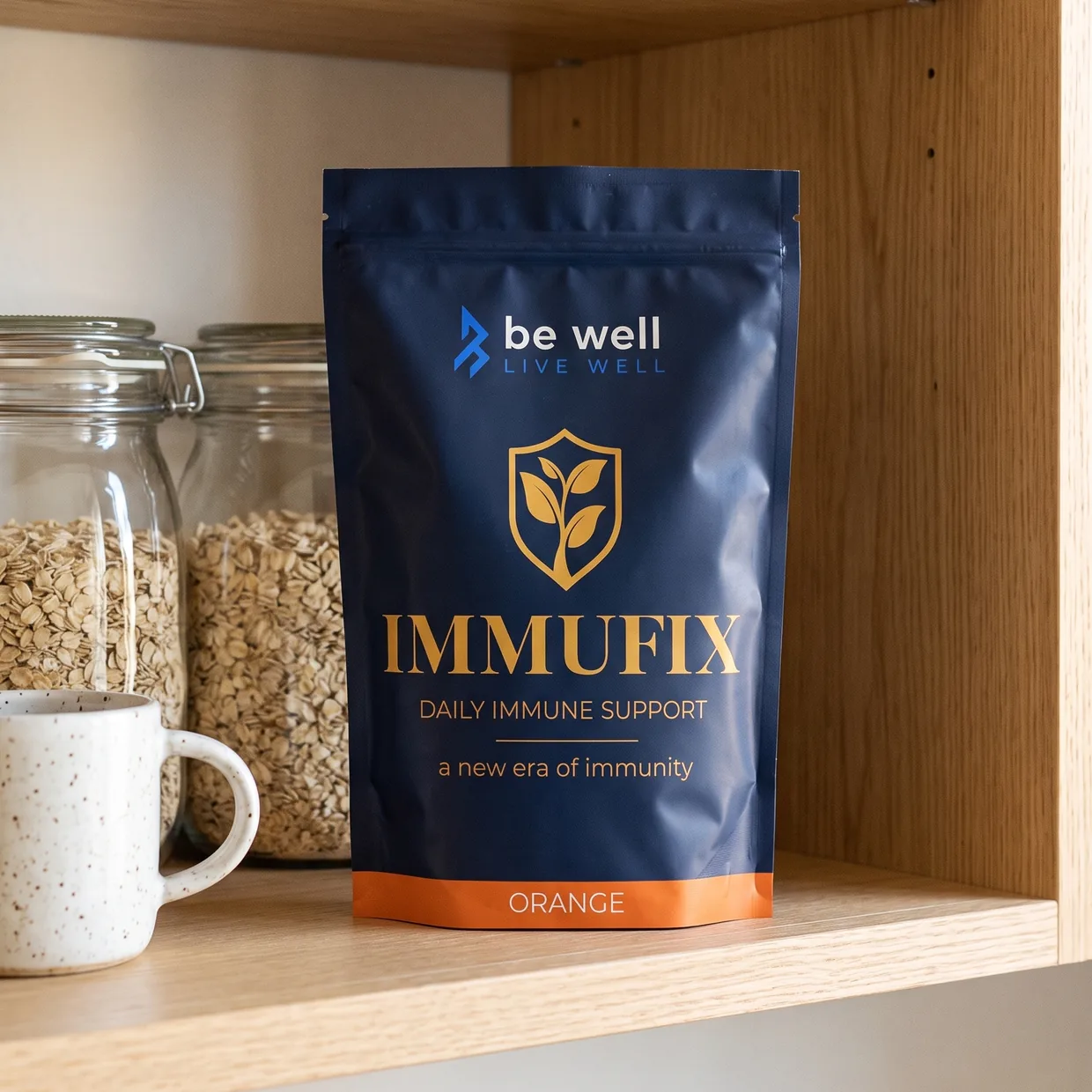
What chromium is, and where you find it.
What chromium is, which foods contain it, how much the NHS says adults need, and the one authorised health claim chromium holds in Great Britain.
10 October 2026 · 6 min read