
The foods highest in iron, per 100g.
Shellfish, fortified cereals, seeds and pulses sit at the top of the UK's food composition data for iron. Here are the per-100g figures, the best choices for vegetarians and how to get more from each meal.
Quick answer. In the UK government's food composition data (CoFID 2021), the foods highest in iron per 100g include boiled cockles (28mg), fortified bran flakes (13.5mg), black pudding (12.3mg), tahini (10.6mg) and pumpkin seeds (10mg). The best iron rich foods for vegetarians are fortified breakfast cereals, seeds, nuts, dried fruit, tofu, beans and lentils. The NHS says women aged 19 to 49 need 14.8mg of iron a day, and men and women aged 50 and over need 8.7mg.
Which foods are highest in iron in the UK?
The NHS iron page lists the main sources: "liver (but avoid this during pregnancy)", red meat, beans, nuts, dried fruit, fortified breakfast cereals and soy bean flour. Liver is also very high in vitamin A, and the NHS says eating liver or liver pâté more than once a week may give you too much of it. Our guide to vitamin A foods has the figures.
For the numbers, the source is the Composition of Foods Integrated Dataset (CoFID), the UK government's version of McCance and Widdowson's tables. Every figure below is from its 2021 release, per 100g of the food as described.
| Food (as eaten) | Iron per 100g | Share of 8.7mg (men) | Share of 14.8mg (women 19 to 49) |
|---|---|---|---|
| Cockles, boiled | 28mg | 322% | 189% |
| Bran flakes, fortified | 13.5mg | 155% | 91% |
| Black pudding, dry-fried | 12.3mg | 141% | 83% |
| Cornflakes, fortified | 11.8mg | 136% | 80% |
| Chicken liver, fried | 11.3mg | 130% | 76% |
| Tahini paste | 10.6mg | 122% | 72% |
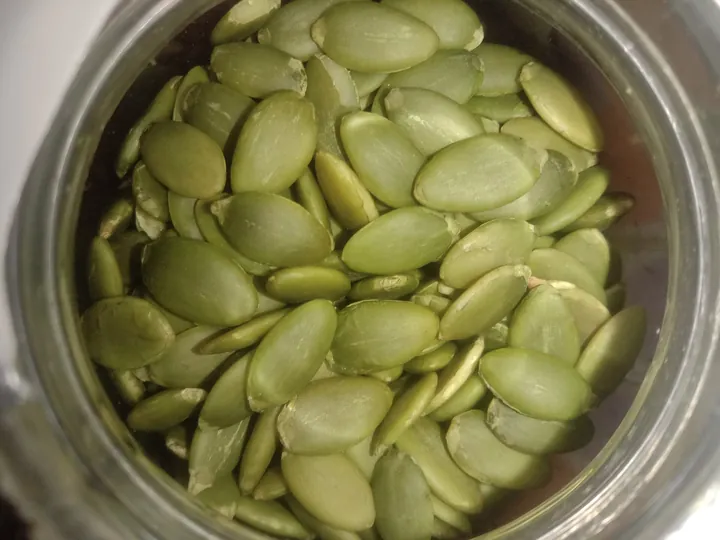
| Pumpkin seeds | 10mg | 115% | 68% |
| Cashew nuts | 6.2mg | 71% | 42% |
| Dried figs | 4.2mg | 48% | 28% |
| Dried apricots | 4.1mg | 47% | 28% |
| Almonds | 3.7mg | 43% | 25% |
| Beef rump steak, grilled, lean | 3.6mg | 41% | 24% |
| Porridge oats, unfortified | 3.6mg | 41% | 24% |
| Tofu, steamed then fried | 3.5mg | 40% | 24% |
| Mussels, cooked | 3.3mg | 38% | 22% |
| Edamame beans, boiled | 2.7mg | 31% | 18% |
| Beef mince, stewed | 2.7mg | 31% | 18% |
| Wholemeal bread | 2.4mg | 28% | 16% |
| Red kidney beans, canned | 2.3mg | 26% | 16% |
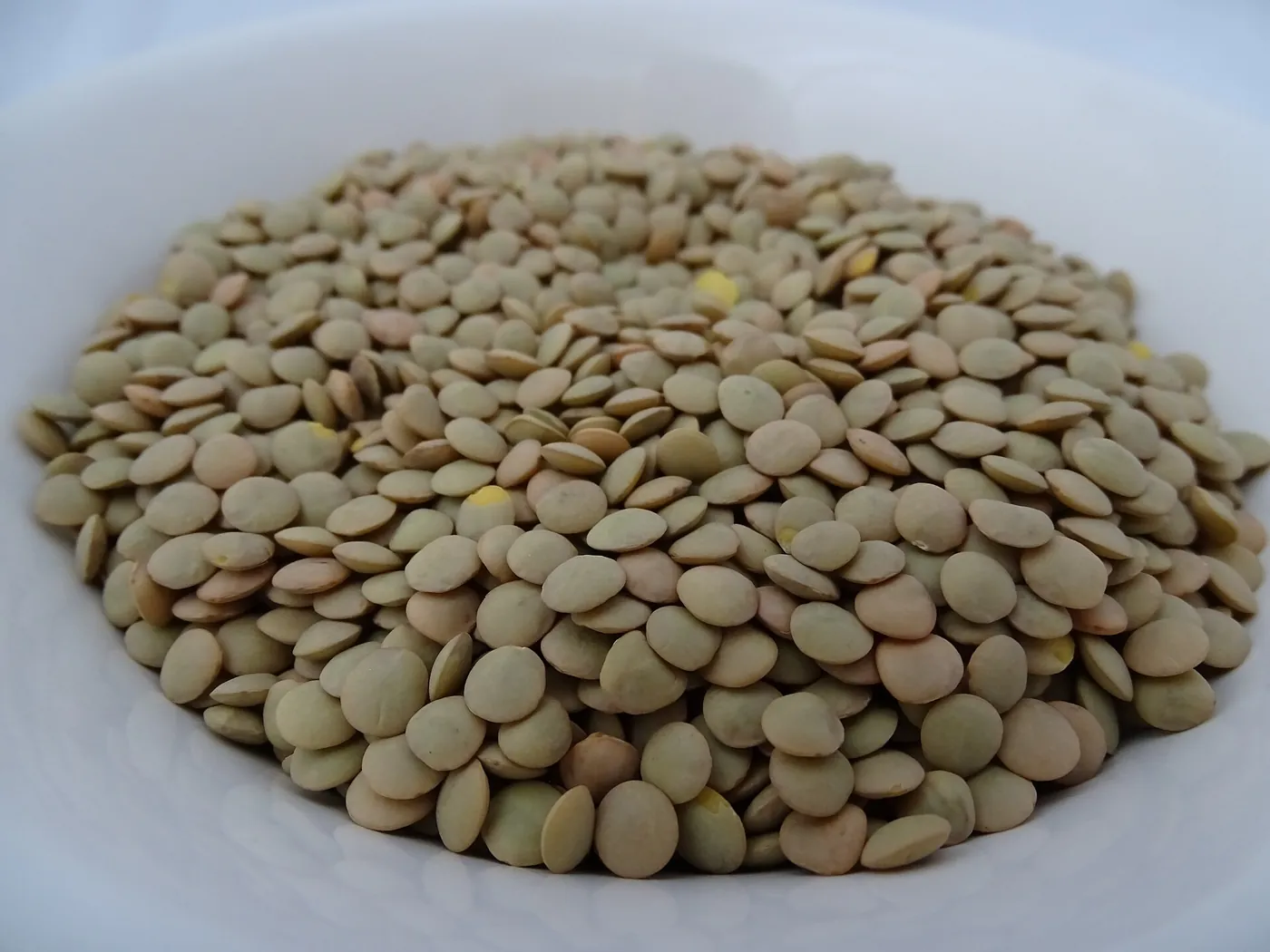
| Green or brown lentils, boiled | 2.1mg | 24% | 14% |
| Spinach, raw | 2.1mg | 24% | 14% |
| Eggs, boiled | 2.0mg | 23% | 14% |
| Chickpeas, canned | 1.9mg | 22% | 13% |
The two right-hand columns are calculated: each CoFID figure divided by the daily amounts the NHS gives for adults. Fortified cereals vary by brand, so check the label on the box you buy. More on iron, and the foods that carry it, in our iron guide. Linked foods in the table open their own page with the full per-100g figures.
What are the best iron rich foods for vegetarians?
Most of the top of the table is meat free. For vegetarians and vegans, the strongest everyday options in CoFID are:
- Fortified breakfast cereals: bran flakes at 13.5mg and cornflakes at 11.8mg per 100g.
- Seeds: tahini at 10.6mg and pumpkin seeds at 10mg. A spoonful on porridge or salad adds up.
- Nuts and dried fruit: cashews at 6.2mg, dried figs at 4.2mg and dried apricots at 4.1mg.
- Soya: tofu that has been steamed then fried at 3.5mg, and boiled edamame beans at 2.7mg.
- Beans and lentils: canned kidney beans at 2.3mg, boiled lentils at 2.1mg and canned chickpeas at 1.9mg.
- Eggs and bread: boiled eggs at 2.0mg and wholemeal bread at 2.4mg, for vegetarians who eat eggs.
Bread helps more than people expect. The British Dietetic Association notes that "All bread sold in the UK, other than wholemeal, must be fortified (with iron, calcium, thiamine and niacin)."
Is the iron in meat different from the iron in plants?
Yes. Iron in animal foods is called haem iron, and iron in plant foods is called non-haem iron. The BDA says "Red meats (beef, lamb and pork) and offal are rich sources of iron, and the iron they contain is well absorbed."
Plant iron is harder for the body to take up, and what you eat with it matters. The BDA explains that phytates in bran-containing cereals, and tannins in tea and coffee, make iron more difficult to absorb, while vitamin C foods eaten at the same meal help. Its advice for plant foods is plain: "You should eat foods containing vitamin C with meals, such as salad or juice, and avoid drinking tea during or after main meals."
In practice that means simple pairings. Peppers or tomatoes with a bean chilli. A glass of orange juice with fortified cereal. Tea between meals, not with them. Our article on vitamin C and iron absorption goes through this in more detail, and our guide to vitamin C foods has the figures for the other half of the plate.
If you eat meat, the NHS also notes that the Department of Health and Social Care advises limiting red and processed meat, so fish, shellfish, eggs, pulses and fortified foods are worth keeping in the mix.
How much iron do I need a day?
The NHS gives three figures for adults: 8.7mg a day for men aged 19 and over, 14.8mg a day for women aged 19 to 49, and 8.7mg a day for women aged 50 and over. The same figures appear in the UK Government Dietary Recommendations. Food labels use a single reference figure, the NRV, which is 14mg for iron.
The NHS says "You should be able to get all the iron you need from your daily diet." It also says "Taking 17mg or less a day of iron supplements is unlikely to cause any harm." If you have questions about your own iron intake, speak to your GP or pharmacist.
Our guide to how much iron you need a day sets out the figures for children and teenagers too.
What does iron do?
Iron has authorised health claims in Great Britain, listed on the government's nutrition and health claims register. Each one uses set wording:
- Iron contributes to normal formation of red blood cells and haemoglobin.
- Iron contributes to normal oxygen transport in the body.
- Iron contributes to normal energy-yielding metabolism.
- Iron contributes to normal cognitive function.
- Iron contributes to the reduction of tiredness and fatigue.
Where Immufix fits.
Immufix is not an iron source, and the foods above are where iron should come from. One scoop (25g) in around 200ml of water, once a day, provides 1.25mg of iron, which is 9% of the NRV. That is below the 15% needed before any claim can be made for iron, so we make none.
What a scoop does provide is 100mg of vitamin C, 125% of the NRV. Vitamin C increases iron absorption, and vitamin C contributes to the reduction of tiredness and fatigue. The full list of amounts is on the science page.
The short version.
- Per 100g, cockles (28mg), fortified bran flakes (13.5mg), black pudding (12.3mg), tahini (10.6mg) and pumpkin seeds (10mg) lead the UK data.
- Vegetarians can rely on fortified cereals, seeds, nuts, dried fruit, tofu, beans, lentils and eggs.
- Plant iron is harder to absorb. Eat vitamin C foods at the same meal and keep tea away from mealtimes.
- The NHS says women aged 19 to 49 need 14.8mg a day, and men and women over 50 need 8.7mg.
- Most people can get enough iron from a varied diet.
Food supplements should not be used as a substitute for a varied, balanced diet and a healthy lifestyle. If you have a medical condition, are pregnant, breastfeeding or taking medication, speak to your GP or pharmacist before taking any food supplement.

Daily Immune Support
Vitamins, minerals and plant nutrients in one daily scoop. The formula Paula Radcliffe has taken every day since 1998.
4.8 out of 5 · 89 reviewsMonthly subscription. £52.00 is charged every month until you cancel. Minimum three payments, then cancel any time. Subscription terms
New here? 20% off your first order with code TRYIMMUFIX. Apply it
Dispatched the same day on weekday orders placed before 2pm.
Free standard UK delivery. Royal Mail 48 tracked, 2 to 3 working days. UK addresses only.
30‑day money-back guarantee. Try your first pouch of IMMUFIX for up to 30 days. If it’s not for you, we’ll refund your first qualifying pouch, less £10 shipping and handling. First purchase only. T&Cs apply.
Checkout completes securely on immufix.com
More from the journal.
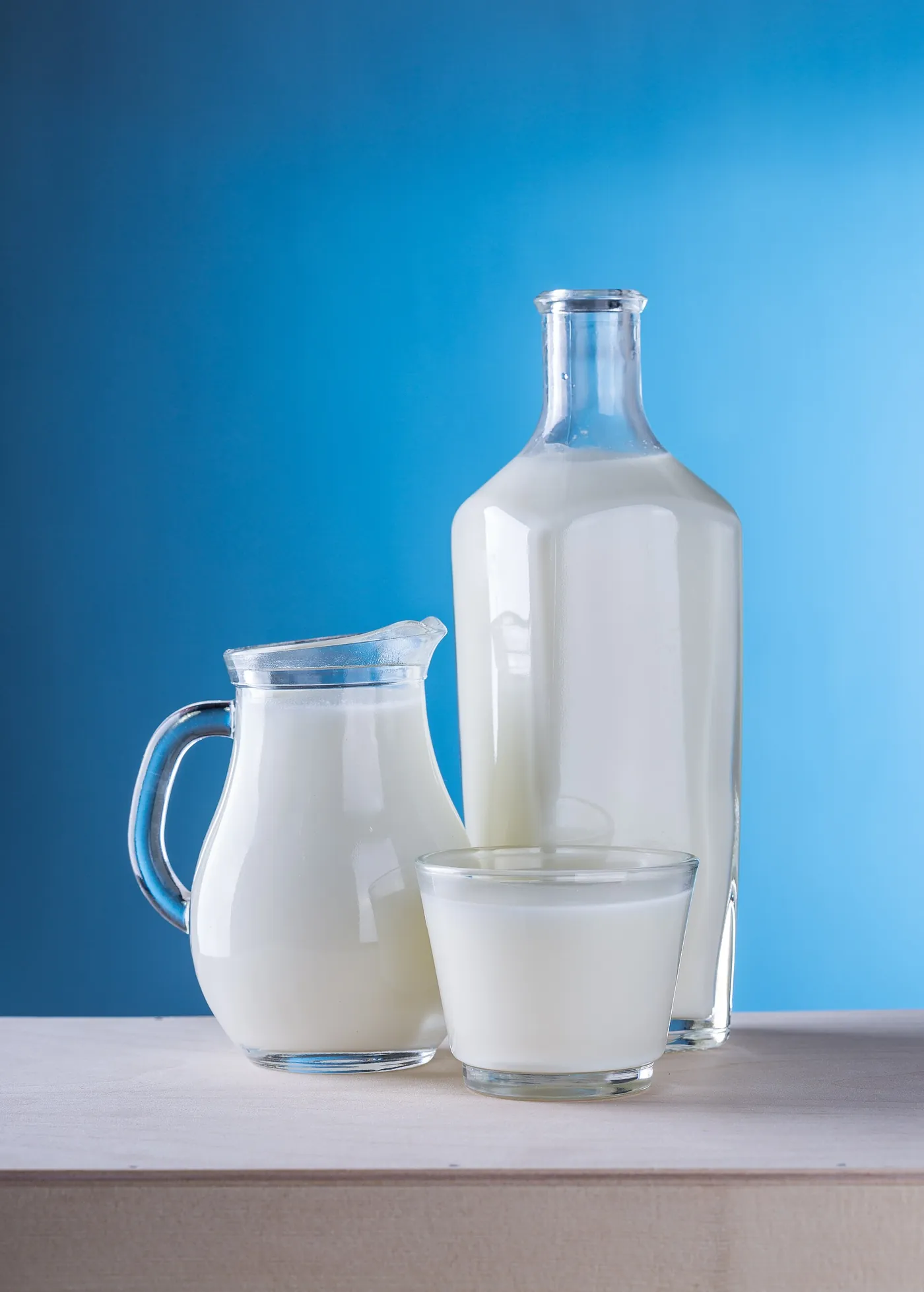
Calcium rich foods, with and without dairy.
The UK foods highest in calcium per 100g from government data, the best dairy free calcium sources, and how much calcium adults need a day.
7 November 2026 · 6 min read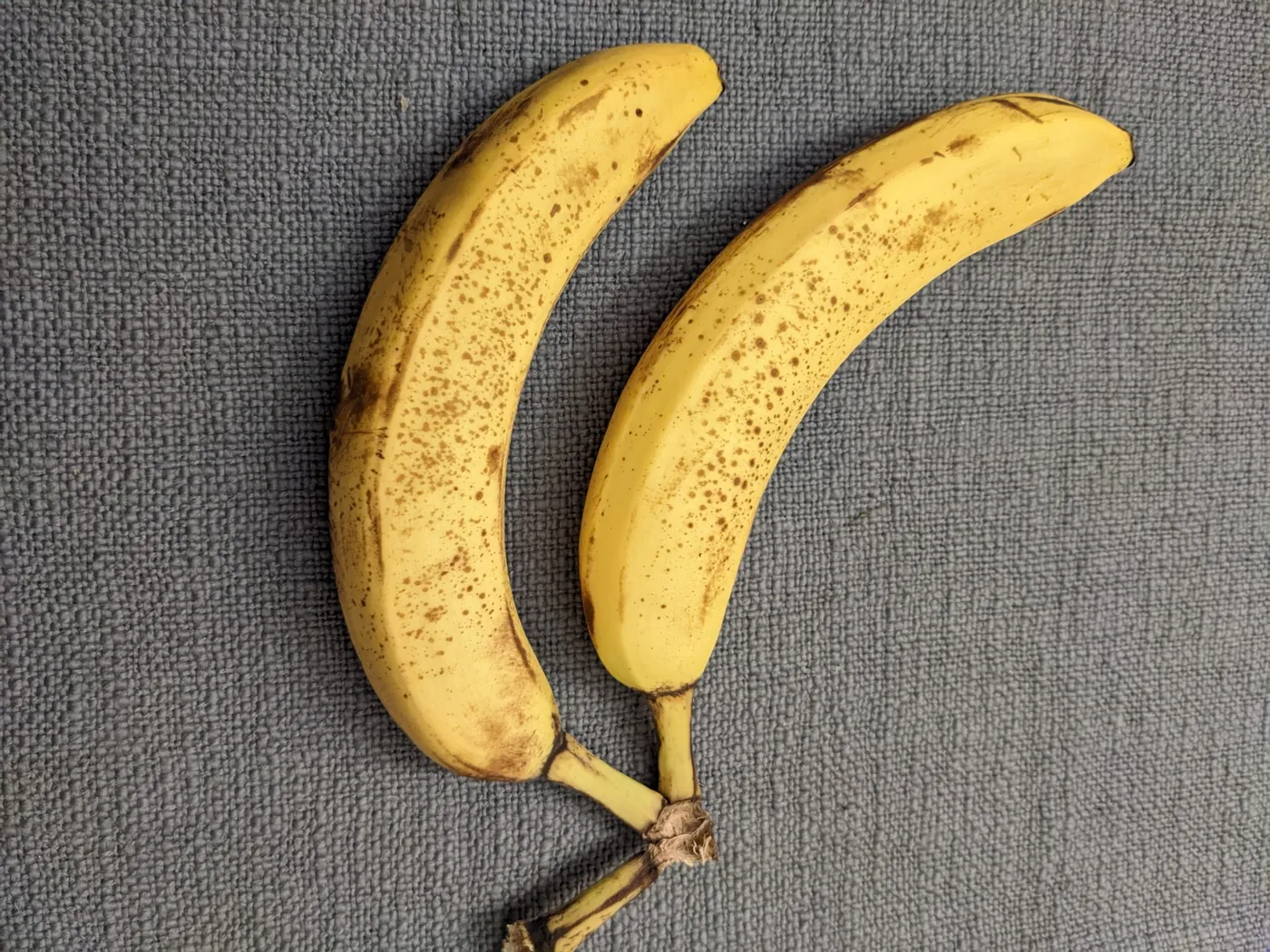
Potassium rich foods, beyond the banana.
The UK foods highest in potassium per 100g from government data, where bananas really rank, and how much potassium adults need a day.
7 November 2026 · 5 min read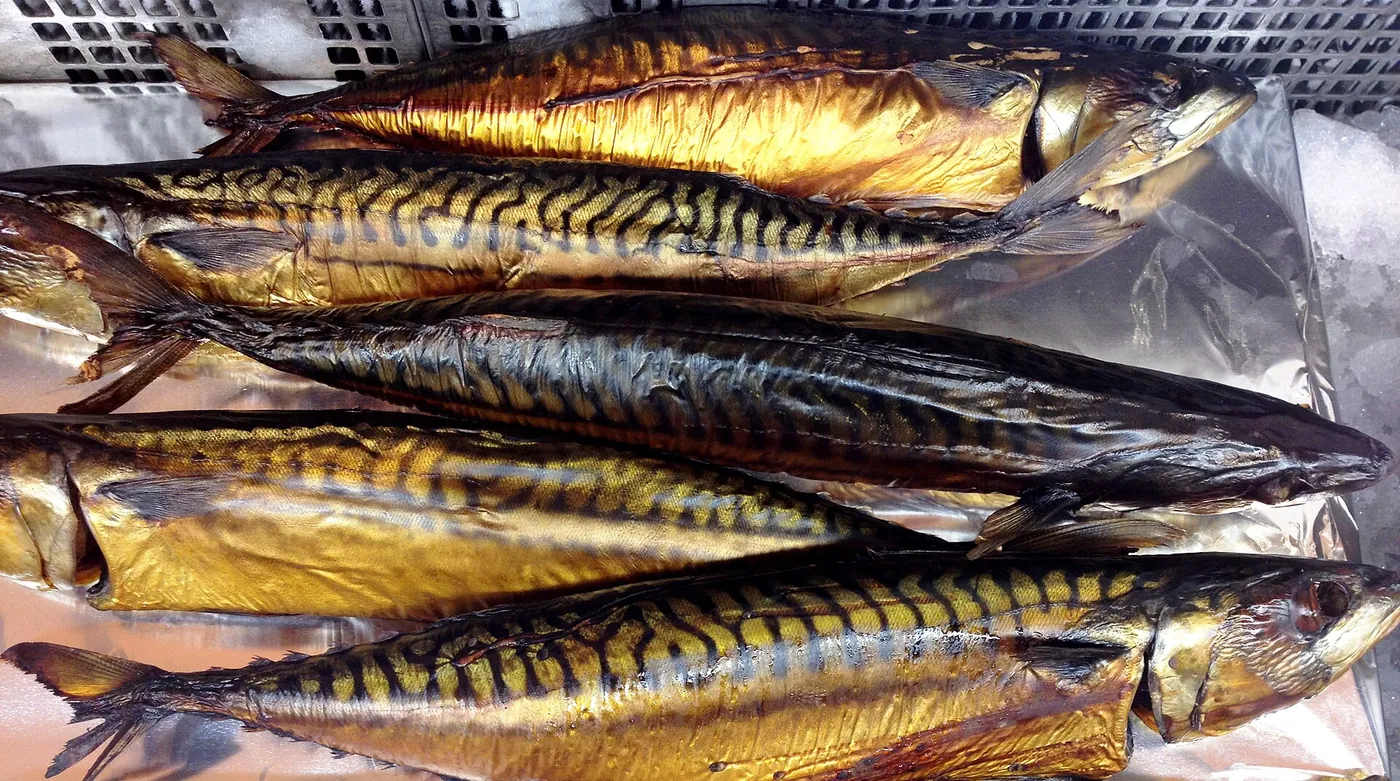
Omega 3 foods, from mackerel to walnuts.
The UK foods richest in omega 3 from government data, how much oily fish the NHS advises, and the best vegetarian and vegan sources.
7 November 2026 · 7 min read