
Omega 3 foods, from mackerel to walnuts.
Oily fish carries the long-chain omega 3 fats, EPA and DHA, in amounts no other food comes close to. Here are the UK figures per 100g and per portion, the NHS advice on fish, and the plant sources for vegetarians.
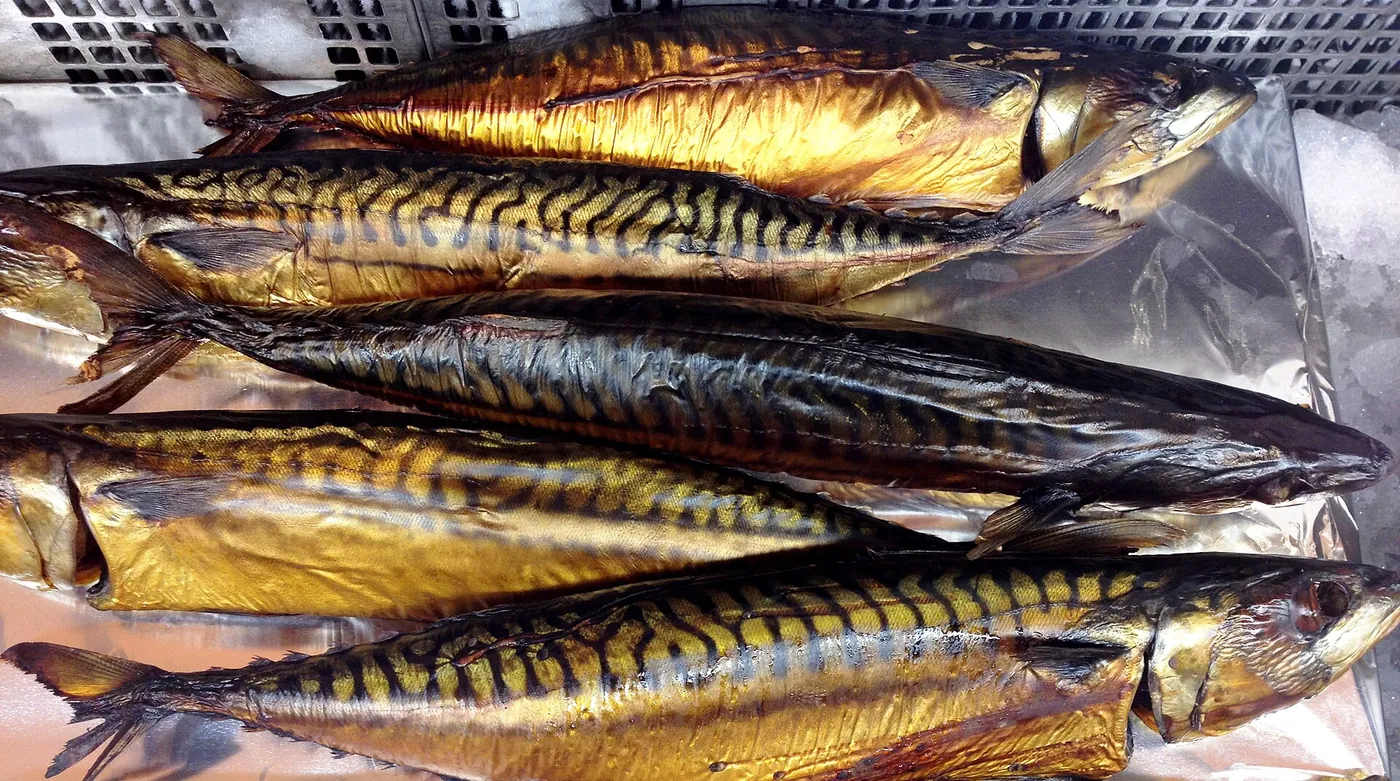
Quick answer. The richest omega 3 foods in the UK's food composition data (CoFID 2021) are oily fish: smoked mackerel has 5.6g of omega 3 per 100g, grilled mackerel 4.8g, and kippers, farmed salmon and canned sardines around 2.5g to 3.4g. Plant foods such as walnuts (7.5g) and rapeseed oil (9.6g) are high in a different omega 3, ALA, which the body turns into the long-chain forms only slowly. The NHS advises at least two portions of fish a week, one of them oily, with a portion around 140g.
What are the best omega 3 foods?
There are three omega 3 fats to know. EPA and DHA are the long-chain forms, found mainly in fish. ALA comes from plants. The British Dietetic Association omega 3 fact sheet says ALA makes EPA and DHA in the body, but "This happens slowly and only small amounts are formed."
The figures below are from the government's Composition of Foods Integrated Dataset (CoFID), 2021 release, per 100g of the food as described. The last column is calculated for a 140g portion of fish, the size the NHS uses, and for the portion shown for other foods.
| Food (as eaten) | Total omega 3 per 100g | EPA + DHA per 100g | EPA + DHA per portion |
|---|---|---|---|
| Mackerel, smoked | 5.57g | 3.65g | 5.1g (140g) |
| Mackerel, grilled | 4.83g | 3.02g | 4.2g (140g) |
| Kippers, grilled | 3.35g | 2.38g | 3.3g (140g) |
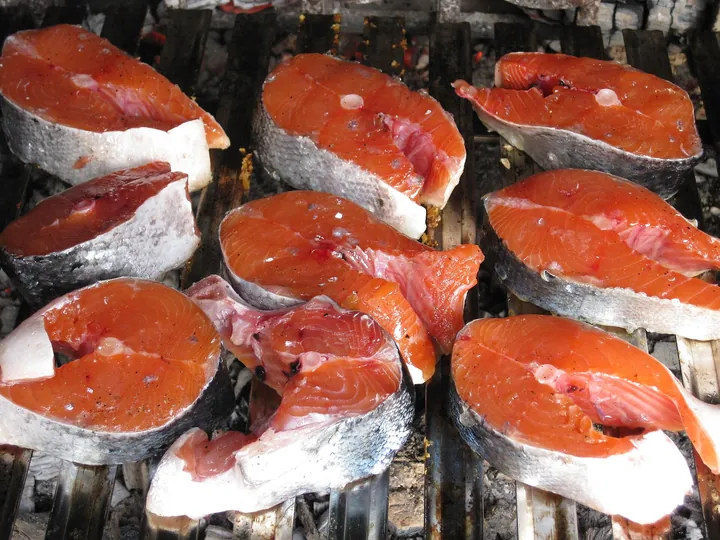
| Salmon, farmed, grilled | 3.31g | 2.28g | 3.2g (140g) |
| Sardines, canned in tomato sauce | 2.98g | 2.44g | 3.4g (140g) |
| Sardines, canned in brine, drained | 2.50g | 2.02g | 2.8g (140g) |
| Rainbow trout, baked | 1.72g | 1.31g | 1.8g (140g) |
| Red salmon, canned in brine, drained | 1.65g | 1.25g | 1.8g (140g) |
| Mussels, purchased cooked | 0.54g | 0.47g | 0.7g (140g) |
| Tuna, canned in brine, drained | 0.32g | 0.29g | 0.4g (140g) |
| Eggs, boiled | 0.14g | 0.06g | 0.04g (one 60g egg) |
| Oil, rapeseed | 9.60g | 0g | 0g |
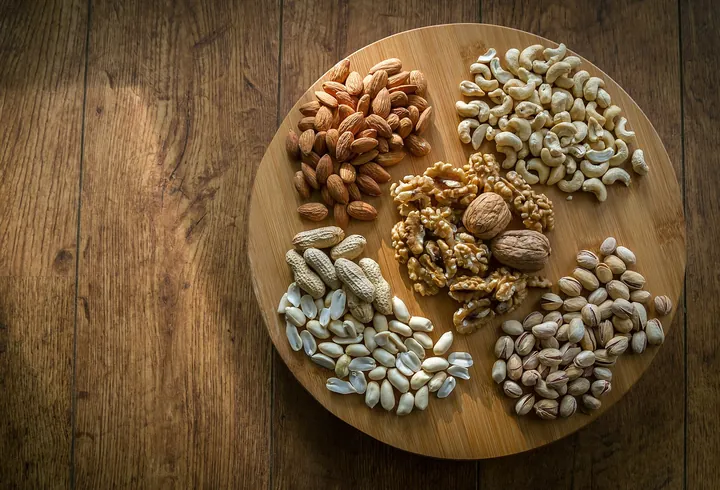
| Walnuts | 7.47g | 0g | 0g |
| Edamame beans, boiled | 0.42g | 0g | 0g |
For the plant foods, all of the omega 3 is ALA. A 30g handful of walnuts carries about 2.2g of ALA and an 80g portion of edamame about 0.3g (calculated). Linked foods open their own page with the full per-100g figures for protein, fat, vitamins and minerals.
Which omega 3 rich foods are easiest to buy in the UK?
The NHS fish and shellfish page lists the oily fish as herring (including kippers), pilchards, salmon, sardines, sprats, trout and mackerel. Most are sold fresh, smoked or tinned.
- Mackerel leads the table. Smoked mackerel fillets are ready to eat, and a 140g portion carries about 5.1g of EPA and DHA.
- Tinned sardines keep in the cupboard, and a 140g portion in tomato sauce carries about 3.4g.
- Salmon and trout are the oily fish most people already buy. Farmed salmon carries about 3.2g per 140g, rainbow trout about 1.8g.
- Kippers are smoked herring and carry about 3.3g per 140g.
Is tinned fish as good as fresh for omega 3?
For sardines, pilchards and salmon, yes, tinned versions still count as oily fish and the figures stay high. Tinned sardines in tomato sauce (2.44g of EPA and DHA per 100g) carry more than fresh baked rainbow trout (1.31g).
Tuna is the exception. The NHS says "Fresh and canned tuna do not count as oily fish." CoFID shows why: tuna canned in brine has 0.29g of EPA and DHA per 100g, about a tenth of tinned sardines. It is still a useful fish for protein, and it counts towards the two weekly portions, just not as the oily one. Some shellfish carry long-chain omega 3 too, and the NHS names oysters and crab as the main shellfish sources.
How much oily fish should you eat a week?
The NHS says "A healthy, balanced diet should include at least 2 portions of fish a week, including 1 of oily fish." It adds that "A portion is around 140g." The BDA gives the same advice: "You should try to eat two portions of fish per week, one of which should be oily, to get the most benefit." The BDA's portion is "140g (5 oz) fresh fish or one small can oily fish".
There is an upper limit for some groups, because oily fish can carry pollutants. The NHS says girls, women who are planning a pregnancy or may have a child one day, and pregnant and breastfeeding women should eat no more than 2 portions of oily fish a week. It also sets limits on tuna for anyone trying for a baby or pregnant. For anyone with questions about their own diet, a GP, pharmacist or dietitian can advise.
For people who do not eat fish, the BDA says to choose a supplement that gives the same daily amount as eating one to two portions of fish a week, "about 450mg EPA and DHA per daily adult dose". Calculated from the table, one 140g portion of grilled mackerel carries about 4.2g, which is more than that daily figure for a whole week.
What are the best vegetarian omega 3 sources?
The NHS vegetarian diet page lists flaxseed (linseed) oil, rapeseed oil, walnuts, seeds including flaxseeds, chia seeds and pumpkin seeds, and "eggs enriched with omega-3". The vegan diet page adds shelled hemp seeds and advises people to "eat nuts and seeds rich in omega-3 fatty acids (such as walnuts) every day".
- Rapeseed oil has 9.6g of ALA per 100g in CoFID, so a 10g spoonful used in cooking gives about 1g (calculated). The NHS vegan page calls it "vegetable (rapeseed) oil".
- Walnuts have 7.47g per 100g. In CoFID, peanuts have 0.35g, almonds 0.27g, hazelnuts 0.12g and pumpkin seeds 0.13g.
- Edamame beans have 0.42g per 100g, a small amount alongside their protein.
- Omega 3 enriched eggs, milk and spreads vary by brand. The BDA advises checking the label.
The NHS notes that evidence suggests vegetarian sources of omega 3 may not have the same benefits as those in oily fish. The BDA says some omega 3 supplements "contain only algae so are suitable for vegetarians and vegans."
Oily fish also carry other nutrients covered in our guides to iodine in milk and fish and selenium foods.
Where Immufix fits.
Immufix contains no omega 3. The pack declares none, so it is not a source of EPA, DHA or ALA and is no substitute for oily fish, walnuts or rapeseed oil. It is a daily vitamin and mineral powder, taken as one scoop (25g) in around 200ml of water, once a day.
One scoop contains 75µg of selenium (136% of the NRV) and 2.5mg of vitamin E (21%). Selenium contributes to the normal function of the immune system and to the protection of cells from oxidative stress. Vitamin E contributes to the protection of cells from oxidative stress. The full list of amounts is on the science page.
The short version.
- Per 100g, smoked mackerel (5.57g) and grilled mackerel (4.83g) lead the UK data for omega 3, followed by kippers, salmon and sardines.
- The NHS advises at least two portions of fish a week, one of them oily, with a portion around 140g.
- Tinned sardines, pilchards and salmon count as oily fish. Tuna, fresh or tinned, does not.
- Walnuts, rapeseed oil, flaxseed, chia and hemp seeds carry ALA, which the body turns into EPA and DHA only slowly.
- For vegetarians and vegans, the BDA notes that algae-based omega 3 supplements are an option.
Food supplements should not be used as a substitute for a varied, balanced diet and a healthy lifestyle. If you have a medical condition, are pregnant, breastfeeding or taking medication, speak to your GP or pharmacist before taking any food supplement.


Daily Immune Support
Vitamins, minerals and plant nutrients in one daily scoop. The formula Paula Radcliffe has taken every day since 1998.
4.8 out of 5 · 89 reviewsMonthly subscription. £52.00 is charged every month until you cancel. Minimum three payments, then cancel any time. Subscription terms
New here? 20% off your first order with code TRYIMMUFIX. Apply it
Dispatched the same day on weekday orders placed before 2pm.
Free standard UK delivery. Royal Mail 48 tracked, 2 to 3 working days. UK addresses only.
30‑day money-back guarantee. Try your first pouch of IMMUFIX for up to 30 days. If it’s not for you, we’ll refund your first qualifying pouch, less £10 shipping and handling. First purchase only. T&Cs apply.
Checkout completes securely on immufix.com
More from the journal.
Where UK iodine comes from, milk and fish first.
The best iodine foods in the UK, from white fish to milk and eggs, with per-100g figures from government data and the NHS daily amount for adults.
10 October 2026 · 6 min read
Where to find zinc in everyday food.
Which foods have the most zinc, with per-100g figures from UK government data, the NHS daily amounts for men and women, and simple ways to eat more.
10 October 2026 · 6 min read
Potassium rich foods, beyond the banana.
The UK foods highest in potassium per 100g from government data, where bananas really rank, and how much potassium adults need a day.
7 November 2026 · 5 min read