
Potassium rich foods, beyond the banana.
Dried apricots, leafy greens, seeds, nuts and baked potatoes all carry more potassium per 100g than a banana. Here are the figures from the UK's own food composition data, and how much adults need.
Quick answer. In the UK government's food composition data (CoFID 2021), the foods highest in potassium per 100g include dried apricots (1,880mg), sultanas (1,060mg), boiled baby spinach (950mg), raisins (889mg), pumpkin seeds (820mg) and almonds (733mg). Everyday potassium rich foods carry plenty too: a baked potato with its skin has 600mg per 100g, Hass avocado 583mg and banana 330mg. The NHS says adults aged 19 to 64 need 3,500mg of potassium a day.
Which foods are highest in potassium in the UK?
The NHS keeps its advice short. Its page on other vitamins and minerals says "Potassium is found in most types of food." It names bananas, vegetables such as broccoli, parsnips and Brussels sprouts, beans and pulses, nuts and seeds, fish, beef, chicken and turkey as good sources.
For the numbers, the source is the Composition of Foods Integrated Dataset (CoFID), the UK government's version of McCance and Widdowson's tables. Every figure below is from its 2021 release, per 100g of the food as described.
| Food (as eaten) | Potassium per 100g | Share of the NHS 3,500mg a day |
|---|---|---|
| Dried apricots | 1,880mg | 54% |
| Sultanas | 1,060mg | 30% |
| Baby spinach, boiled | 950mg | 27% |
| Raisins | 889mg | 25% |
| Pumpkin seeds | 820mg | 23% |
| Almonds | 733mg | 21% |
| Parsnip, roasted | 626mg | 18% |
| Potato, baked, flesh and skin | 600mg | 17% |
| Avocado, Hass | 583mg | 17% |
| Turkey breast, grilled | 550mg | 16% |
| Sweet potato, baked | 480mg | 14% |
| Chicken breast, grilled, no skin | 460mg | 13% |
| Salmon, farmed, baked | 412mg | 12% |
| Brussels sprouts, boiled | 404mg | 12% |
| Broccoli, raw | 397mg | 11% |
| Red kidney beans, canned | 366mg | 10% |
| Potato, boiled, flesh only | 365mg | 10% |
| Bananas | 330mg | 9% |
| Chickpeas, canned | 281mg | 8% |
| Red lentils, boiled | 220mg | 6% |
| Semi-skimmed milk | 156mg | 4% |
| Oranges | 122mg | 3% |
The right-hand column is calculated: each CoFID figure divided by the 3,500mg adults need each day. No single food gets close to that on its own, which is why the NHS points to a spread of foods. More on potassium, and the foods that carry it, in our potassium guide. Linked foods in the table open their own page with the full per-100g figures.
Are bananas high in potassium?
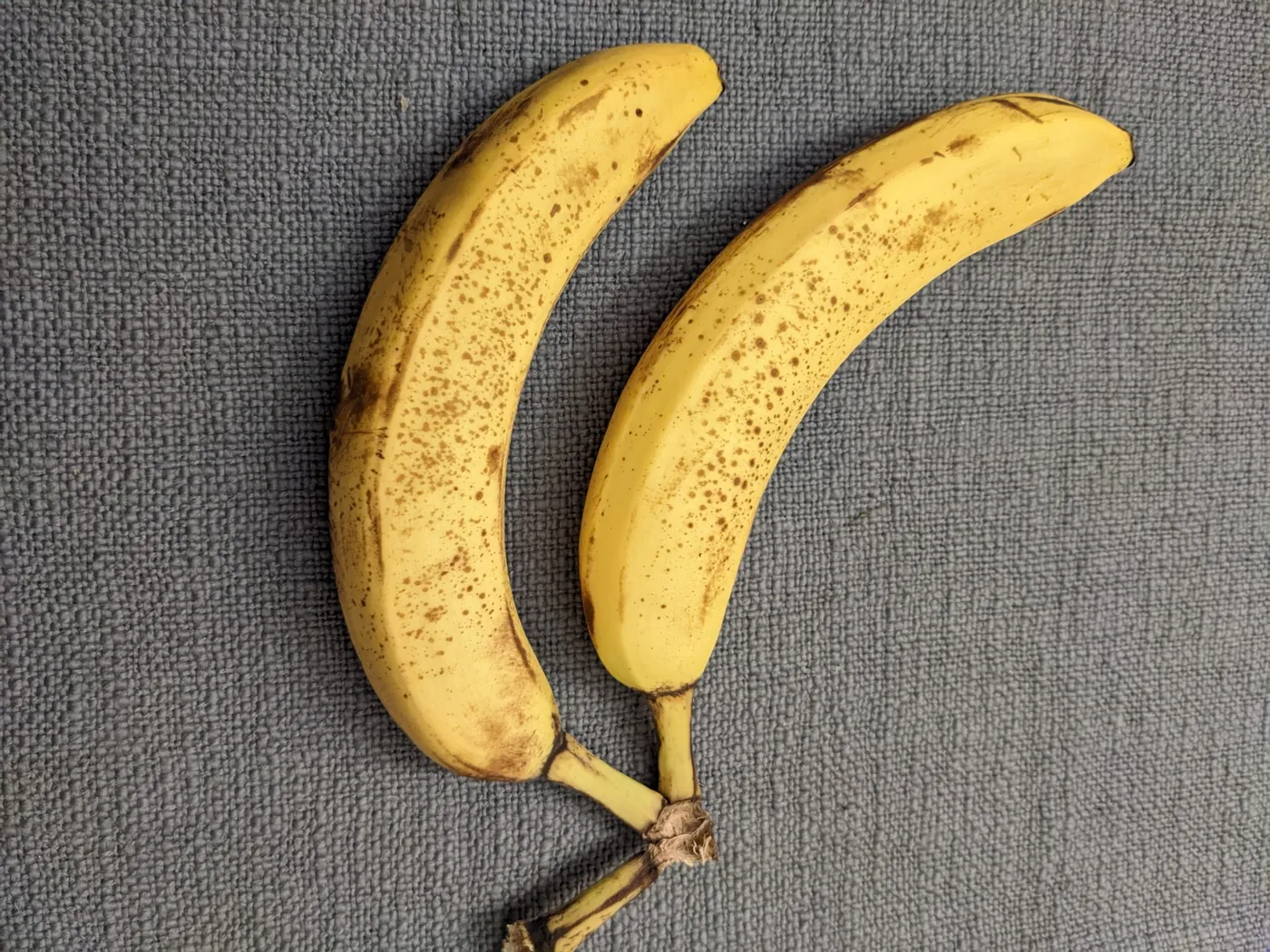
Bananas are a good source, and they top the NHS list, but they sit in the middle of the table. CoFID gives banana flesh 330mg of potassium per 100g. Per 100g, a baked potato with its skin has nearly twice as much, boiled baby spinach almost three times as much, and dried apricots more than five times as much.
Bananas earn their reputation because they are easy. They need no cooking, they travel well and most people eat one whole. A banana with breakfast and a baked potato at lunch adds up quickly.
Which vegetables are high in potassium?
Leafy greens, potatoes and root vegetables lead. In CoFID, boiled baby spinach has 950mg per 100g, a baked potato with its skin 600mg, baked sweet potato 480mg, boiled Brussels sprouts 404mg and raw broccoli 397mg.
How you cook them changes the figure per 100g. CoFID measures many vegetables more than one way:
- Old potatoes: 600mg baked with the skin, 365mg boiled without it.
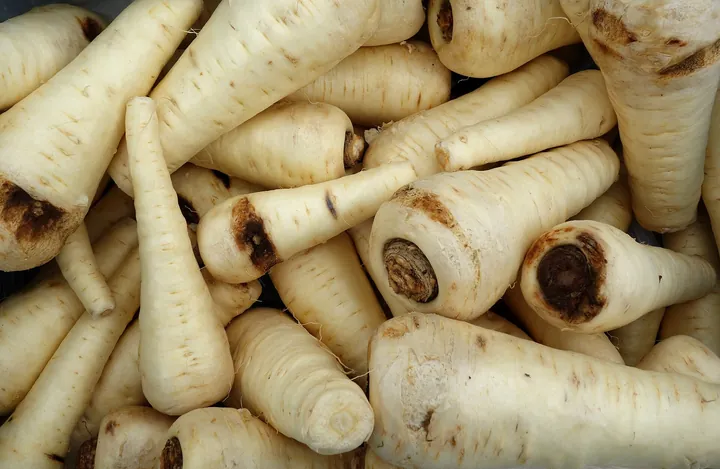
- Parsnips: 450mg raw, 319mg boiled, 626mg roasted.
- Baby spinach: 682mg raw, 950mg boiled.
Roasted and wilted vegetables lose water, so each 100g holds more of everything else. Boiled, peeled potatoes come out lower than baked ones with the skin on. Baking potatoes in their skins and roasting roots are simple ways to keep the numbers high.
How much potassium do I need a day?
The NHS says "Adults (19 to 64 years) need 3,500mg of potassium a day." The UK Government Dietary Recommendations give the same figure. Food labels use a lower reference figure, the NRV, which is 2,000mg for potassium.
The NHS adds: "You should be able to get all the potassium you need from your daily diet." On supplements, it says "Taking 3,700mg or less of potassium supplements a day is unlikely to have obvious harmful effects", and "Older people should not take potassium supplements unless advised to by a doctor." If you have a medical condition or take regular medication, speak to your GP or pharmacist before changing your potassium intake.
What does potassium do?
Potassium has three authorised health claims in Great Britain, listed on the government's nutrition and health claims register. Each one uses set wording:
- Potassium contributes to normal functioning of the nervous system.
- Potassium contributes to normal muscle function.
- Potassium contributes to the maintenance of normal blood pressure.
Potassium is one of several minerals with a muscle claim. Our guide to nutrients for normal muscle function covers the rest, and our magnesium rich foods article has the figures for another mineral found in many of the same foods.
Where Immufix fits.
Immufix is not a potassium source. Potassium is present only at trace levels and is not declared on the label, so the foods above are where potassium should come from.
One scoop (25g) in around 200ml of water, once a day, does provide 70mg of magnesium, which is 19% of the NRV. Magnesium contributes to normal muscle function and to electrolyte balance. The full list of amounts is on the science page.
The short version.
- Per 100g, dried apricots (1,880mg), sultanas (1,060mg), boiled baby spinach (950mg) and raisins (889mg) lead the UK data.
- Bananas (330mg) are a good source, but a baked potato with its skin (600mg) has nearly twice as much.
- Bake potatoes in their skins and roast root vegetables to keep the figures per 100g high.
- The NHS says adults need 3,500mg a day, and most people can get it from a varied diet.
- Older people should only take potassium supplements if a doctor advises it.
Food supplements should not be used as a substitute for a varied, balanced diet and a healthy lifestyle. If you have a medical condition, are pregnant, breastfeeding or taking medication, speak to your GP or pharmacist before taking any food supplement.
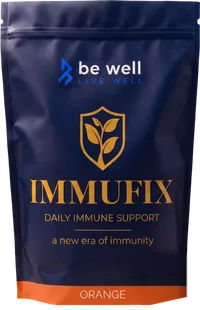

Daily Immune Support
Vitamins, minerals and plant nutrients in one daily scoop. The formula Paula Radcliffe has taken every day since 1998.
4.8 out of 5 · 89 reviewsMonthly subscription. £52.00 is charged every month until you cancel. Minimum three payments, then cancel any time. Subscription terms
New here? 20% off your first order with code TRYIMMUFIX. Apply it
Dispatched the same day on weekday orders placed before 2pm.
Free standard UK delivery. Royal Mail 48 tracked, 2 to 3 working days. UK addresses only.
30‑day money-back guarantee. Try your first pouch of IMMUFIX for up to 30 days. If it’s not for you, we’ll refund your first qualifying pouch, less £10 shipping and handling. First purchase only. T&Cs apply.
Checkout completes securely on immufix.com
More from the journal.
Calcium rich foods, with and without dairy.
The UK foods highest in calcium per 100g from government data, the best dairy free calcium sources, and how much calcium adults need a day.
7 November 2026 · 6 min read
The foods highest in iron, per 100g.
The UK foods highest in iron per 100g from government data, the best iron rich foods for vegetarians, and how much iron adults need a day.
7 November 2026 · 6 min readVeganuary nutrients, and where to find them.
The six nutrients to plan for on Veganuary: B12, iodine, vitamin D, calcium, iron and omega-3, with NHS advice and UK food figures for each.
7 November 2026 · 7 min read