
The nutrients behind normal muscle function.
Only a handful of nutrients may lawfully be said to contribute to normal muscle function in Great Britain. Magnesium and vitamin D are two of them, and the wording of each claim is fixed.
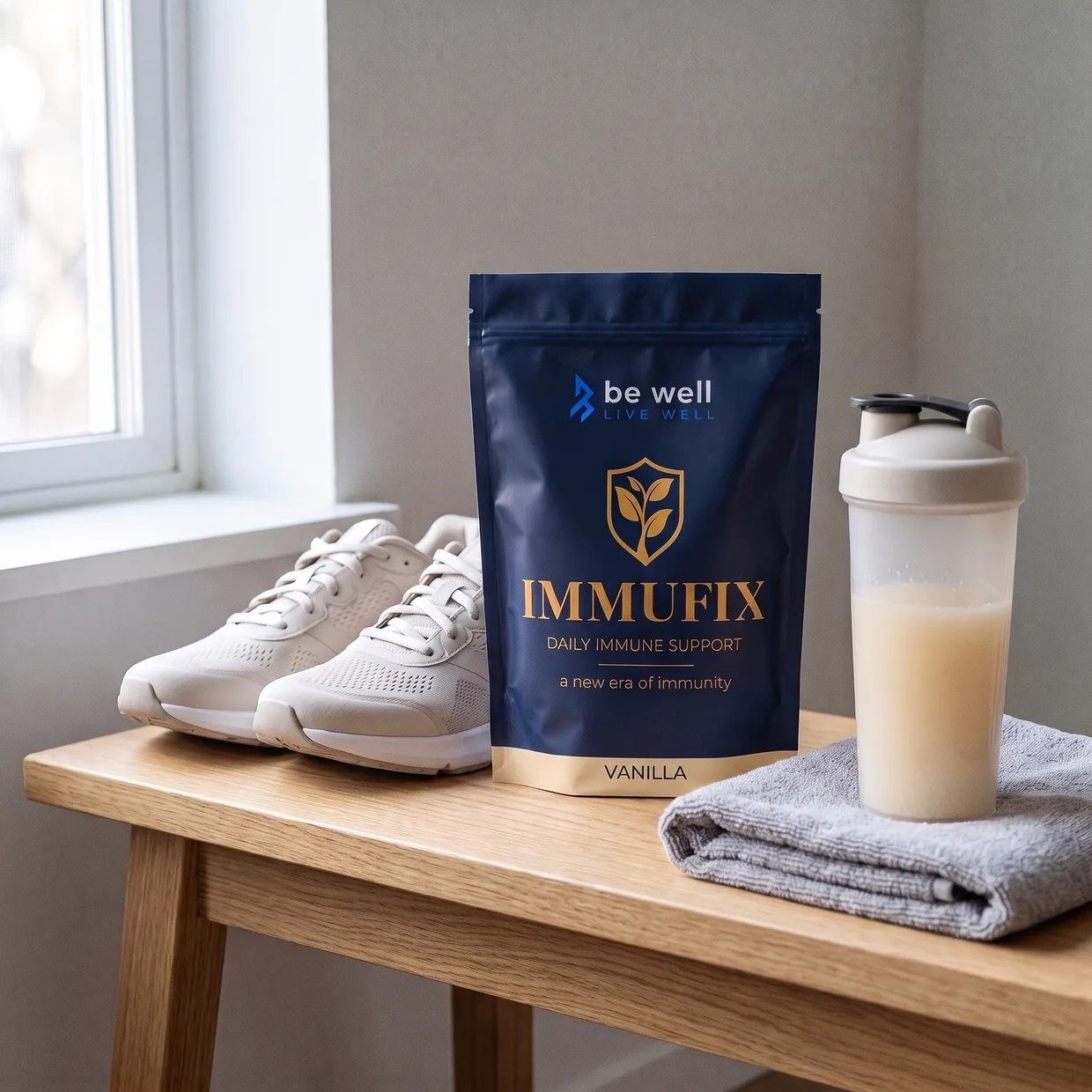
Quick answer. Muscle function rests on regular activity, enough protein and energy from food, and a few vitamins and minerals. In Great Britain, magnesium holds the authorised claim that it contributes to normal muscle function, and vitamin D holds the claim that it contributes to the maintenance of normal muscle function. Calcium and potassium also matter for muscles and come mainly from everyday food. The NHS says most adults can get the magnesium they need, 300mg a day for men and 270mg for women, from a varied diet with foods such as spinach, nuts and wholemeal bread.
What helps muscle function?
Three things do most of the work, and only one of them comes in a tub.
- Using your muscles. The NHS advises adults to "do strengthening activities that work all the major muscle groups (legs, hips, back, abdomen, chest, shoulders and arms) on at least 2 days a week" (NHS physical activity guidelines).
- Enough food, including protein. The British Dietetic Association describes protein as "required for building and repairing muscle". It adds that, as long as energy needs are met, "a healthy, balanced diet should provide enough protein" for most people who exercise.
- Vitamins and minerals. A short list of nutrients has an official claim about muscles. The rest of this page is about them.
Which nutrients hold the muscle function claim?
In Great Britain a food or food supplement may only describe what a nutrient does in wording taken from the GB nutrition and health claims register. As GOV.UK puts it: "Only authorised claims in the Great Britain NHC register may be used in Great Britain." For muscles, the two claims that apply to Immufix read:
- "Magnesium contributes to normal muscle function"
- "Vitamin D contributes to the maintenance of normal muscle function"
Whether a product may use a claim depends on how much of the nutrient it contains.
A product can only use one of these claims when the nutrient is present at a significant amount, which for a supplement means at least 15% of its nutrient reference value (NRV) per daily serving. The table shows where each one stands in a 25g scoop of Immufix.
| Nutrient | Per 25g scoop | Muscle claim on this page |
|---|---|---|
| Magnesium | 70mg · 19% NRV | Contributes to normal muscle function |
| Vitamin D3 | 1.25µg · 25% NRV | Contributes to the maintenance of normal muscle function |
| Calcium | Not declared on the label | No claim made |
| Potassium | Not declared on the label | No claim made |
The NRVs come from Annex XIII of the food information regulation: 375mg for magnesium and 5µg for vitamin D. Calcium and potassium are present in Immufix only at trace levels, so they are not on the label and we make no claim for them.
Does magnesium help your muscles?
Magnesium holds the authorised claim that it contributes to normal muscle function. It also holds claims for electrolyte balance, normal energy-yielding metabolism and the reduction of tiredness and fatigue. The word "normal" matters: the claim describes ordinary function in a body that is getting enough, not extra strength or faster recovery.
The NHS describes magnesium as a mineral that helps "turn the food we eat into energy" and sets these daily amounts (NHS: other vitamins and minerals):
The NHS lists spinach, nuts and wholemeal bread as good sources and says "having 400mg or less a day of magnesium from supplements is unlikely to cause any harm." Taking more than 400mg for a short time can upset your stomach. Our guide to magnesium-rich foods has per-100g figures if you want to eat more of it.
The claim says nothing about cramp. If you get muscle cramps often, or muscle pain or weakness that does not settle, speak to a GP or pharmacist.
Does vitamin D help muscles?
Vitamin D holds the authorised claim that it contributes to the maintenance of normal muscle function, along with the maintenance of normal bones and normal absorption and use of calcium and phosphorus. The NHS explains that vitamin D "helps regulate the amount of calcium and phosphate in the body", and that "these nutrients are needed to keep bones, teeth and muscles healthy" (NHS: vitamin D).
The NHS says adults need 10 micrograms of vitamin D a day. Food sources are few: oily fish such as salmon, sardines and mackerel, red meat, egg yolks and fortified foods like some fat spreads and breakfast cereals. Most people make enough from sunlight on their skin from about late March to the end of September, and the NHS advises everyone to consider a daily 10 microgram supplement in autumn and winter. A scoop of Immufix has 1.25µg, which is 25% of the NRV but an eighth of that NHS amount. If you are following the NHS advice, you will need a separate vitamin D supplement. Our article on vitamin D in the UK covers the detail.

What about calcium and potassium?
Both minerals matter for muscles, and both come mainly from ordinary food. The NHS describes them like this:
- Calcium has several jobs, including "regulating muscle contractions, including your heartbeat". Adults need 700mg a day. Sources include milk, cheese and other dairy foods, green leafy vegetables such as curly kale and okra, soya drinks with added calcium, bread made with fortified flour and fish where you eat the bones, such as sardines (NHS: calcium).
- Potassium "helps control the balance of fluids in the body, and also helps the heart muscle work properly". Adults need 3,500mg a day, from foods such as bananas, broccoli, parsnips, brussels sprouts, beans and pulses, nuts and seeds, fish, beef, chicken and turkey.
The NHS says you should be able to get all the calcium and potassium you need from your daily diet. It also advises that older people should not take potassium supplements unless advised to by a doctor.
How do I put this into a day of eating?
None of this needs special food. A day that covers the list might look like this:
- Breakfast: porridge made with milk, topped with a banana and a few nuts. That brings calcium, potassium and magnesium together.
- Lunch: a wholemeal sandwich with eggs or tinned sardines and a handful of spinach.
- Dinner: chicken, fish or beans with broccoli and potatoes, which adds protein and more potassium.
Spread protein across meals, as the BDA suggests, and keep up the strengthening work twice a week. If you run, our guide to vitamins for runners covers the rest of the plate.
Where Immufix fits.
Immufix is one 25g scoop in around 200ml of water, once a day. It contains magnesium at 70mg (19% NRV) and vitamin D3 at 1.25µg (25% NRV). Magnesium contributes to normal muscle function and to electrolyte balance. Vitamin D contributes to the maintenance of normal muscle function and the maintenance of normal bones. Calcium and potassium are not declared on the label, so we make no claim for them. Every amount is listed on the science page.
The short version.
- Strengthening activity on at least 2 days a week and enough protein and energy from food come first.
- Magnesium contributes to normal muscle function, and vitamin D contributes to the maintenance of normal muscle function.
- Adults need 300mg (men) or 270mg (women) of magnesium a day, from foods such as spinach, nuts and wholemeal bread.
- Immufix has magnesium and vitamin D at qualifying levels. Calcium and potassium are not declared, so no claim is made for them.
- Frequent cramps, or muscle pain or weakness that does not settle, are a question for a GP or pharmacist.
Food supplements should not be used as a substitute for a varied, balanced diet and a healthy lifestyle. If you have a medical condition, are pregnant, breastfeeding or taking medication, speak to your GP or pharmacist before taking any food supplement.

Daily Immune Support
Vitamins, minerals and plant nutrients in one daily scoop. The formula Paula Radcliffe has taken every day since 1998.
4.8 out of 5 · 89 reviewsDispatched the same day on weekday orders placed before 2pm.
Free standard UK delivery. Royal Mail 48 tracked, 2 to 3 working days. UK addresses only.
30‑day money-back guarantee. Try your first pouch of IMMUFIX for up to 30 days. If it’s not for you, we’ll refund your first qualifying pouch, less £10 shipping and handling. First purchase only. T&Cs apply.
Checkout completes securely on immufix.com
More from the journal.
What antioxidants are, in plain English.
What antioxidants are, what oxidative stress means in plain English, which nutrients hold the authorised claim, and the UK foods that provide them.
10 October 2026 · 7 min read
Biotin, what it does and where it is.
Biotin (vitamin B7) foods per 100g from UK government data, what the NHS says about biotin, its authorised claims and the NHS 0.9mg supplement guide.
10 October 2026 · 5 min read
What chromium is, and where you find it.
What chromium is, which foods contain it, how much the NHS says adults need, and the one authorised health claim chromium holds in Great Britain.
10 October 2026 · 6 min read