
Vitamin C and iron, on the same plate.
Vitamin C increases iron absorption, and the effect works on the iron in plant foods and fortified cereals. Here are the pairings that make it easy, with the figures from the UK's food composition data.
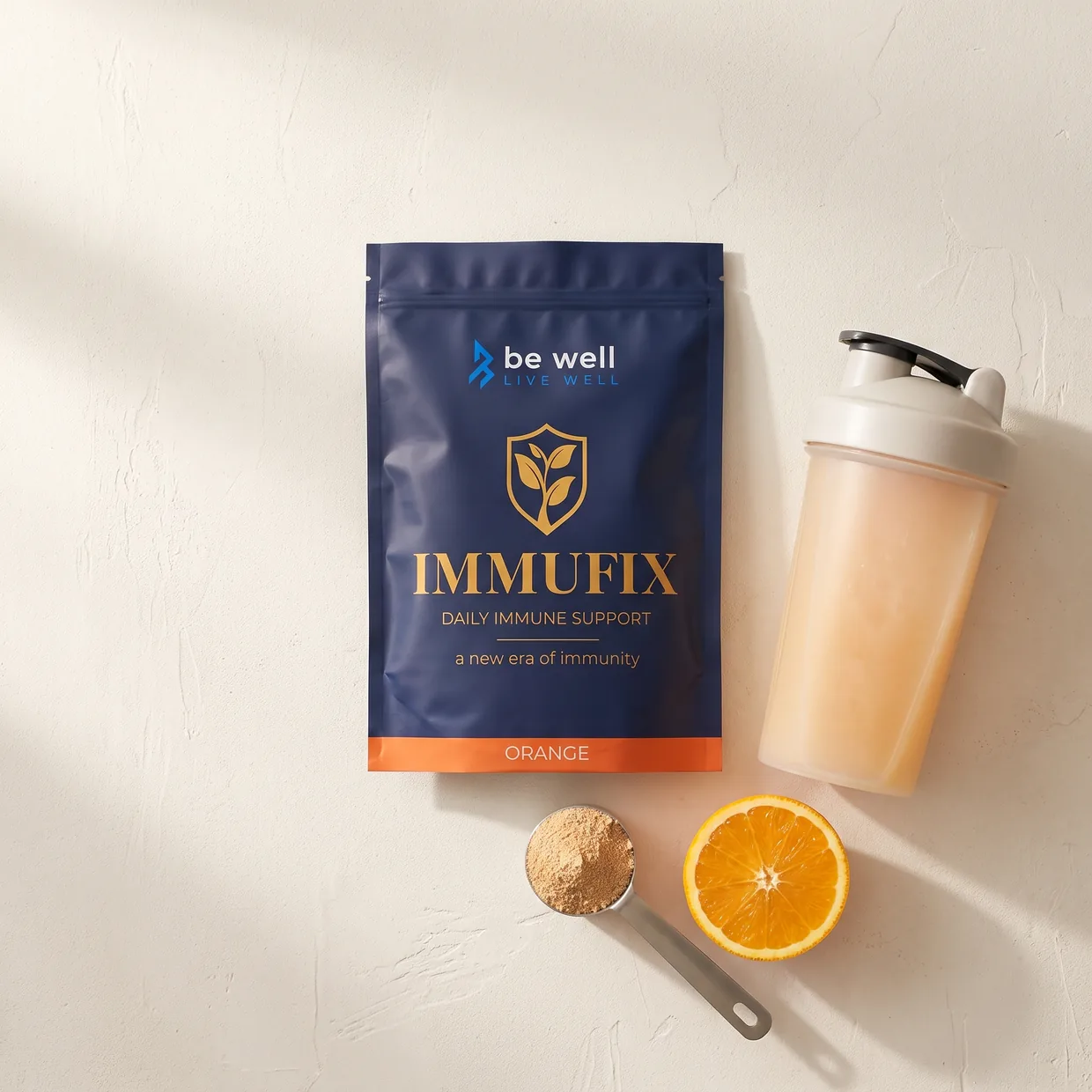
Quick answer. Vitamin C increases iron absorption, an authorised health claim in Great Britain, and it works on the iron in plant foods and fortified cereals. The best vitamin C foods to eat with them, per 100g in the UK government's food composition data (CoFID 2021), are blackcurrants (200mg), raw red pepper (126mg), raw green pepper (120mg), raw kale (110mg), raw broccoli (79mg), kiwi (71mg), strawberries (57mg) and oranges (52mg). The key is timing: UK advice is to eat them at the same time as the iron-rich food, and to keep tea and coffee away from the meal.
What are the best vitamin C foods for iron absorption?
Any food high in vitamin C works, as long as it is in the same meal as the iron. The government's Scientific Advisory Committee on Nutrition (SACN), in its Iron and Health report, sums up UK advice as "consuming iron-rich foods at the same time as foods or drinks high in vitamin C, such as fruit or fruit juice".
The richest everyday sources, per 100g, from the Composition of Foods Integrated Dataset (CoFID):
- Blackcurrants, raw: 200mg
- Red pepper, raw: 126mg
- Green pepper, raw: 120mg
- Curly kale, raw: 110mg
- Broccoli, raw: 79mg
- Kiwi fruit: 71mg
- Strawberries: 57mg
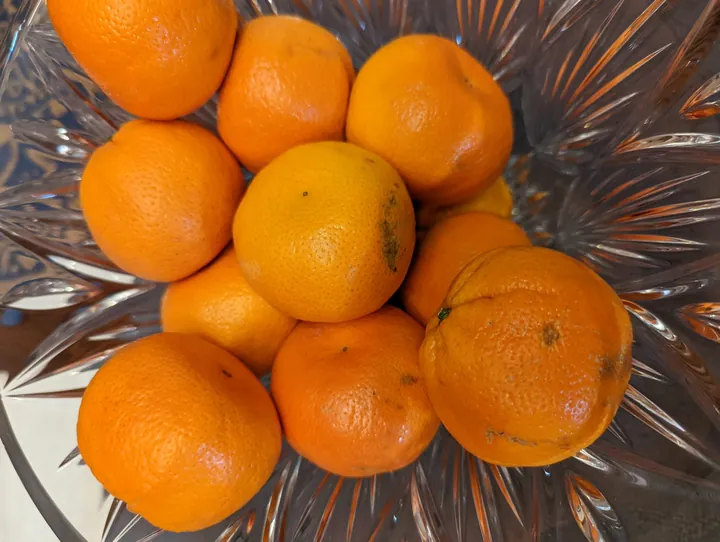
- Oranges: 52mg, and freshly squeezed orange juice 48mg
Raw or lightly cooked is best, because heat cuts vitamin C. CoFID lists curly kale at 110mg raw and 25mg boiled. Our guide to the highest vitamin C foods has the full table.
How does vitamin C help iron absorption?
Food contains two kinds of iron. Haem iron comes from meat and fish. Non-haem iron comes from plant foods such as beans, lentils, nuts and green vegetables, and from the iron added to fortified breakfast cereals and to white and brown flour. SACN says "Haem iron is 2-6 times more available for absorption from the diet than non-haem iron."
Vitamin C works on the non-haem kind. SACN describes two ways it does this. It forms a compound with iron that dissolves more easily than iron alone, and it converts iron into the chemical form that the cells of the gut take up. In plain terms, it keeps more of the iron in a form the body can use.
The authorised wording in the GB nutrition and health claims register is short: "Vitamin C increases iron absorption". The register lists the health relationship behind it as "non-haem iron absorption".
Which iron-rich foods should I pair with vitamin C?
The pairings below put a plant or fortified iron source with a vitamin C food. All figures are per 100g from CoFID 2021.
| Iron food (iron per 100g) | Vitamin C partner (vitamin C per 100g) |
|---|---|
| Bran flakes, fortified (13.5mg) | Strawberries (57mg) |
| Wheat biscuits, fortified (11.9mg) | Kiwi fruit (71mg) |
| Pumpkin seeds (10.0mg) | Blackcurrants (200mg) |
| Edamame beans, boiled (2.7mg) | Raw broccoli (79mg) |
| Wholemeal bread (2.4mg) | Raw tomatoes (22mg) |
| Red kidney beans, canned (2.3mg) | Raw green pepper (120mg) |
| Red lentils, boiled (2.1mg) | Raw red pepper (126mg) |
| Spinach, raw (2.1mg) | Orange segments (52mg) |
| Houmous (1.9mg) | Red pepper sticks (126mg) |
| Eggs (1.7mg) | Orange juice, freshly squeezed (48mg) |
Some foods bring both. Raw curly kale has 1.7mg of iron and 110mg of vitamin C per 100g, so a kale salad is a pairing on its own.
Turned into meals, that looks like:
- Breakfast: fortified cereal with strawberries or a sliced kiwi, or a glass of orange juice.
- Lunch: houmous with red pepper sticks, or a spinach salad with orange segments.
- Dinner: lentil or bean dishes with raw pepper on top or a side of lightly steamed broccoli.
- Snack: pumpkin seeds stirred into yoghurt with blackcurrants.
How much vitamin C do you need to absorb iron?
There is no single figure on a UK label for this, but the research SACN reviewed gives a sense of scale. In single-meal studies, iron absorption rose as more vitamin C was added, across a range of 25mg to 1,000mg. One study estimated that around 80mg of vitamin C was needed to offset 25mg of phytate phosphorus, a level within the 10mg to 100mg that SACN says many Western-style meals contain. Another found that 50mg offset more than 100mg of tannic acid, a tannin of the kind found in tea.
A vitamin C food that gives 50mg to 100mg sits within the range those studies used. From the CoFID figures, that is about 40g to 80g of raw red pepper, or 100g to 190g of orange flesh (calculated). The NHS says adults need 40mg of vitamin C a day in total, and that "Vitamin C cannot be stored in the body, so you need it in your diet every day." For more on daily amounts, read how much vitamin C you need a day.
Does tea or coffee stop iron absorption?
It reduces it when drunk with the meal. SACN reports that the polyphenols in one cup of tea or instant coffee cut non-haem iron absorption from a bread meal by 60 to 90% in one study, and that adding milk to the tea did not change this. Calcium and the phytates in bran have a similar effect.
The British Dietetic Association gives the practical version for people who eat little or no meat: "You should eat foods containing vitamin C with meals, such as salad or juice, and avoid drinking tea during or after main meals." Moving the tea or coffee to between meals is an easy change.
One honest caveat: most of this evidence comes from single test meals. SACN notes that the effects are smaller over whole diets, and concludes that "in populations representative of those in the UK, dietary inhibitors and enhancers of iron absorption do not substantially affect iron status." Pairing foods is a sensible habit, not a fix for any health problem. If you have concerns about your iron, speak to your GP.
How much iron do I need?
According to the NHS iron page, men aged 19 and over need 8.7mg a day, women aged 19 to 49 need 14.8mg, and women aged 50 and over need 8.7mg. The NHS says you should be able to get all the iron you need from your diet, and that "Taking 17mg or less a day of iron supplements is unlikely to cause any harm."
Where Immufix fits.
Food comes first, and the pairings above do the work at mealtimes. Immufix is a daily food supplement for people who want a consistent base underneath their diet. One scoop (25g) in around 200ml of water, once a day, provides 100mg of vitamin C, which is 125% of the NRV. Vitamin C increases iron absorption, and vitamin C contributes to the reduction of tiredness and fatigue. Immufix also contains 1.25mg of iron, which is 9% of the NRV. That is below the 15% level needed for a claim, so we make no claim for it. The full list of amounts is on the science page.
The short version.
- Vitamin C increases iron absorption. It works on non-haem iron, the kind in plant foods and fortified cereals.
- The best partners per 100g are blackcurrants, raw peppers, raw kale, raw broccoli, kiwi, strawberries and oranges.
- Eat them in the same meal as the iron food: cereal with fruit, lentils with pepper, houmous with pepper sticks.
- Tea and coffee with a meal reduce non-haem iron absorption. Drink them between meals instead.
- Most people can get the iron they need from a varied diet, according to the NHS.
Food supplements should not be used as a substitute for a varied, balanced diet and a healthy lifestyle. If you have a medical condition, are pregnant, breastfeeding or taking medication, speak to your GP or pharmacist before taking any food supplement.

Daily Immune Support
Vitamins, minerals and plant nutrients in one daily scoop. The formula Paula Radcliffe has taken every day since 1998.
4.8 out of 5 · 89 reviewsDispatched the same day on weekday orders placed before 2pm.
Free standard UK delivery. Royal Mail 48 tracked, 2 to 3 working days. UK addresses only.
30‑day money-back guarantee. Try your first pouch of IMMUFIX for up to 30 days. If it’s not for you, we’ll refund your first qualifying pouch, less £10 shipping and handling. First purchase only. T&Cs apply.
Checkout completes securely on immufix.com
More from the journal.
What antioxidants are, in plain English.
What antioxidants are, what oxidative stress means in plain English, which nutrients hold the authorised claim, and the UK foods that provide them.
10 October 2026 · 7 min read
Biotin, what it does and where it is.
Biotin (vitamin B7) foods per 100g from UK government data, what the NHS says about biotin, its authorised claims and the NHS 0.9mg supplement guide.
10 October 2026 · 5 min read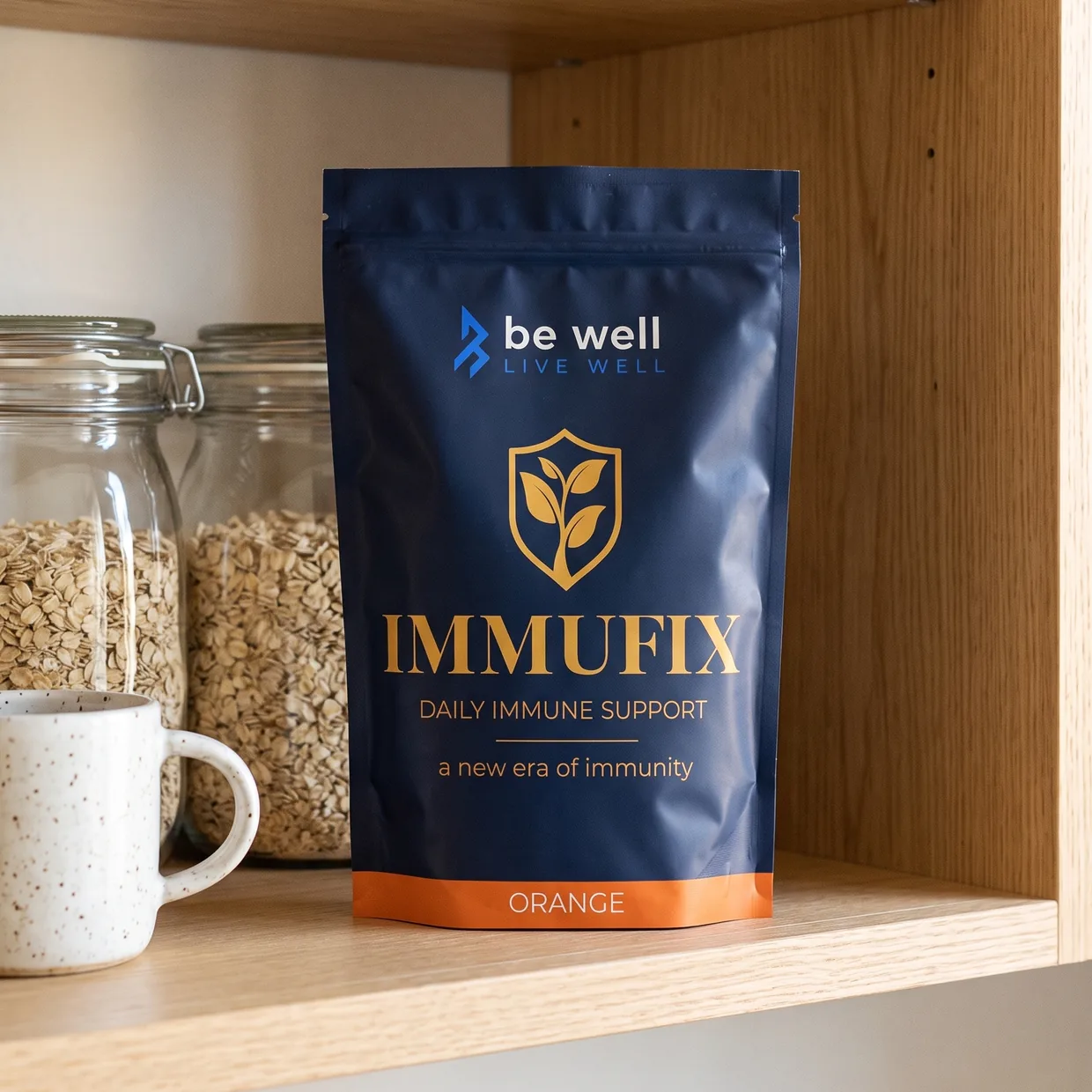
What chromium is, and where you find it.
What chromium is, which foods contain it, how much the NHS says adults need, and the one authorised health claim chromium holds in Great Britain.
10 October 2026 · 6 min read