
How much vitamin B12 you need each day.
The NHS figure is about 1.5 micrograms of vitamin B12 a day for adults, and meat, fish, milk, cheese and eggs all provide it. Vegans need fortified foods or a supplement.
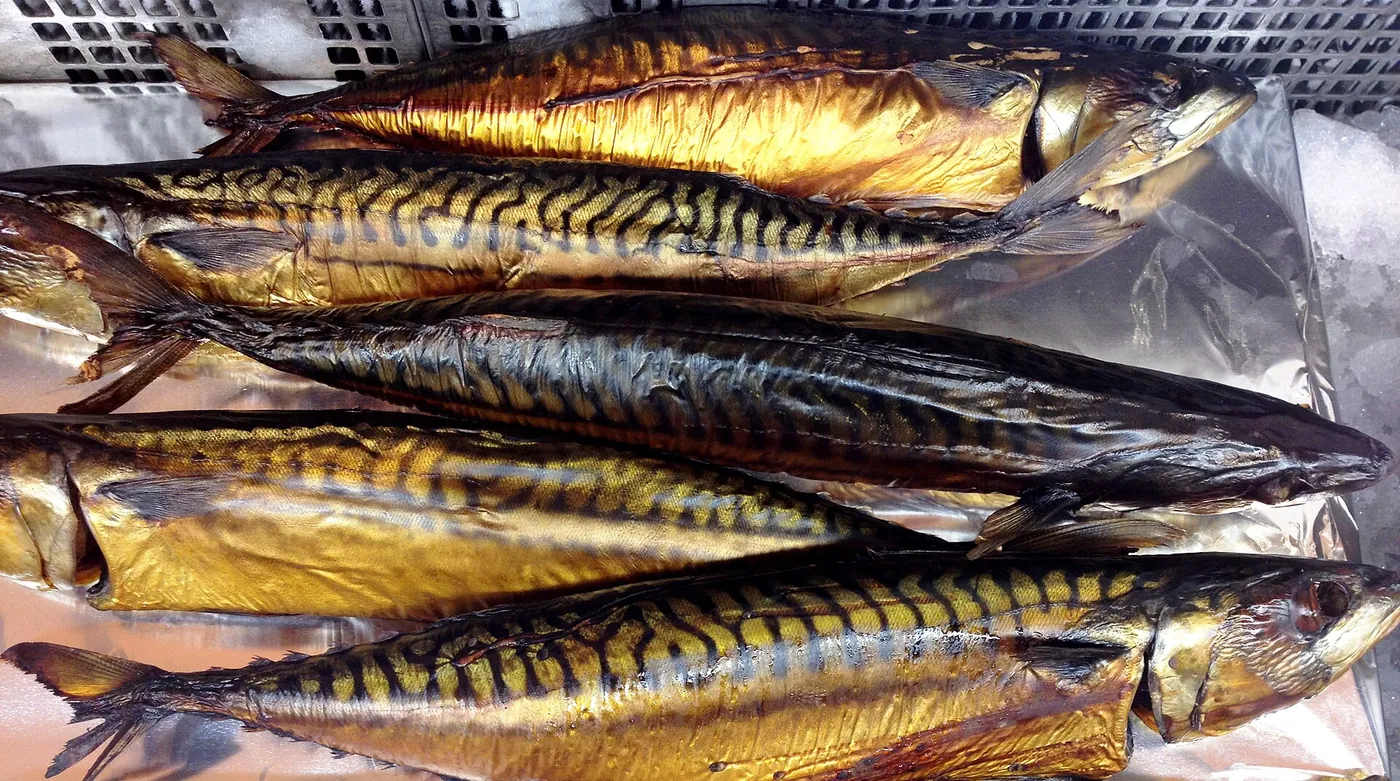
Quick answer. The NHS says: "Adults (aged 19 to 64) need about 1.5 micrograms a day of vitamin B12." The UK Government Dietary Recommendations keep 1.5µg for everyone aged 15 and over, including people over 65. Food labels use a different yardstick, the NRV of 2.5µg. For supplements, the NHS line is: "Taking 2mg or less a day of vitamin B12 in supplements is unlikely to cause any harm."
How much B12 a day do adults need in the UK?
The NHS page on B vitamins says: "Adults (aged 19 to 64) need about 1.5 micrograms a day of vitamin B12." It adds: "If you eat meat, fish or dairy foods, you should be able to get enough vitamin B12 from your diet."
The figure comes from the UK Government Dietary Recommendations, published by Public Health England in August 2016, which draw on the UK's 1991 Dietary Reference Values. The amount is the same for men and women, and it does not change at 65 or 75.
A microgram (µg) is a thousandth of a milligram, so 1.5µg is 0.0015mg. Labels write it either way, and the small numbers are easy to misread.
How much B12 do children and older adults need?
The government tables set one figure for each age band, the same for boys and girls. These are the daily amounts, in micrograms:
| Age | Per day |
|---|---|
| 1 to 3 years | 0.5µg |
| 4 to 6 years | 0.8µg |
| 7 to 10 years | 1.0µg |
| 11 to 14 years | 1.2µg |
| 15 to 18 years | 1.5µg |
| 19 to 64 years | 1.5µg |
| 65 to 74 years | 1.5µg |
| 75 years and over | 1.5µg |
From 15, the figure reaches the adult level and stays there for life. If you are over 50 and reviewing what you eat, our guide to vitamins for over 50s covers B12 alongside vitamin D and the rest.
More on vitamin B12, and the UK foods that carry most of it, in our vitamin B12 guide.
Is B12 per day 1.5µg or 2.5µg?
Both numbers are real. They answer different questions.
- 1.5µg is the government's daily amount for adults. It is the figure to compare your diet with.
- 2.5µg is the nutrient reference value (NRV) for vitamin B12, set in food labelling law. Every pack uses it, so a label can show "40% NRV" on a common scale. It is a yardstick, not a personal target.
So 100% NRV on a label is more than the adult figure. Our guide to what NRV means explains the sum behind the percentage.
Which foods have vitamin B12?
The NHS lists meat, fish, milk, cheese, eggs and some fortified breakfast cereals. The UK government's food composition data, CoFID 2021, gives these amounts per 100g:
- Lamb's liver, fried: 83µg.
- Cockles, boiled: 47µg.
- Sardines, canned in brine, drained: 10.8µg.
- Smoked mackerel: 10.2µg.
- Salmon, farmed, grilled: 3.4µg.
- English Cheddar: 2.4µg.
- Eggs, boiled: 2µg.
- Semi-skimmed milk: 0.9µg.
By our calculation, a 200ml glass of semi-skimmed milk gives 1.8µg, above the adult figure on its own. Small amounts of fish or meat do the same. Our guide to vitamin B12 foods has the full table. The NHS advises avoiding liver during pregnancy, on its iron page.

How do vegetarians and vegans get enough B12?
Vitamin B12 does not occur naturally in plant foods. The NHS says: "as vitamin B12 is not found naturally in foods such as fruit, vegetables and grains, vegans may not get enough of it."
For vegetarians, eggs and dairy usually cover it. The NHS page on the vegetarian diet says: "If you regularly eat eggs or dairy products, you probably get enough. But if you only eat a small amount or avoid all animal products, it's important to have a reliable source of vitamin B12 in your diet."
For vegans, the NHS page on the vegan diet says: "Sources for vegans are limited and a vitamin B12 supplement may be needed." The sources it lists are:
- "breakfast cereals fortified with B12"
- "unsweetened soya drinks fortified with vitamin B12"
- "yeast extract, such as Marmite, and nutritional yeast flakes which are fortified with vitamin B12"
Fortification varies by brand. CoFID lists fortified bran flakes at 2.3µg per 100g and an unsweetened fortified soya drink at 0.4µg per 100g, so check the label of the product you buy. Our guide to vegan and vegetarian vitamin powders covers the other nutrients to watch.
How much B12 is too much?
The NHS says: "There's not enough evidence to show what the effects may be of taking high doses of vitamin B12 supplements each day." The Department of Health and Social Care advice on the same page is:
- "If you take vitamin B12 supplements, do not take too much as this could be harmful."
- "Taking 2mg or less a day of vitamin B12 in supplements is unlikely to cause any harm."
Watch the units. 2mg is 2,000µg, so the supplement line is far above the 1.5µg daily figure. If you take more than one product, add up the B12 line on each label and compare the total with 2,000µg.
Where Immufix fits.
Food comes first. Immufix is one scoop (25g) in around 200ml of water, once a day. Each scoop provides 0.25µg of vitamin B12, 10% of the NRV. That is below the 15% level a nutrient needs before a health claim can be made, so we make no claim for the B12 in Immufix, and at that amount it is not a vegan's main source. Immufix is vegetarian, and the Orange flavour is also vegan. Each scoop also provides riboflavin, niacin and vitamin B6 at 25% to 36% of the NRV. Riboflavin, niacin and vitamin B6 contribute to normal energy-yielding metabolism. Every amount in the formula is on the science page.
The short version.
- The NHS says adults need about 1.5µg of vitamin B12 a day, and the figure stays the same over 65.
- Children need 0.5µg to 1.2µg a day up to 14, and 1.5µg from 15.
- Labels use a separate yardstick, the NRV of 2.5µg.
- Meat, fish, milk, cheese and eggs provide B12. Vegans need fortified foods or a supplement.
- Keep B12 from supplements at 2mg (2,000µg) a day or less. Add up every product you take.
Food supplements should not be used as a substitute for a varied, balanced diet and a healthy lifestyle. If you have a medical condition, are pregnant, breastfeeding or taking medication, speak to your GP or pharmacist before taking any food supplement.
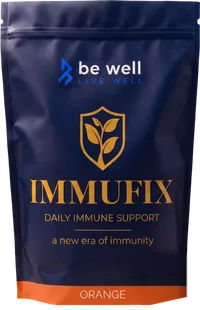

Daily Immune Support
Vitamins, minerals and plant nutrients in one daily scoop. The formula Paula Radcliffe has taken every day since 1998.
4.8 out of 5 · 89 reviewsMonthly subscription. £52.00 is charged every month until you cancel. Minimum three payments, then cancel any time. Subscription terms
New here? 20% off your first order with code TRYIMMUFIX. Apply it
Dispatched the same day on weekday orders placed before 2pm.
Free standard UK delivery. Royal Mail 48 tracked, 2 to 3 working days. UK addresses only.
30‑day money-back guarantee. Try your first pouch of IMMUFIX for up to 30 days. If it’s not for you, we’ll refund your first qualifying pouch, less £10 shipping and handling. First purchase only. T&Cs apply.
Checkout completes securely on immufix.com
More from the journal.
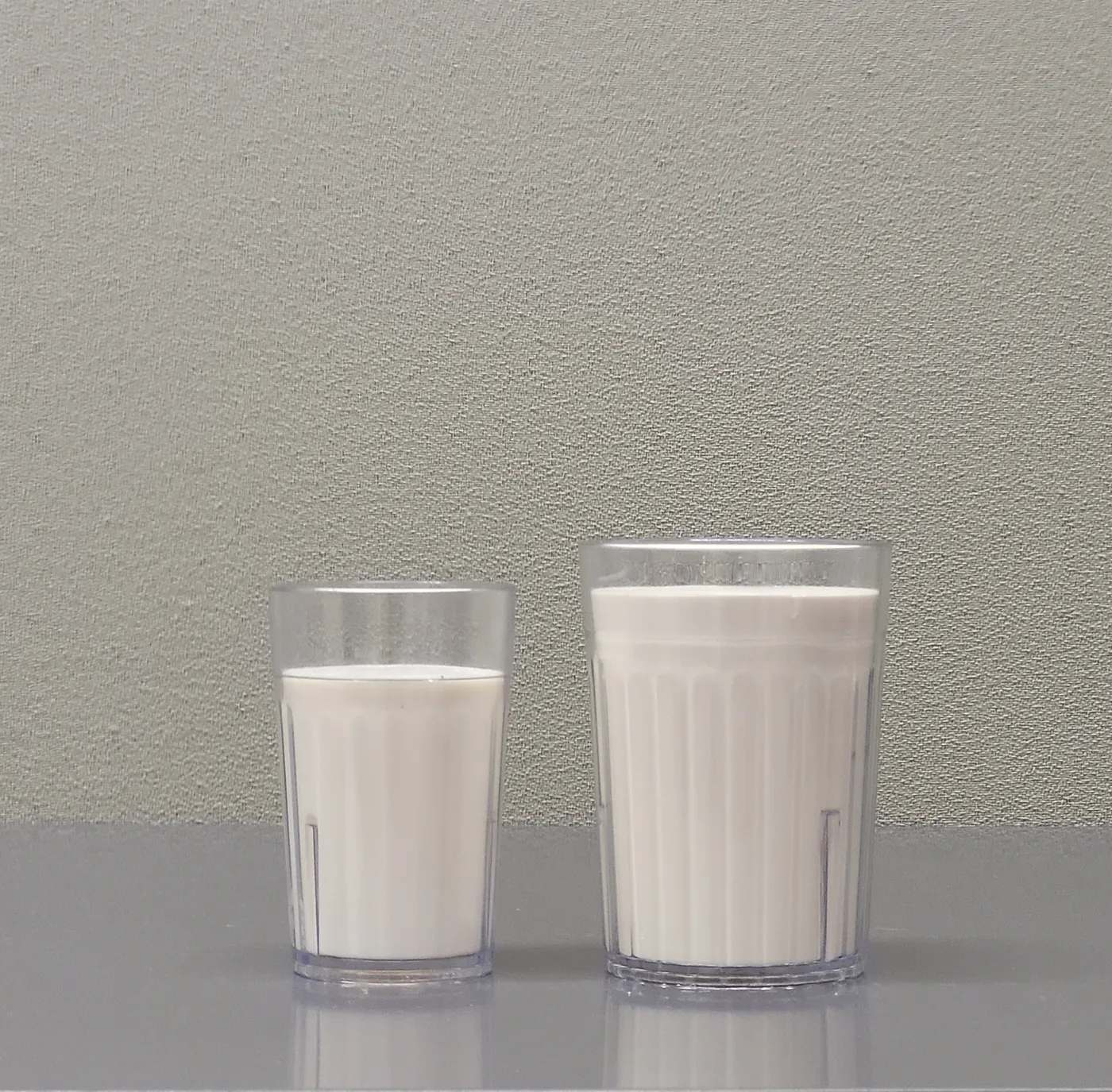
How much calcium you need each day.
The NHS says adults need 700mg of calcium a day. UK figures for every age, how milk, cheese and yoghurt add up, and the 1,500mg supplement line.
7 November 2026 · 6 min read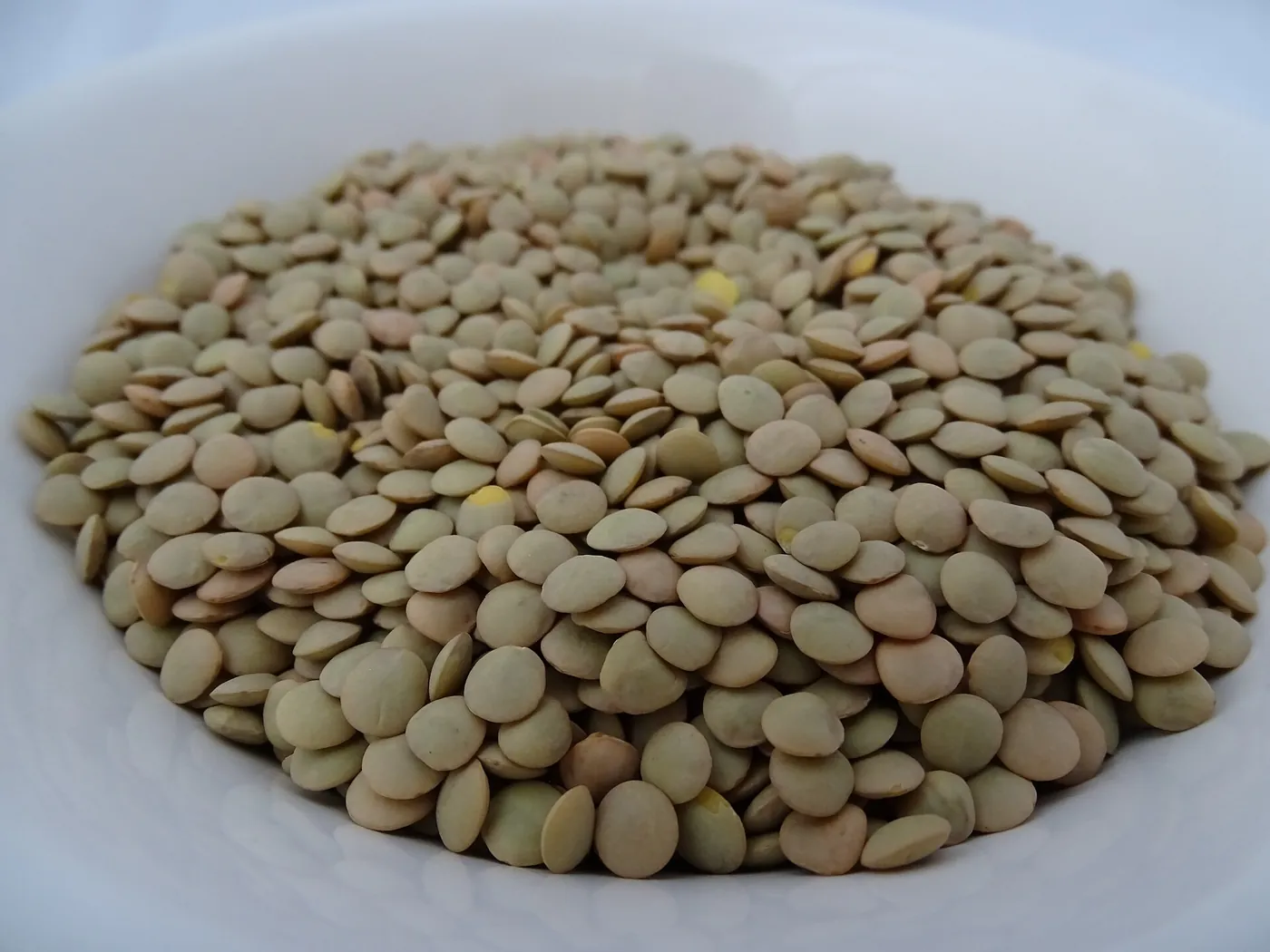
How much iron you need each day.
The NHS says men need 8.7mg of iron a day and women aged 19 to 49 need 14.8mg. UK figures for every age, iron-rich foods and the 17mg supplement line.
7 November 2026 · 6 min readThe foods highest in iron, per 100g.
The UK foods highest in iron per 100g from government data, the best iron rich foods for vegetarians, and how much iron adults need a day.
7 November 2026 · 6 min read