
Electrolytes, explained simply.
Electrolytes are minerals that carry an electric charge once they dissolve in your body's fluids. Most people get what they need from everyday food and drink, and runners mainly need to think about them on long or hot runs.
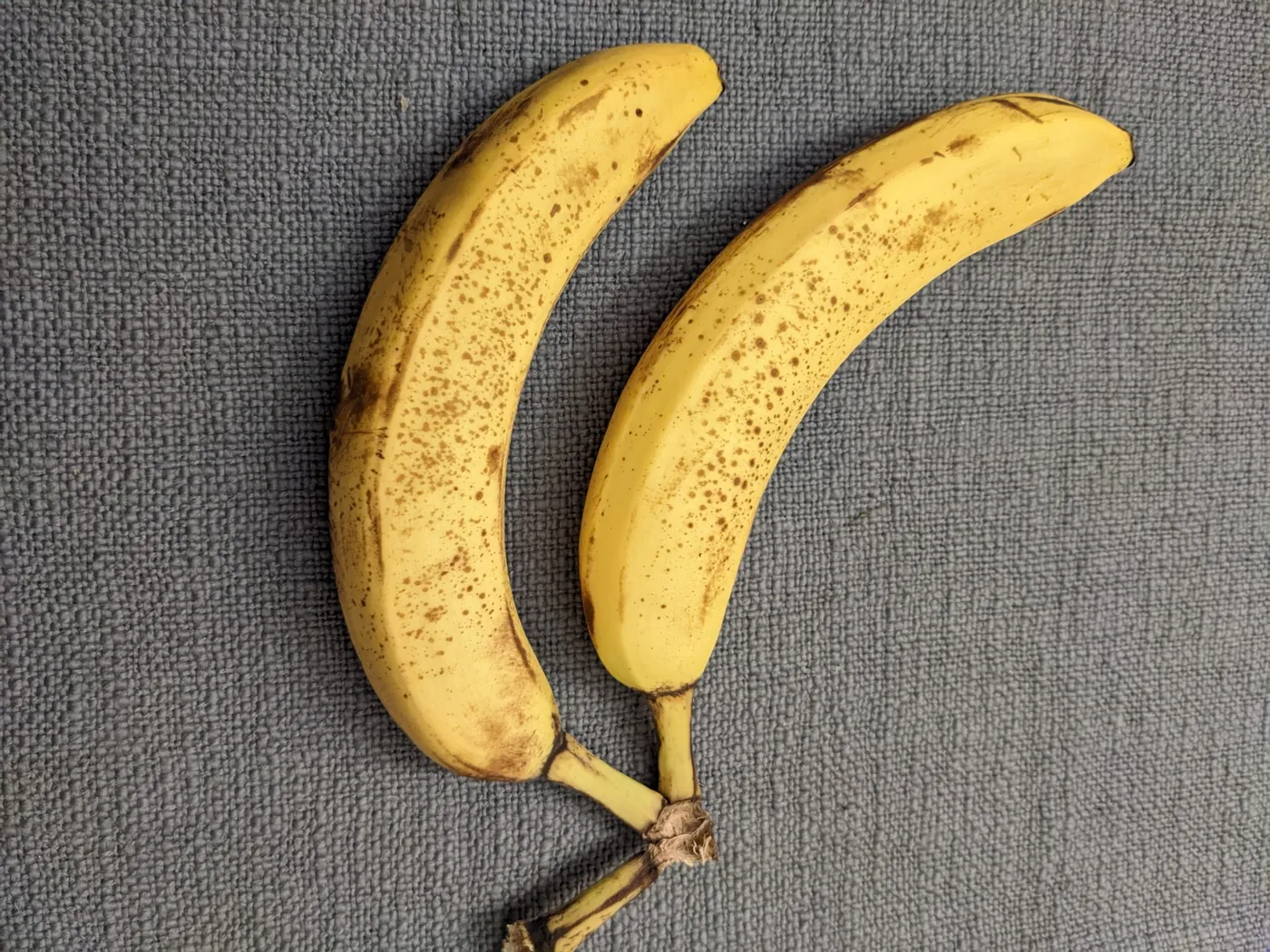
Quick answer. As for what electrolytes are, MedlinePlus, from the US National Library of Medicine, puts it simply: "Electrolytes are minerals that have an electric charge when they are dissolved in water or body fluids, including blood." The four that matter most for runners are sodium, potassium, chloride and magnesium. Most people get enough from a normal diet, and a National Athletic Trainers' Association position statement says "those participating in physical activity lasting less than 1 hour should require no substances other than water."
What are electrolytes?
Electrolytes are ordinary dietary minerals seen from a different angle. Once dissolved in blood, sweat and the fluid in and around your cells, they split into particles with a positive or negative charge. MedlinePlus lists the main ones as bicarbonate, calcium, chloride, magnesium, phosphate, potassium and sodium, and notes: "You get these electrolytes from the foods you eat and the fluids you drink."
Runners hear most about four of them: sodium, chloride, potassium and magnesium. Table salt is sodium chloride, so the salt in food supplies the first two together.
| Electrolyte | UK daily figure | Main food sources |
|---|---|---|
| Sodium | No more than 2.4g (6g salt) | Salt in bread, cereals, cheese, meat products and ready meals |
| Chloride | 800mg NRV | Mostly from salt, alongside sodium |
| Potassium | 3,500mg (NHS) | Potatoes, bananas, dried fruit, pulses, nuts and seeds, fish and meat |
| Magnesium | 300mg men, 270mg women (NHS) | Nuts, seeds, wholemeal bread, spinach |
The sodium, potassium and magnesium figures come from the NHS, for adults aged 19 to 64. The chloride figure is the nutrient reference value used on food labels, from Annex XIII of the food information regulation.
What does each electrolyte do?
Sodium and chloride
The NHS describes sodium chloride as "commonly known as salt" and says sodium and chloride are needed "in small amounts". The advice is a ceiling, not a target: "You should have no more than 6g of salt (2.4g of sodium) a day." Most people in the UK already eat more than that. The same page says "on average, people in the UK eat approximately 8g of salt (about 3.2g of sodium) a day". Bread is a steady source: wholemeal bread has 400mg of sodium and 660mg of chloride per 100g in CoFID 2021, so two 40g slices give about 0.8g of salt (calculated).
Potassium
Potassium contributes to normal muscle function. Adults need 3,500mg a day, and the NHS says "You should be able to get all the potassium you need from your daily diet." Per 100g in CoFID:
- Baked potato with skin: 600mg, so a 200g potato gives about 1,200mg (calculated)
- Ready-to-eat dried apricots: 1,039mg
- Almonds: 733mg
- Bananas: 330mg
- Semi-skimmed milk: 156mg, so a 250ml glass gives about 390mg (calculated)
Magnesium
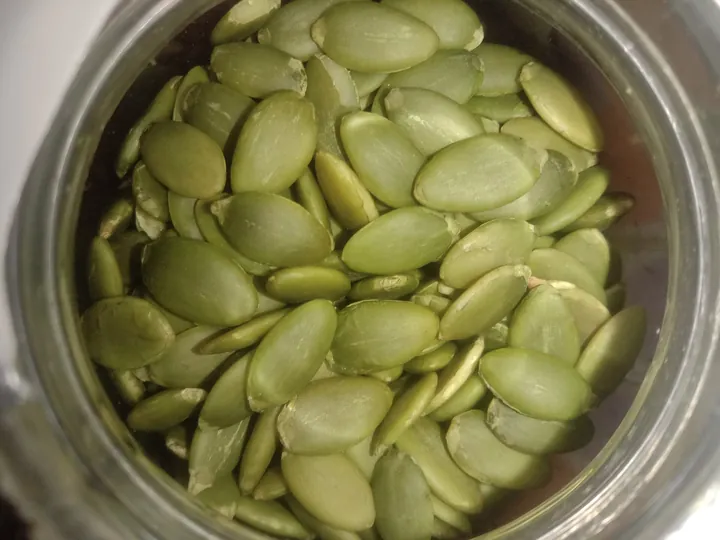
Magnesium contributes to electrolyte balance and to normal muscle function. The NHS gives 300mg a day for men and 270mg for women aged 19 to 64, found in spinach, nuts and wholemeal bread among other foods. Pumpkin seeds and almonds each have 270mg per 100g in CoFID, so a 30g handful gives about 81mg (calculated). Boiled spinach has 34mg per 100g and wholemeal bread 66mg. Our guide to magnesium-rich foods has a longer list.
Do I need electrolytes?
For most people on most days, no extra electrolytes are needed beyond food and drink. A normal diet already supplies more sodium than the body needs, and potassium and magnesium come from everyday foods. The NATA statement puts it plainly: "Under normal circumstances, physically active people consuming a well-balanced diet should not need to add specific ingredients to their fluids before, during, or after activity."
The NHS also says that the Department of Health and Social Care "says sodium chloride should not be used in supplements", and it warns against taking too much potassium as a supplement. Food is the place to get both. If you have a health condition or take medication that affects fluids or salts, ask your GP or pharmacist before changing anything.
Do runners need electrolytes?
It depends on how long and how hard you run, and how much you sweat. The NATA guidance in full:
- Under an hour: water is enough. Activity "lasting less than 1 hour should require no substances other than water."
- Over an hour, or hard intervals: runners "may benefit from adding carbohydrates or electrolytes (or both) to rehydration fluids, especially in extreme environments."
- Heavy, salty sweaters: people with high sweat rates and very salty sweat may benefit from added sodium, and NATA recommends an individual sweat assessment before supplementing.
The British Dietetic Association advises starting exercise well hydrated and restoring hydration afterwards "to replace water and salts lost in sweat". Its simple rule is to drink to "just stay ahead of thirst." Drinking far more than you sweat is also a risk. NATA notes that drinking water or sports drinks well beyond sweat losses can dilute the sodium in your blood, and that this is seen more often in events lasting over 4 hours.
Sweat rates and sweat sodium vary several times over between people. Our guide to hydration for runners shows how to measure your own sweat rate with a pair of scales.
How do I get electrolytes from food after a run?
A normal meal after a run replaces what most runners lose. A few easy combinations:
- A baked potato with beans and a glass of milk brings potassium, some sodium and fluid together.
- Wholemeal toast with nut butter and a sliced banana brings sodium from the bread, and potassium and magnesium from the rest.
- Porridge made with milk and topped with pumpkin seeds and dried apricots covers potassium and magnesium.
For longer races, our half marathon nutrition plan covers fuel and fluid on the day.
Where Immufix fits.
Immufix is a daily vitamin and mineral powder, not an electrolyte drink. One 25g scoop in around 200ml of water once a day gives 70mg of magnesium (19% NRV), and magnesium contributes to electrolyte balance and to normal muscle function. It also gives 1.25µg of vitamin D (25% NRV), which contributes to normal muscle function. That is well below the 10µg a day the NHS advises everyone to consider taking from October to March, so Immufix does not cover that advice. Immufix declares no sodium or potassium, so for longer runs your salt and fluid still come from food and drinks. Every amount is on the science page.
The short version.
- Electrolytes are minerals that carry an electric charge in body fluids. The four that matter most for runners are sodium, potassium, chloride and magnesium.
- On average, UK adults already eat more salt than the 6g a day maximum. Potassium and magnesium come from potatoes, fruit, nuts, seeds and wholemeal bread.
- For runs under an hour, water is enough.
- For runs over an hour, hard sessions or hot days, a drink with carbohydrate and electrolytes may help. Drink to stay just ahead of thirst, not far beyond it.
- Magnesium contributes to electrolyte balance and normal muscle function. Potassium contributes to normal muscle function.
Food supplements should not be used as a substitute for a varied, balanced diet and a healthy lifestyle. If you have a medical condition, are pregnant, breastfeeding or taking medication, speak to your GP or pharmacist before taking any food supplement.


Daily Immune Support
Vitamins, minerals and plant nutrients in one daily scoop. The formula Paula Radcliffe has taken every day since 1998.
4.8 out of 5 · 89 reviewsMonthly subscription. £52.00 is charged every month until you cancel. Minimum three payments, then cancel any time. Subscription terms
New here? 20% off your first order with code TRYIMMUFIX. Apply it
Dispatched the same day on weekday orders placed before 2pm.
Free standard UK delivery. Royal Mail 48 tracked, 2 to 3 working days. UK addresses only.
30‑day money-back guarantee. Try your first pouch of IMMUFIX for up to 30 days. If it’s not for you, we’ll refund your first qualifying pouch, less £10 shipping and handling. First purchase only. T&Cs apply.
Checkout completes securely on immufix.com
More from the journal.

Vitamins for runners, food first.
Which vitamins and minerals runners need, why food comes first, the NHS vitamin D advice for autumn and winter, iron, calcium and the authorised claims.
10 October 2026 · 7 min read
Folate rich foods, portion by portion.
The UK foods highest in folate per 100g and per portion from government data, with how much adults need and the NHS folic acid advice.
7 November 2026 · 6 min readPotassium rich foods, beyond the banana.
The UK foods highest in potassium per 100g from government data, where bananas really rank, and how much potassium adults need a day.
7 November 2026 · 5 min read