
The clocks go back. Here's what changes.
At 2am on Sunday 25 October the clocks in the UK go back one hour. You get an extra hour in bed, lighter mornings for a few weeks, and much darker evenings. Then the mornings catch up.
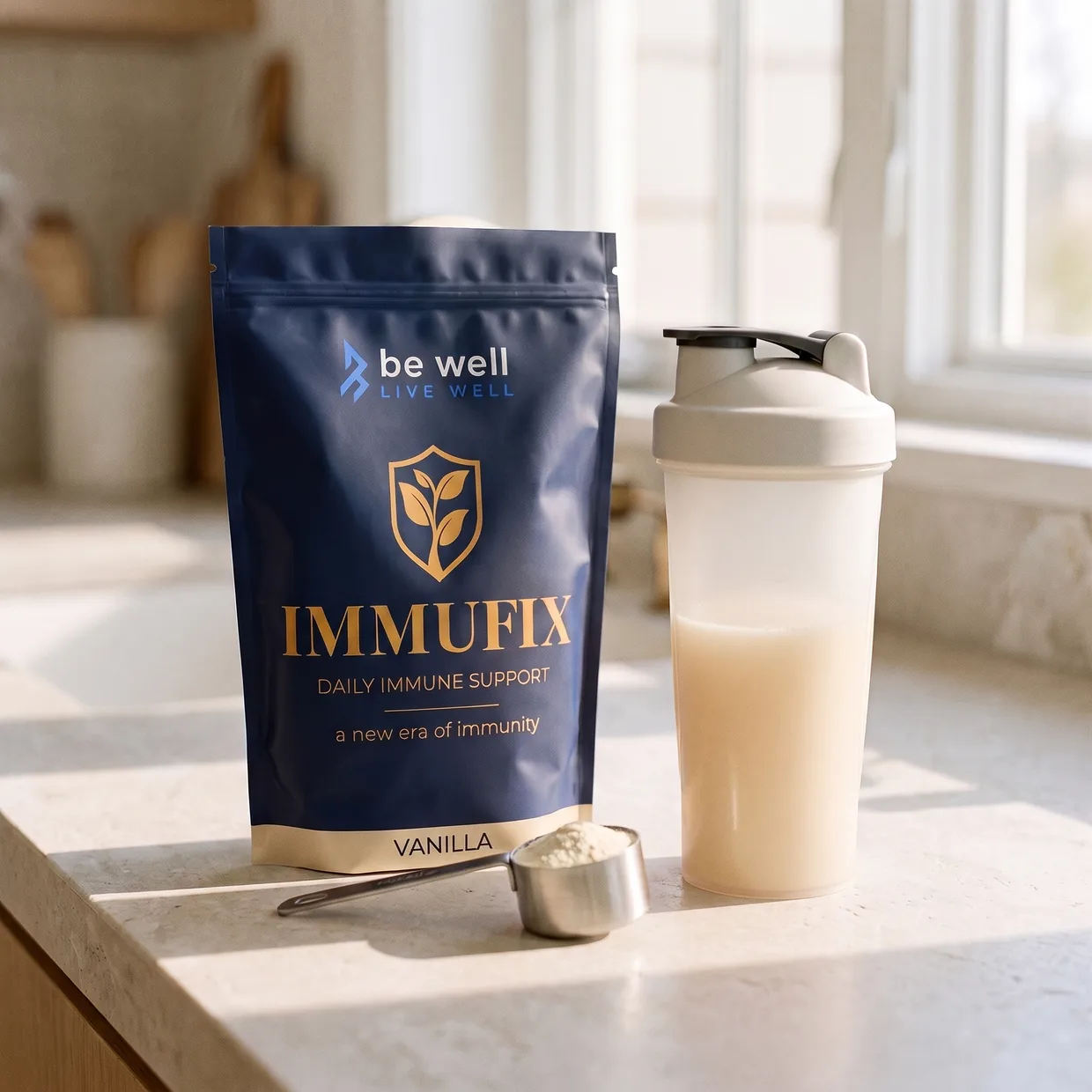
Quick answer. In 2026 the clocks go back at 2am on Sunday 25 October, and forward again at 1am on Sunday 28 March 2027. Going back makes mornings lighter and evenings darker straight away. In London the latest sunrises, around 8am, come at the turn of the year.
When do the clocks go back?
The rule is simple. According to GOV.UK, the clocks go "back 1 hour at 2am on the last Sunday in October", and "forward 1 hour at 1am on the last Sunday in March." For this winter that means:
- Back: 2am on Sunday 25 October 2026, when British Summer Time ends.
- Forward: 1am on Sunday 28 March 2027.
Phones and most connected clocks change themselves. The oven, the car and the bedside clock usually do not.
Is it darker in the morning after the clocks go back?
No. For the first few weeks it is lighter. The clocks move an hour of daylight from the evening to the morning, so sunrise jumps an hour earlier overnight and sunset jumps an hour earlier too.
What people notice is the evening. On Saturday 24 October the sun sets in London at 17:51. On the Sunday it sets at 16:49, and from then on most people finish work in the dark.
The mornings get darker again soon enough, because the days keep shortening until 21 December. By late November sunrise in London is back after 07:30.
When are the darkest mornings and evenings?
The shortest day is 21 December, but the earliest sunsets and the latest sunrises do not fall on it. They are spread either side, because of the way the Earth's orbit and tilt combine.
- Earliest sunsets: around 14 December in London, at about 15:52. Edinburgh's earliest is about 15:38.
- Latest sunrises: around New Year. London's sun rises at about 08:06 on 31 December, Manchester's at about 08:25 and Edinburgh's at about 08:44.
- From January, the evenings pull out first. The mornings follow more slowly.
These times are calculated for each city and can differ by a minute from published tables.
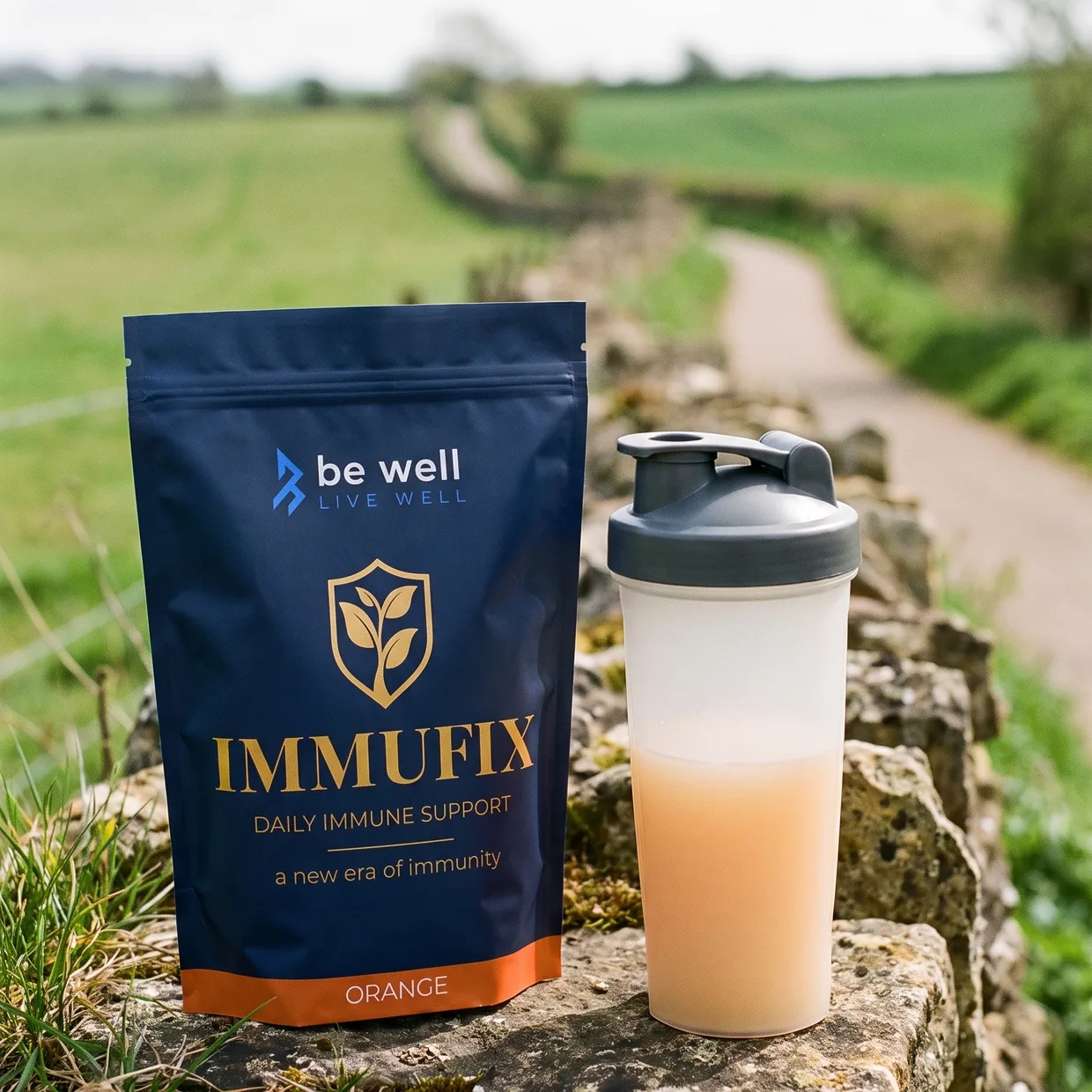
How to cope with the dark mornings and evenings.
None of this needs a new regime. It needs a routine that does not depend on the light outside.
Keep the same wake-up time.
The extra hour on 25 October is welcome, but the easiest week after the change is the one where you get up at the same time every day. It is also the first tip in the NHS's advice on sleeping better: "Keep a regular sleep routine."
Get outside while it is light.
From November the light is short and usually in the middle of the day. A walk at lunchtime, or the first part of the commute on foot, is often the only daylight you will see on a working day. Make it a fixed part of the week rather than a hope.
Move the exercise, do not drop it.
If your evening run or walk now happens in the dark, either plan a lit route and wear something bright and reflective, or move the session to the morning or lunchtime. We wrote a full guide to running through a UK winter.
Eat a proper breakfast.
Dark mornings make it tempting to skip it. The NHS's self-help tips for tiredness start with eating "regular meals and healthy snacks every 3 to 4 hours", and a breakfast you have set up the night before is the one you will actually eat.
Put the routine on the counter.
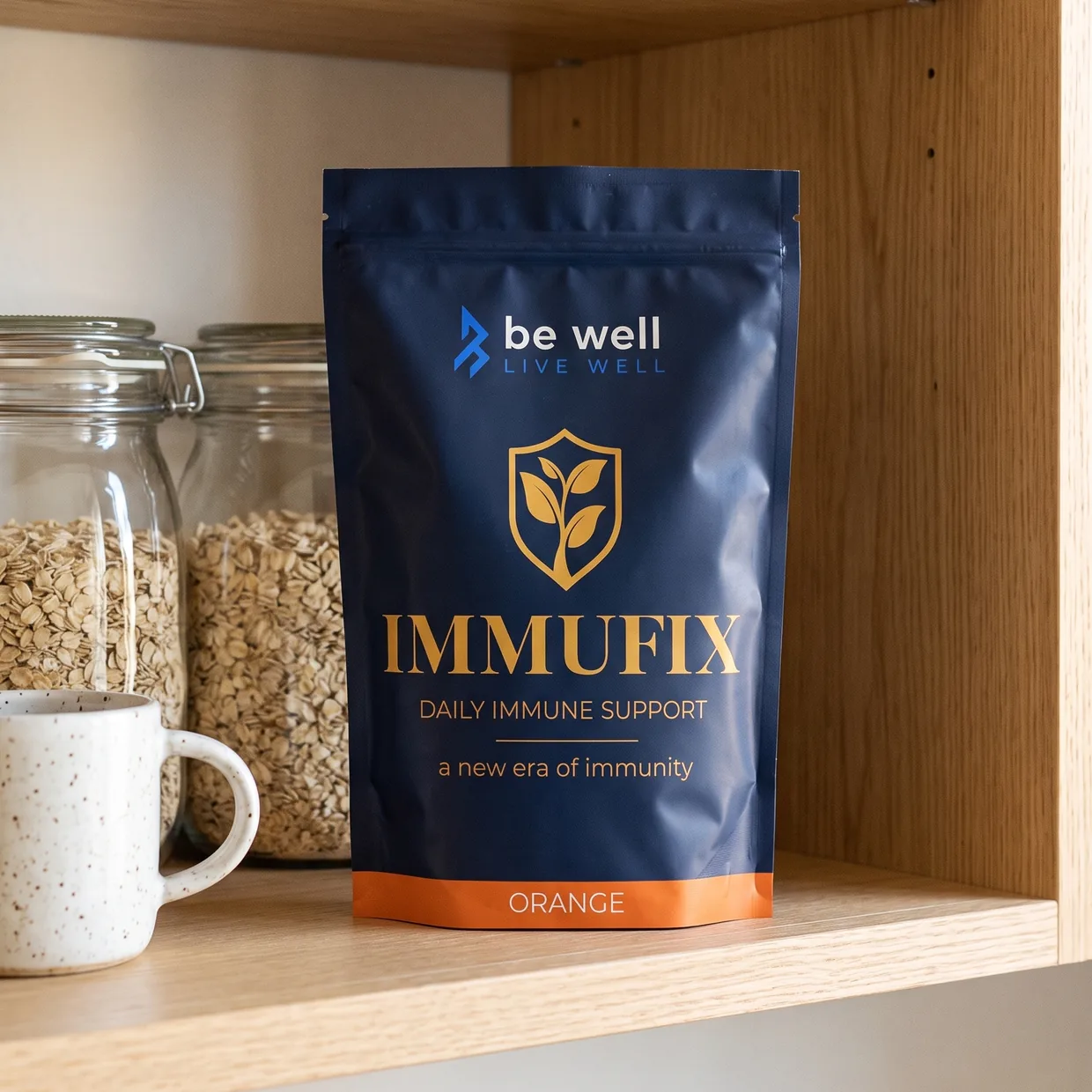
The things you do every morning work best when they need no decision. Keep them in sight: the kettle, the oats, the scoop.
Where Immufix fits.
Immufix is one 25g scoop in around 200ml of water, once a day. Most people take it with breakfast so the habit sticks, whatever time the sun comes up. B vitamins and magnesium contribute to normal energy-yielding metabolism and to the reduction of tiredness and fatigue. Every ingredient and amount is on the science page.
The short version.
- The clocks go back at 2am on Sunday 25 October 2026 and forward at 1am on Sunday 28 March 2027.
- Mornings get lighter for a few weeks. Evenings get dark straight away.
- The earliest sunsets are in mid-December. The latest sunrises are around New Year.
- Keep the same wake-up time, get outside in daylight, and set breakfast up the night before.
Food supplements should not be used as a substitute for a varied, balanced diet and a healthy lifestyle. If you have a medical condition, are pregnant, breastfeeding or taking medication, speak to your GP or pharmacist before taking any food supplement.

Daily Immune Support
Vitamins, minerals and plant nutrients in one daily scoop. The formula Paula Radcliffe has taken every day since 1998.
4.8 out of 5 · 89 reviewsDispatched the same day on weekday orders placed before 2pm.
Free standard UK delivery. Royal Mail 48 tracked, 2 to 3 working days. UK addresses only.
30‑day money-back guarantee. Try your first pouch of IMMUFIX for up to 30 days. If it’s not for you, we’ll refund your first qualifying pouch, less £10 shipping and handling. First purchase only. T&Cs apply.
Checkout completes securely on immufix.com
More from the journal.
Healthy breakfasts, quick enough for a weekday.
Healthy breakfast ideas from the NHS's own recipes, compared by time, protein, fibre and salt, plus quick breakfasts and how to pick a cereal by its label.
10 October 2026 · 6 min read
How to build a habit that actually sticks.
How to build a habit, from UCL research: pick one action, tie it to a daily cue and repeat it. It took 18 to 254 days in the study, about 66 on average.
10 October 2026 · 6 min read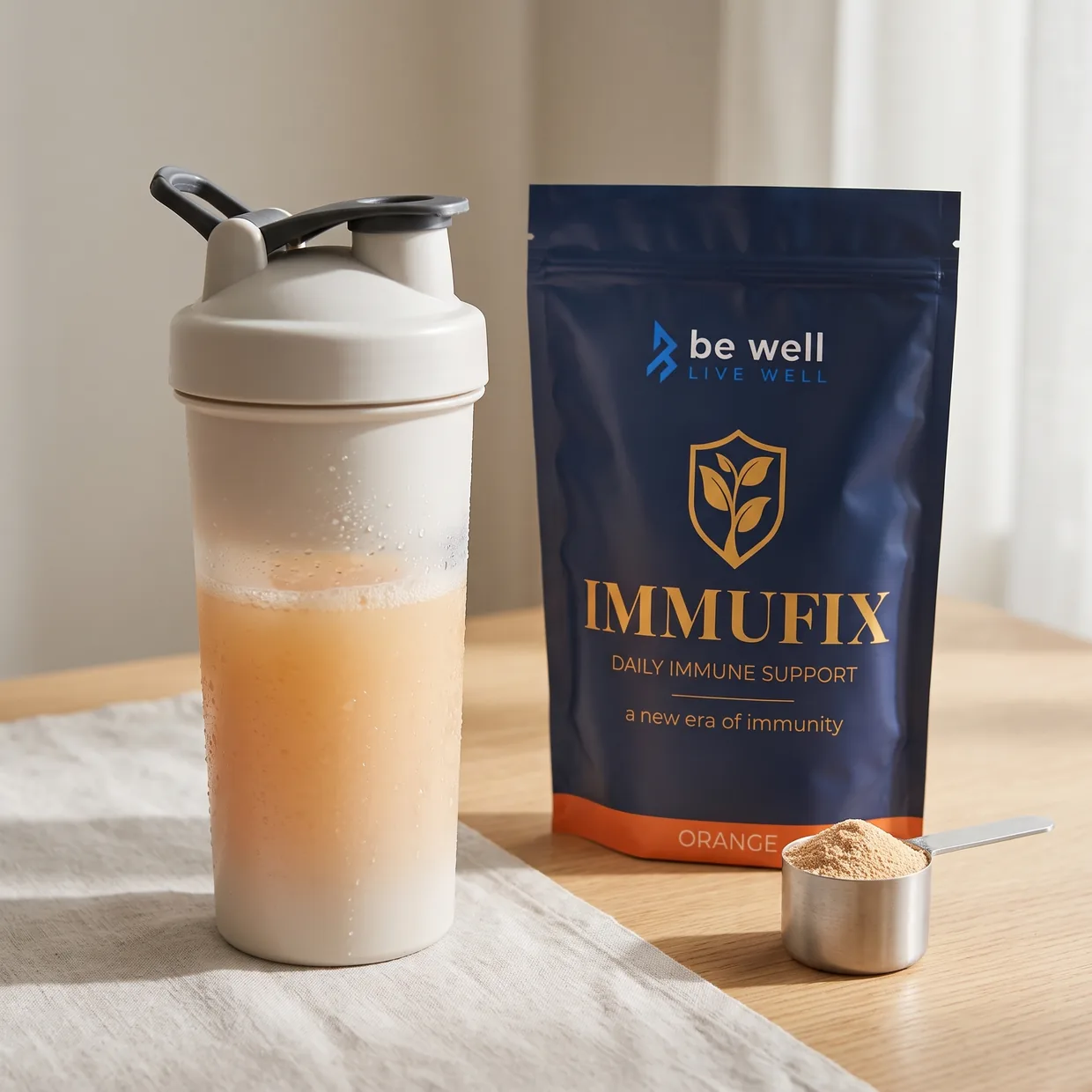
Getting up when it is still dark outside.
Practical ways to wake up on dark UK winter mornings: light, a steady routine, alarms that help and the NHS's sleep advice, with calculated sunrise times.
10 October 2026 · 6 min read