
The shortest day of 2026 is Monday 21 December.
The winter solstice falls at 8.50pm GMT on Monday 21 December 2026. London gets 7 hours 50 minutes of daylight that day, Edinburgh just under 7 hours. From the next morning, the light starts coming back.
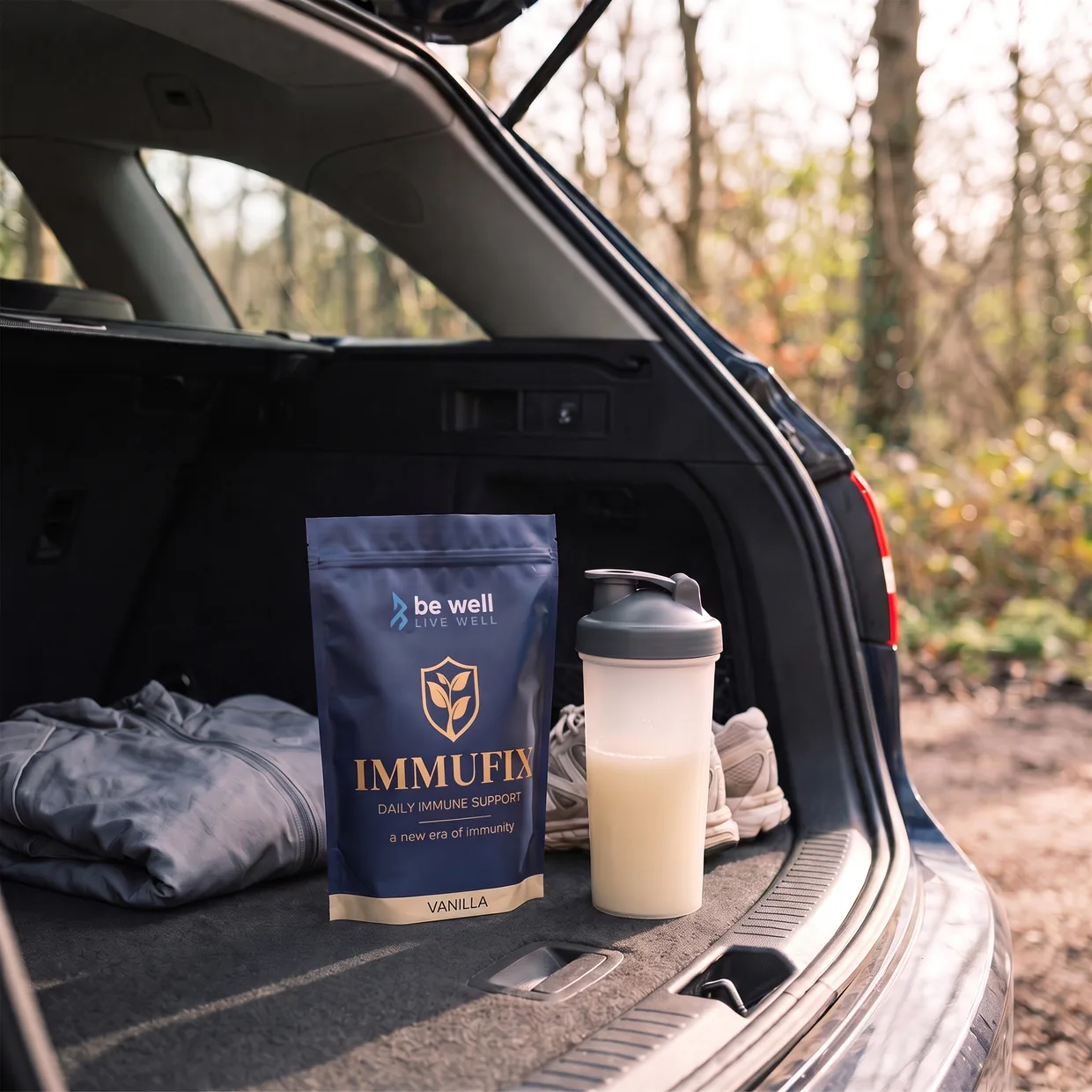
Quick answer. The shortest day of the year in the UK in 2026 is Monday 21 December. The Royal Observatory Greenwich says the winter solstice will occur "at 8.50pm GMT in the UK", and that the shortest day "lasts 7 hours 49 minutes and 42 seconds in London". Edinburgh gets about 6 hours 58 minutes of daylight and Lerwick about 5 hours 49 minutes (calculated).
When is the shortest day of the year in the UK in 2026?
Monday 21 December 2026. Royal Museums Greenwich, which runs the Royal Observatory, says: "In 2026 the winter solstice will occur on Monday 21 December" (Royal Museums Greenwich).
The solstice is a moment, not a whole day. It is the instant the North Pole's tilt away from the sun is at its greatest. The US Naval Observatory's astronomical data gives the same time as the Royal Observatory: 20:50 Universal Time on 21 December 2026 (USNO Earth's seasons). The UK is on GMT in December, so that is 8.50pm by the clock.
What time is the winter solstice in the UK in 2026?
8.50pm GMT on Monday 21 December. By that time the sun has already set everywhere in the UK, so the moment itself happens in the dark.
The date moves a little from year to year, because the calendar year and the Earth's orbit do not line up exactly. The same US Naval Observatory data puts the next one at 02:42 on Wednesday 22 December 2027, which is why the solstice is sometimes on the 22nd.
How much daylight will UK cities get on 21 December 2026?
We calculated sunrise, sunset and daylight for each city using the NOAA solar position method. Our London figure, 7 hours 49 minutes 40 seconds, is within two seconds of the Royal Observatory's.
| 21 Dec 2026 | Sunrise | Sunset | Daylight |
|---|---|---|---|
| Plymouth | 08:14 | 16:15 | 8h 01m |
| London | 08:04 | 15:53 | 7h 50m |
| Cardiff | 08:16 | 16:06 | 7h 50m |
| Birmingham | 08:16 | 15:55 | 7h 39m |
| Manchester | 08:23 | 15:51 | 7h 28m |
| Belfast | 08:44 | 15:59 | 7h 15m |
| Newcastle | 08:29 | 15:40 | 7h 10m |
| Glasgow | 08:46 | 15:44 | 6h 59m |
| Edinburgh | 08:42 | 15:40 | 6h 58m |
| Aberdeen | 08:46 | 15:27 | 6h 41m |
| Inverness | 08:57 | 15:33 | 6h 36m |
| Lerwick | 09:08 | 14:57 | 5h 49m |
Calculated, GMT, rounded to the nearest minute. Published tables can differ by a minute depending on rounding and the exact point used for each city.
Latitude does most of the work: Plymouth gets more than two hours more daylight than Lerwick. Longitude changes the clock times instead. Belfast and Newcastle sit at almost the same latitude and get similar day lengths, but Belfast is further west, so its sun rises about 15 minutes later and sets about 19 minutes later by the clock. How those hours compare with the actual sunshine is in our guide to UK daylight hours in winter.
Is 21 or 22 December the shortest day?
In 2026 it is the 21st, but only just. Around the solstice the length of the day barely changes. In London, 20, 21 and 22 December are all within 6 seconds of each other, and the 22nd is only about one second longer than the 21st (calculated). That is why you will see both dates quoted.
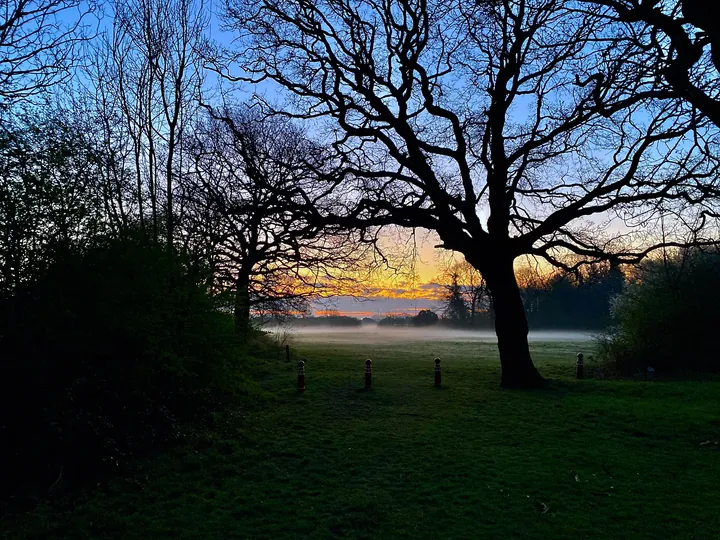
Are the darkest evenings on the shortest day?
No. The earliest sunsets come about a week before the solstice and the latest sunrises about a week after it. This happens because the time of solar noon drifts later through December.
- Earliest sunset: about 15:51 in London around 12 December, about 15:38 in Edinburgh around 14 December.
- Latest sunrise: about 08:06 in London around 30 December, about 08:44 in Edinburgh around 29 December.
Sunset times change by seconds a day at their earliest, so they hold at the same minute for several days either side. (All calculated for 2026.) Our piece on the clocks going back covers what that means for a working day.
When do the days get longer after the winter solstice?
From 22 December, slowly at first. The evenings recover before the mornings do. In London:
- Sunset is back to 16:00 on 31 December and 16:30 on 21 January.
- Daylight passes 8 hours on 5 January, 9 hours on 29 January and 10 hours on 15 February.
- By 21 February there are 10 hours 23 minutes of daylight, 2 and a half hours more than on the solstice.
Calculated for 2026 to 2027. The Royal Observatory adds a reminder that the shortest day is not the coldest: "The coldest temperatures during the day are generally felt some time after the shortest day has passed."
Is the solstice the start of winter?
It depends on the definition. Astronomers count the solstice as the first day of winter. Meteorologists use whole months, so for them winter starts on 1 December. Royal Museums Greenwich explains both on the same page.
Either way, the UK sun is too low at this time of year for skin to make vitamin D. The NHS says "between October and early March we do not make enough vitamin D from sunlight" (NHS), and it advises everyone to consider a 10 microgram supplement a day in autumn and winter. The full advice is in our guide to vitamin D in a UK winter.
Where Immufix fits.
The shortest days are when a routine that needs no daylight helps most. Immufix is one scoop (25g) in around 200ml of water, once a day, and most people take it with breakfast. A scoop contains 1.25 micrograms of vitamin D3, 25% of the nutrient reference value, which is well below the NHS's 10 micrograms for the winter months. If you follow that advice, take a dedicated vitamin D supplement and count the 1.25 micrograms in your total.
Vitamin D contributes to normal muscle function and the maintenance of normal bones. B vitamins and magnesium contribute to normal energy-yielding metabolism and to the reduction of tiredness and fatigue. Every amount is listed on the science page.
The short version.
- The shortest day of 2026 in the UK is Monday 21 December. The solstice is at 8.50pm GMT.
- London gets 7 hours 50 minutes of daylight, Edinburgh 6 hours 58 minutes and Lerwick 5 hours 49 minutes (calculated).
- The earliest sunsets come around 12 to 14 December and the latest sunrises around 29 to 30 December.
- London is back to 9 hours of daylight on 29 January and 10 hours on 15 February.
- Winter sun is too weak for vitamin D. The NHS advises considering 10 micrograms a day from October to March.
Food supplements should not be used as a substitute for a varied, balanced diet and a healthy lifestyle. If you have a medical condition, are pregnant, breastfeeding or taking medication, speak to your GP or pharmacist before taking any food supplement.

Daily Immune Support
Vitamins, minerals and plant nutrients in one daily scoop. The formula Paula Radcliffe has taken every day since 1998.
4.8 out of 5 · 89 reviewsDispatched the same day on weekday orders placed before 2pm.
Free standard UK delivery. Royal Mail 48 tracked, 2 to 3 working days. UK addresses only.
30‑day money-back guarantee. Try your first pouch of IMMUFIX for up to 30 days. If it’s not for you, we’ll refund your first qualifying pouch, less £10 shipping and handling. First purchase only. T&Cs apply.
Checkout completes securely on immufix.com
More from the journal.

The clocks go forward on Sunday 28 March 2027.
The UK clocks go forward at 1am on Sunday 28 March 2027. What changes, how much lighter the evenings get city by city, and how to handle the lost hour.
10 October 2026 · 6 min read
Your 5 A Day in the winter months.
NHS 5 A Day portion sizes explained: 80g of fruit or veg, 30g dried, 150ml juice. What counts in winter, including frozen, tinned and soup, and a sample day.
10 October 2026 · 6 min read
A new year routine that lasts past January.
How to build a new year routine that lasts past January: small goals tied to a daily cue, what UK guidelines suggest, and how long a habit really takes.
10 October 2026 · 7 min read