
How much sleep adults really need.
The NHS figure is 7 to 9 hours a night for adults, on average. How much you need within that range is personal, and keeping the same times every day matters as much as the total.
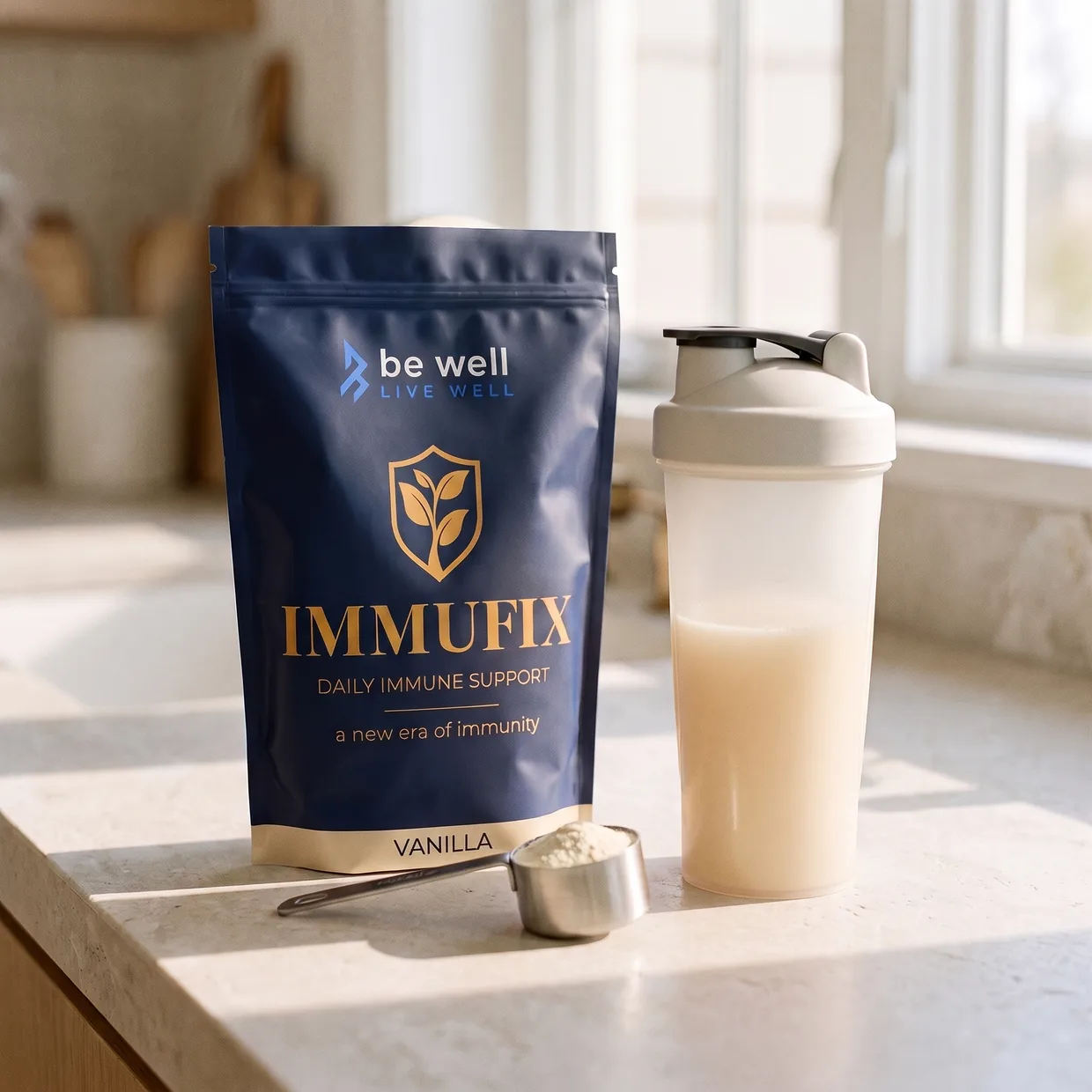
Quick answer. The NHS says "Everyone needs different amounts of sleep" and that, on average, "adults need 7 to 9 hours". It adds: "You probably do not get enough sleep if you're constantly tired during the day." The NHS's first tip for better sleep is a regular routine, going to bed and getting up at similar times each day, including days off.
How much sleep do adults need in the UK?
The NHS gives the figures on its page about sleep problems, under the heading "How much sleep you need". It starts with "Everyone needs different amounts of sleep", then gives averages:
The same 7 to 9 hour range appears in the recommendations of an 18-member expert panel convened by the US National Sleep Foundation, published in 2015. The panel agreed on "7 to 9 hours for young adults and adults, and 7 to 8 hours of sleep for older adults". It also noted that "Sufficient sleep duration requirements vary across the lifespan and from person to person" (Hirshkowitz and colleagues, 2015).
So 7 to 9 hours is a range, not a single target. Some adults feel fine on 7, others need closer to 9.
How do I know if I'm getting enough sleep?
The NHS test is simple: "You probably do not get enough sleep if you're constantly tired during the day." The NHS self-help page on tiredness makes the same point: "Many people don't get the sleep they need to stay alert through the day."
A practical way to find your own number is to look at a week off, or a run of weekends. If you wake without an alarm after about the same amount of sleep each day and feel alert, that is a fair guide to what you need. If you rely on long lie-ins at the weekend to catch up, your weekday sleep is probably short.
What time should I go to bed?
Work back from the time you need to get up. This table shows lights-out times for three common alarm times, calculated by subtracting 7, 8 and 9 hours. It does not include the time it takes to fall asleep, so allow a little extra.
| Alarm | For 7 hours | For 8 hours | For 9 hours |
|---|---|---|---|
| 06:00 | 23:00 | 22:00 | 21:00 |
| 06:30 | 23:30 | 22:30 | 21:30 |
| 07:00 | 00:00 | 23:00 | 22:00 |
Why does a regular sleep routine matter?
Because the body learns the pattern. The NHS's sleep advice on Every Mind Matters puts it first: "Keep a regular sleep routine". It explains that "going to bed and getting up at similar times each day helps your body know when it's time to sleep", and adds: "Try to keep your routine the same when you can, even on days when you're not working."
The NHS also advises getting up at the same time every day, and not sleeping in after a bad night: "stick to your regular sleeping hours instead". A fixed wake-up time is often easier to hold than a fixed bedtime, and it pulls bedtime into line over a few days. When mornings are dark, routine has to do more of the work. Our guide on how to wake up when it is still dark covers light and alarms.
NHS tips to sleep better.
The NHS advice, drawn from its sleep and tiredness pages:
- Keep the same times. Go to bed and get up at similar times every day, weekends included.
- Relax before bed. "Try not to use phones, tablets or computers for an hour before bed." The NHS suggests reading, breathing exercises or calming music instead.
- Make the bedroom quiet, dark and cool. Close the curtains fully, keep clocks out of view, put your phone face down and on silent, and try earplugs or an eye mask if needed.
- Watch caffeine. "Tea, coffee and some soft drinks contain caffeine, which can make you feel more awake." The NHS notes caffeine's effects "can last up to 7 hours". Our guide to daily caffeine limits has the figures for common drinks.
- Alcohol, nicotine and late meals. The NHS suggests avoiding alcohol and nicotine for 1 to 2 hours before bed, and says large meals close to bedtime may make it harder to fall asleep.
- Do not force it. The NHS says that "if you're still awake after around 20 minutes, get up and sit somewhere comfortable", then go back to bed when you feel sleepy.
- Be active, earlier. Regular activity "can also help you sleep better too". If exercising close to bedtime affects your sleep, the NHS suggests "being active earlier in the day".
- Skip daytime naps. The NHS tiredness page lists "avoiding naps in the day" among its tips for sleeping well.
When to speak to a GP.
If you have had trouble sleeping for months, if changing your habits has not helped, or if tiredness is affecting your daily life, see a GP. The NHS also notes that if you feel an overwhelming tiredness that is not relieved by rest and sleep, you should consult a GP for advice.
Where Immufix fits.
Immufix will not replace sleep, and it is not a sleep aid. It is one scoop (25g) in around 200ml of water, once a day, and taken at the same time each morning it can sit inside the routine the NHS recommends. Vitamin C, riboflavin, niacin, pantothenic acid, vitamin B6, folic acid and magnesium contribute to the reduction of tiredness and fatigue. Every amount is listed on the science page.
The short version.
- The NHS says adults need 7 to 9 hours of sleep on average, and that needs differ from person to person.
- If you are constantly tired during the day, you are probably not getting enough.
- Work back from your alarm: a 06:30 alarm and 8 hours means lights out at 22:30.
- Keep the same bedtime and wake-up time every day, including days off.
- Screens away an hour before bed, caffeine early, bedroom quiet, dark and cool.
Food supplements should not be used as a substitute for a varied, balanced diet and a healthy lifestyle. If you have a medical condition, are pregnant, breastfeeding or taking medication, speak to your GP or pharmacist before taking any food supplement.

Daily Immune Support
Vitamins, minerals and plant nutrients in one daily scoop. The formula Paula Radcliffe has taken every day since 1998.
4.8 out of 5 · 89 reviewsDispatched the same day on weekday orders placed before 2pm.
Free standard UK delivery. Royal Mail 48 tracked, 2 to 3 working days. UK addresses only.
30‑day money-back guarantee. Try your first pouch of IMMUFIX for up to 30 days. If it’s not for you, we’ll refund your first qualifying pouch, less £10 shipping and handling. First purchase only. T&Cs apply.
Checkout completes securely on immufix.com
More from the journal.
Cold weather, short days and feeling tired.
Does cold weather make you tired? What research shows about winter, sleep and daylight, what is still unknown, and the routine changes that help most.
10 October 2026 · 6 min read
How much caffeine is too much in a day.
UK guidance puts the limit at 400mg of caffeine a day for most adults, 200mg in pregnancy. What that means in mugs of tea and coffee, and how to cut down.
10 October 2026 · 6 min read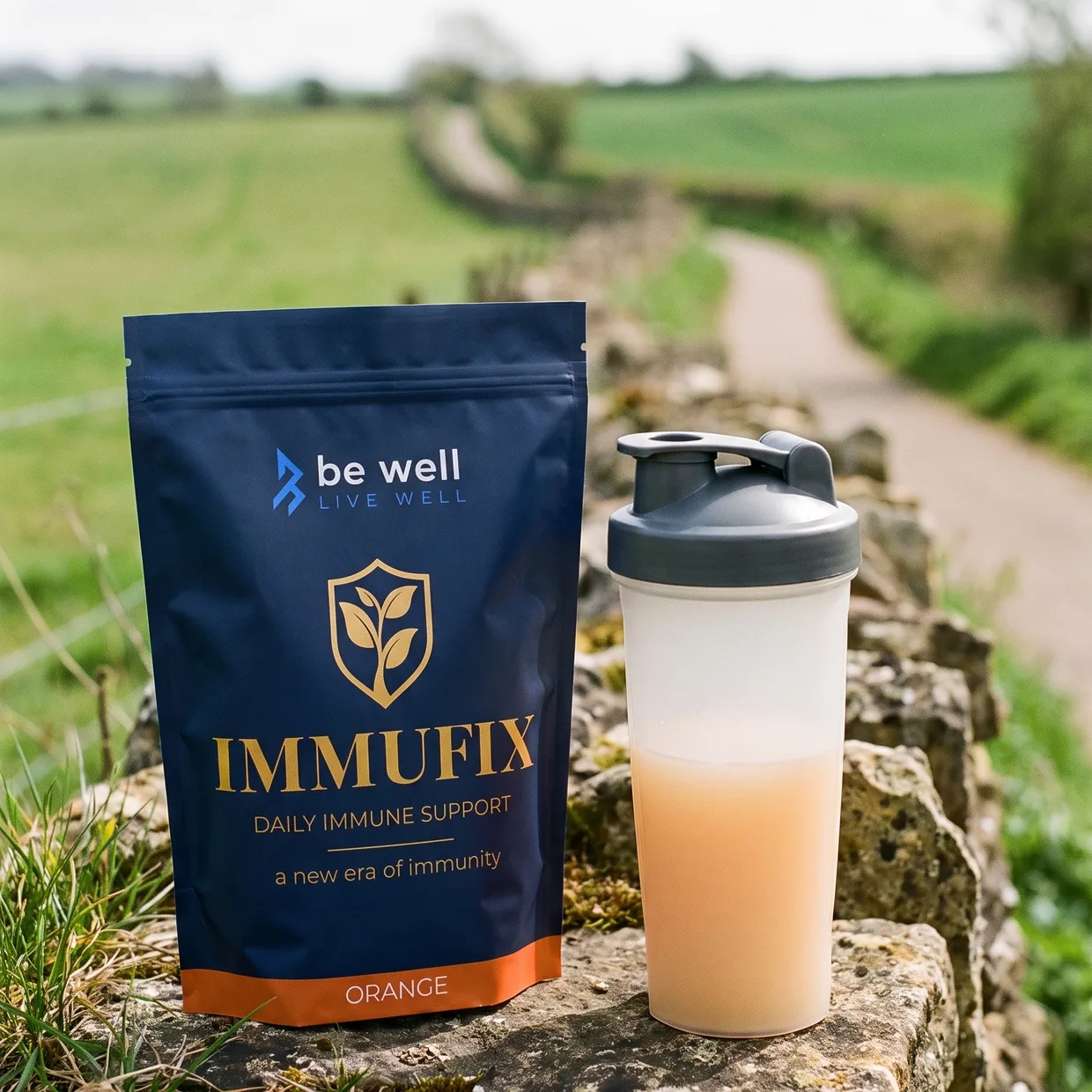
How much exercise you need each week.
The NHS and UK Chief Medical Officers say 150 minutes of moderate or 75 of vigorous activity a week, plus strength on 2 days. What counts and how to fit it in.
10 October 2026 · 6 min read