89 %
Vitamin C contributes to the normal function of the immune system, to the reduction of tiredness and fatigue, and to normal collagen formation.
13.6kcal
in an 80 g portion
17 kcal per 100 g.
Source: UK CoFID 2021, record 13-525, 22 analysed samples. Checked 5 October 2026.
0.08 gFat
0.64 gProtein
1.9 gFibre
89 %Daily vitamin C
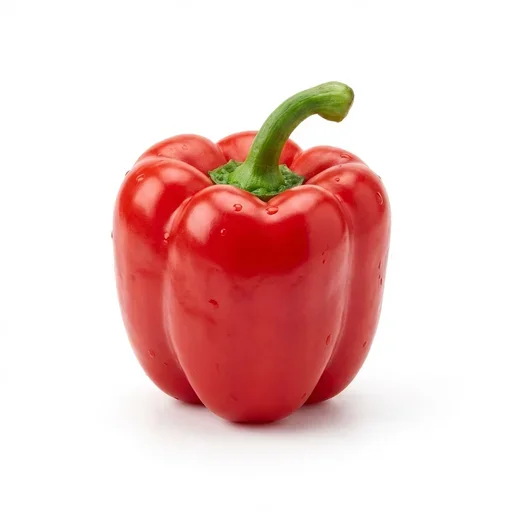
More than half of a portion is water. The rest is 2.7 g carbohydrate and 1.9 g fibre.
Pepper is 17 kcal per 100 g. The 240 vegetables in this database average 59.9.
3.3 g of sugars per 100 g; the UK “low sugars” line is 5 g.
One of the 23 recorded reach the “high in” level. Vitamin C leads.
Vitamin C contributes to the normal function of the immune system, to the reduction of tiredness and fatigue, and to normal collagen formation.
Badges use the UK legal thresholds per 100 g: 15 % of the reference intake for “source of”, 30 % for “high in”. A trace is shown as “trace” and never counts.
No recorded vitamin D or selenium, and only 2 % of the zinc reference intake per 100 g.
100 mgVitamin C, 125 %
0.075 mgSelenium, 136 %
0.00125 mgVitamin D, 25 %
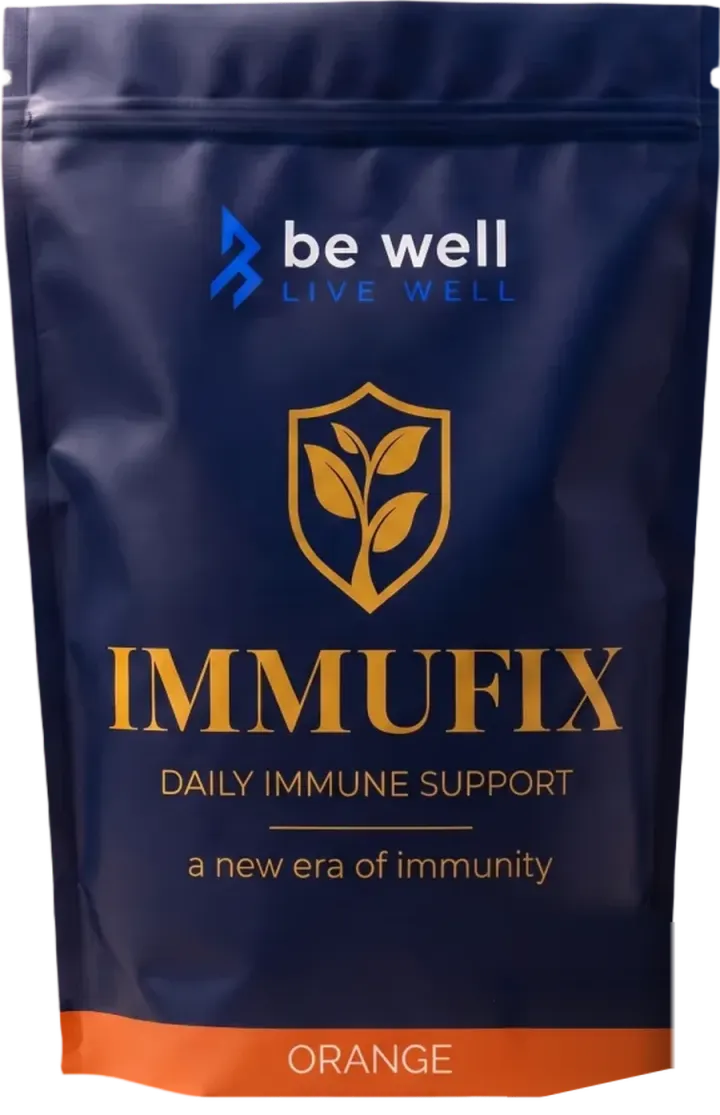
Every 25 g scoop declares 100 mg of vitamin C, 0.00125 mg of vitamin D and 0.075 mg of selenium, alongside other vitamins and minerals. Vitamin C, vitamin D and selenium contribute to the normal function of the immune system.
30-day money-back on your first pouch. 75 kcal and 9.9 g of sugars a scoop.
30-day money-back guarantee on your first qualifying pouch, less £10 shipping and handling.
Free standard delivery to UK addresses. Royal Mail 48 tracked, usually 2 to 3 working days.
Made in the UK since 1998, with every nutrient and its declared amount listed on the label.
Per 100 g, pepper has the most vitamin C of the 5 here, ahead of brussels sprouts (boiled).
All values per 100 g, from the same dataset. Differences are against pepper.

Since that first introduction in 1998, Immufix has remained a constant in my life.
Paula Radcliffe, ambassador and co-owner. Read her story
Paula Radcliffe has taken the same formula since she was 24. Customers rate Immufix 4.8 out of 5 from 89 reviews.
Four questions chosen by the facts above, so every food answers differently.
From the same group, with calories per 100 g, and the foods with the most vitamin C.