
Porridge before running, done right.
Porridge is one of the most common breakfasts among runners, and for good reason. It is cheap, quick, carbohydrate-rich and low in fat. The only real questions are when to eat it, how much, and what to put on top.
Quick answer. Yes, porridge is a good breakfast before a run. Eat a normal bowl, about 40g of oats, two to three hours before, which matches the British Dietetic Association's advice for a light pre-exercise meal. With less time, have a smaller bowl made with water and keep the toppings simple, such as banana and honey. Oats contain fibre, so if your stomach is sensitive, give yourself more time.
Is porridge good before running?
It ticks the boxes the sports-nutrition advice asks for. The BDA's sport and exercise fact sheet says carbohydrate is "the main fuel source for exercising muscles" and suggests "a low fat, high carbohydrate snack or a light meal two to three hours before exercise." A 40g bowl of oats contains about 28g of carbohydrate and 3g of fat, calculated from the government's McCance and Widdowson food composition dataset.
The BDA's own porridge recipe describes it as "a great breakfast which will keep you feeling full for a long time, as it is digested slowly." That is useful before a long run, when you want to set off fuelled but not hungry.
It also has a famous fan. Paula Radcliffe told Run With Alice, as reported by Surrey Live, that her "pre-run race fuel would be porridge made with water with some chopped-up bananas and some honey in there."
How long before a run should I eat porridge?
Two to three hours is the BDA's window for a light meal, and it is the safest choice before a long run, a hard session or a race. Most morning runners do not have that long, so scale the bowl to the time you have:
- Two to three hours before: a full bowl, 40g to 50g of oats, with milk or water and a carbohydrate topping.
- About an hour before: a smaller bowl, made with water, with banana or honey rather than nuts and seeds.
- Under 30 minutes before: porridge is probably too much. A banana or a slice of toast sits more easily.
The reason for the extra time is fibre. A review of stomach complaints in athletes lists fibre, fat and protein among the things "associated with a greater risk" of stomach discomfort during exercise. A 40g bowl of oats contains about 3g of fibre (calculated), and that is the main reason not to eat a big bowl right before you run.
How much porridge should I eat before a run?
The BDA's portion sizes fact sheet gives one portion of porridge oats as 40g, which it describes as three tablespoons. Its porridge recipe uses 50g for one serving. Either is a sensible bowl before a run. Here is what different bowls give you:
| Bowl | Carbohydrate | Fibre | Protein |
|---|---|---|---|
| 40g oats, made with water | 28.3g | 3.1g | 4.4g |
| 40g oats with 200ml semi-skimmed milk | 37.7g | 3.1g | 11.4g |
| 50g oats with 150ml water and 150ml semi-skimmed milk (the BDA recipe) | 42.4g | 3.9g | 10.7g |
| 40g oats with water, 100g banana and 10g honey | 56.2g | 4.5g | 5.6g |
Calculated from McCance and Widdowson's Composition of Foods Integrated Dataset 2021 (porridge oats, unfortified; bananas, flesh only; honey; semi-skimmed milk), with 1ml of milk counted as 1g. Brands vary a little.
The last row is close to what Paula Radcliffe described. For comparison, the BDA's fact sheet lists foods that each give about 50g of carbohydrate, such as a large bowl of breakfast cereal or two crumpets with jam.
Should I make porridge with water or milk before running?
Either works, and it comes down to what sits well with you. Made with water, porridge is lighter and lower in protein and fat, which is why it suits the hour before a run. Made with milk, it is creamier and the protein rises from 4.4g to 11.4g in the table above, which makes it a good choice when you have two hours or more. Paula Radcliffe made hers with water.
What are the best toppings for porridge before a run?
Toppings that add carbohydrate without much fat or fibre:
- Banana. 100g of banana adds about 20g of carbohydrate, calculated from the same dataset.
- Honey, jam or maple syrup. A spoonful adds quick carbohydrate. 10g of honey adds about 7.6g.
- Dried fruit. The BDA recipe suggests cooking 20g of sultanas, dried apricots or other dried fruit into the porridge.
- Cinnamon. Flavour with no bulk. The BDA suggests banana, honey and cinnamon as one combination.
Nut butter, seeds and a large handful of nuts are good food, but they add fat and fibre. Save them for rest days, or for mornings when you have three hours before you run.
Can I make it the night before?
Yes. The BDA suggests soaking the oats and liquid in the fridge overnight, which means they "cook quicker in the morning". On a dark morning, that is one less job. Cold overnight oats work too if you prefer them.
Is porridge a good breakfast before a race?
If you already eat it before your long training runs, yes. The rule that matters most on race morning is not to try anything new. Eat the bowl you have practised with, at the time you have practised, on the morning of a parkrun, a half or a marathon. Oats carry a gluten allergen label in the BDA recipe, so if you avoid gluten, check the pack. For more on timing and other breakfast options, read what to eat before a morning run.
Where Immufix fits.
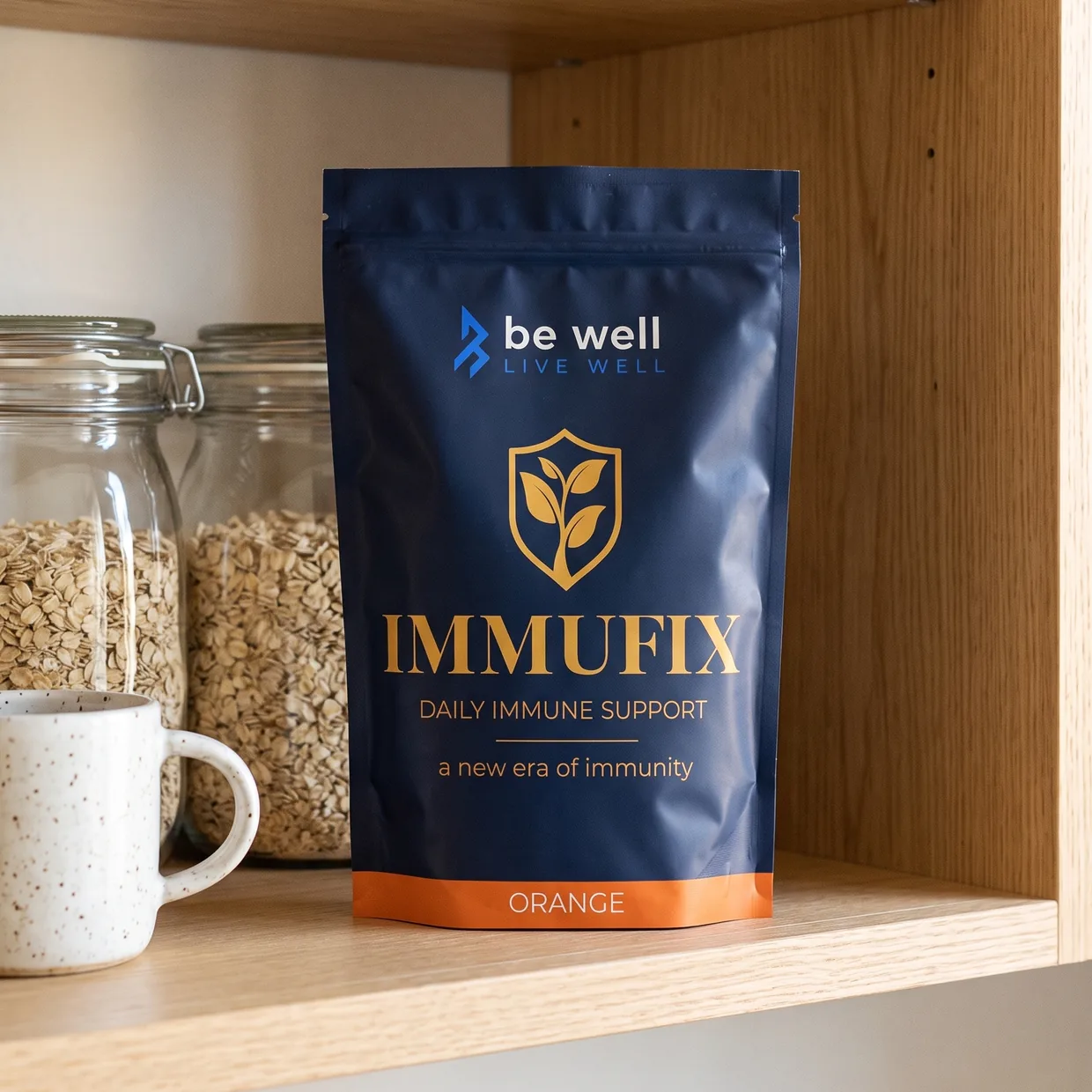
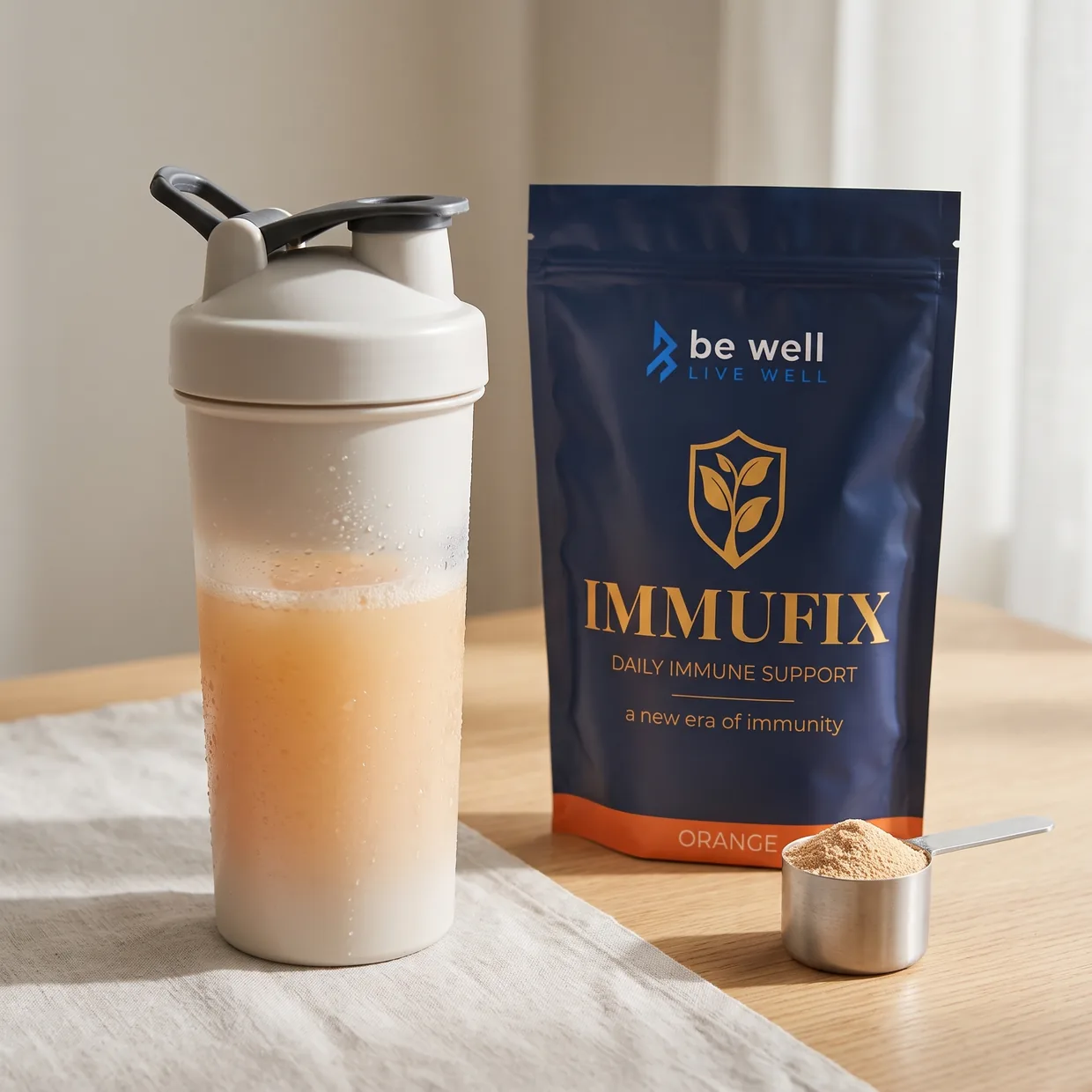
Immufix is not a porridge topping and not pre-run fuel. It is one 25g scoop in around 200ml of water, once a day, and many people take it with breakfast so the habit sticks. Riboflavin, niacin, pantothenic acid, vitamin B6 and magnesium contribute to normal energy-yielding metabolism and to the reduction of tiredness and fatigue, and magnesium also contributes to normal muscle function. Paula Radcliffe has taken it every morning since 1998; you can read her story on Paula's journey. Every amount is on the science page.
The short version.
- Porridge is a good pre-run breakfast: carbohydrate-rich, low in fat and familiar.
- Eat a full bowl two to three hours before a long or hard run, or a small one made with water an hour before.
- One BDA portion is 40g of oats, about 28g of carbohydrate (calculated).
- Top it with banana, honey or dried fruit. Save nuts and seeds for rest days.
- Paula Radcliffe's race version was porridge with water, chopped banana and honey.
Food supplements should not be used as a substitute for a varied, balanced diet and a healthy lifestyle. If you have a medical condition, are pregnant, breastfeeding or taking medication, speak to your GP or pharmacist before taking any food supplement.

Daily Immune Support
Vitamins, minerals and plant nutrients in one daily scoop. The formula Paula Radcliffe has taken every day since 1998.
4.8 out of 5 · 89 reviewsDispatched the same day on weekday orders placed before 2pm.
Free standard UK delivery. Royal Mail 48 tracked, 2 to 3 working days. UK addresses only.
30‑day money-back guarantee. Try your first pouch of IMMUFIX for up to 30 days. If it’s not for you, we’ll refund your first qualifying pouch, less £10 shipping and handling. First purchase only. T&Cs apply.
Checkout completes securely on immufix.com
More from the journal.
Carb loading for a marathon, in grams.
How many carbs to eat before a marathon: 10 to 12g per kg a day for 36 to 48 hours, 1 to 4g per kg on race morning, with a calculated UK day of meals.
10 October 2026 · 6 min read
Couch to 5K, started in winter.
Couch to 5K in winter: how the free NHS 9-week plan works, three runs a week, and how to fit it around dark mornings, short days, cold and rain.
10 October 2026 · 7 min read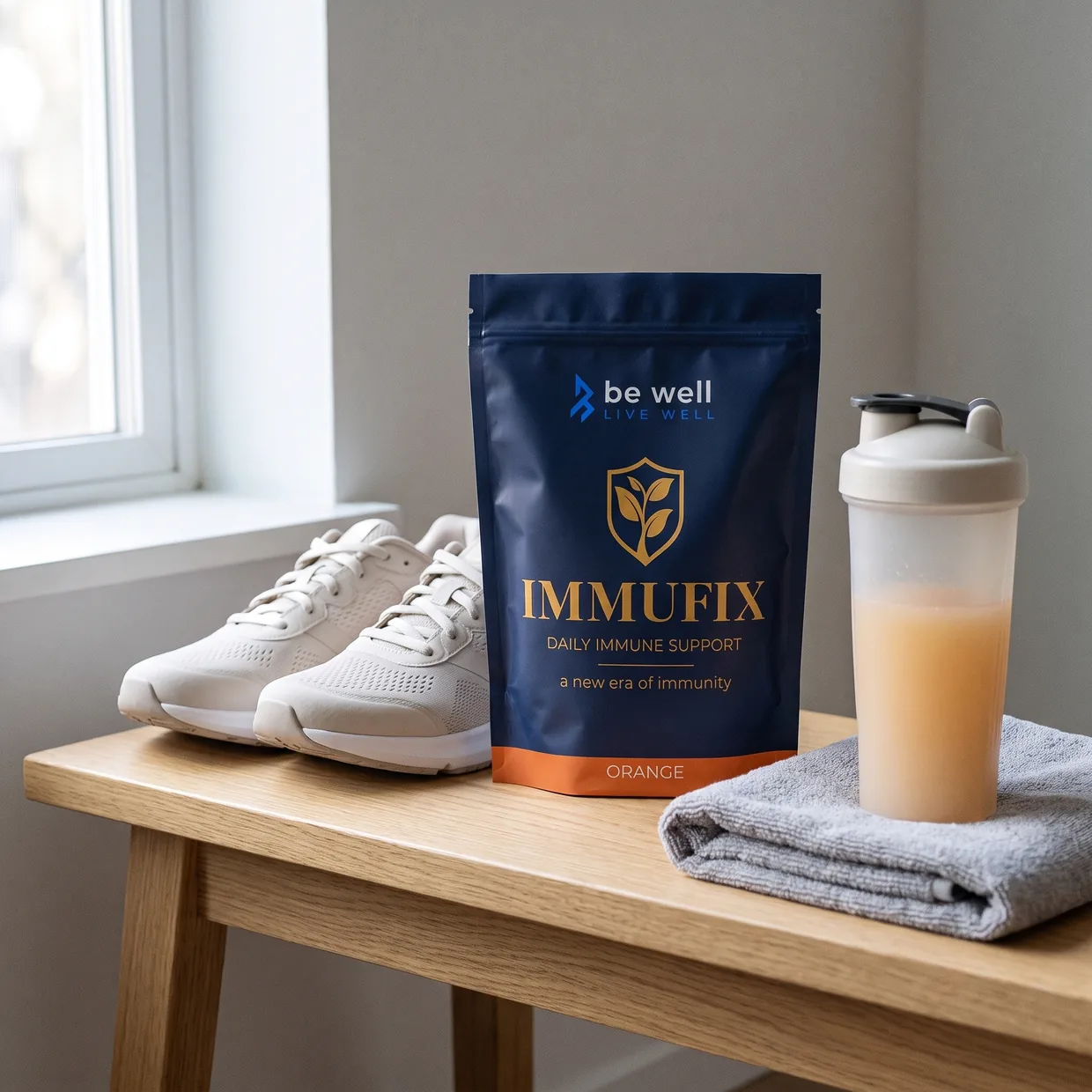
A half marathon nutrition plan, from the week before.
A half marathon nutrition plan for the week before, the night before, race morning, during the run and after, with sourced carbohydrate amounts.
10 October 2026 · 6 min read