
The days start getting longer on 22 December.
The day after the winter solstice is longer by about one second. By the end of January London has 77 more minutes of daylight, and by March it is gaining almost 4 minutes a day.
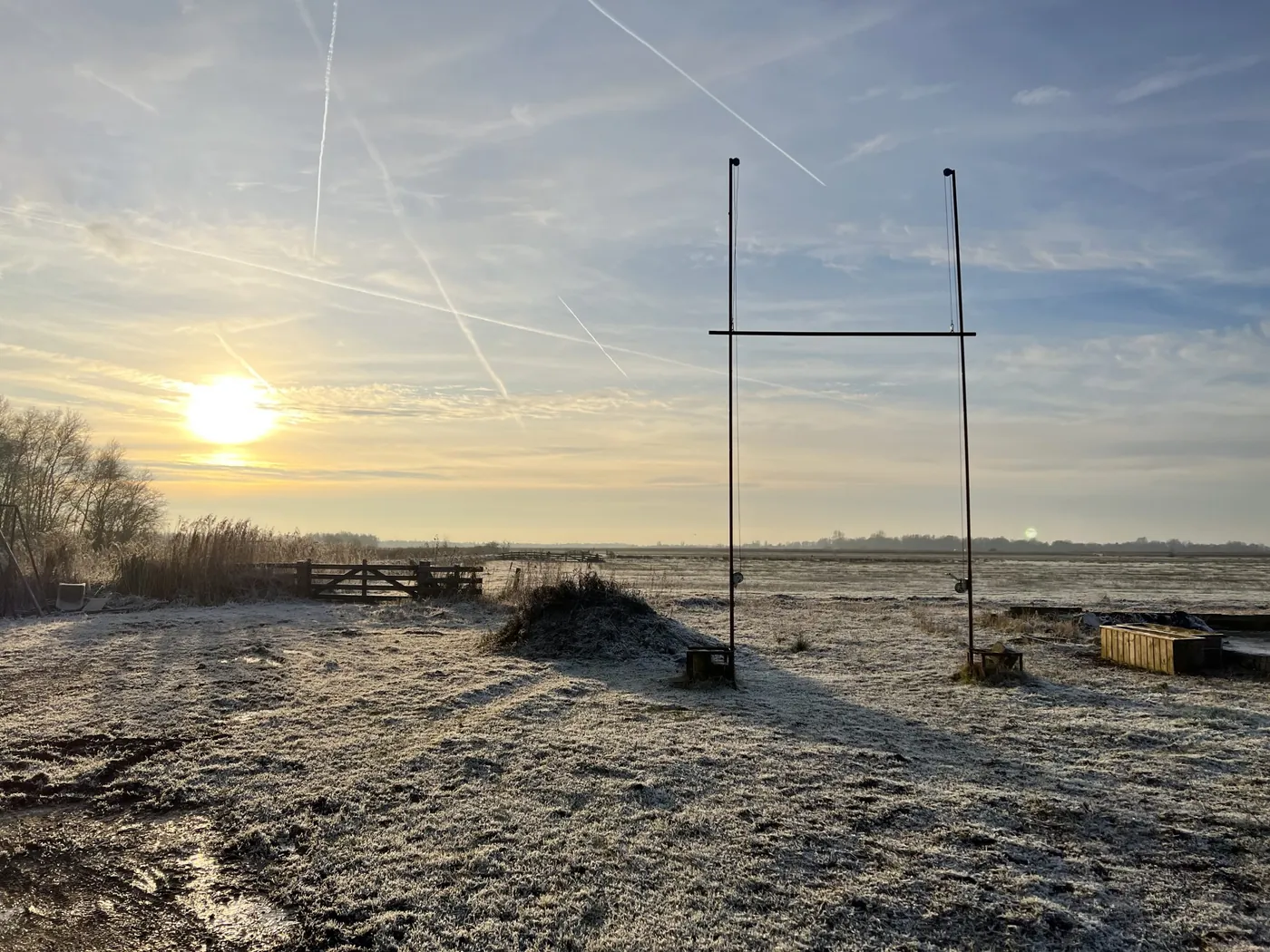
Quick answer. In the UK the days start getting longer on Tuesday 22 December 2026, the day after the winter solstice at 8.50pm GMT on 21 December. The first gain is tiny: about 1 second of extra daylight in London and Cardiff, and just over 1 second in Edinburgh and Belfast (calculated). In London the daily gain grows to about 1 minute by New Year, 2 minutes 20 seconds by mid-January and nearly 4 minutes by March. By 31 January London has 77 more minutes of daylight than on the shortest day, and Edinburgh 96.
When do the days start getting longer?
The days start getting longer straight after the winter solstice. The Royal Observatory Greenwich says that "In 2026 the winter solstice will occur on Monday 21 December", "at 8.50pm GMT in the UK", and that the shortest day "lasts 7 hours 49 minutes and 42 seconds in London." Our own calculation, using the NOAA solar algorithm, gives 7 hours 49 minutes and 40 seconds, within two seconds of the Greenwich figure.
Because the solstice falls late in the evening of 21 December, Tuesday 22 December is the first full day after it, and the first longer day. The day before the solstice, 20 December, was only 6 seconds longer than the shortest day in London and 7 seconds longer in Edinburgh. Around the solstice, day length barely moves.
The evenings and mornings do not turn at the same time. The evenings have been drawing out since the earliest sunset around 12 to 14 December, while the mornings keep getting darker until the latest sunrise on 29 or 30 December. The total daylight turns on 22 December.
How much lighter does each day get after the shortest day in the UK?
Very little at first, then more each week. This table shows how much longer each day is than the day before (calculated for each city centre, sunrise to sunset). Cardiff's figures match London's to within a second.
| Date | London | Belfast | Edinburgh |
|---|---|---|---|
| 22 Dec | +1s | +1s | +1s |
| 25 Dec | +20s | +24s | +26s |
| 28 Dec | +40s | +47s | +51s |
| 1 Jan | +1m 05s | +1m 16s | +1m 22s |
| 8 Jan | +1m 46s | +2m 03s | +2m 13s |
| 15 Jan | +2m 21s | +2m 43s | +2m 55s |
| 1 Feb | +3m 19s | +3m 48s | +4m 02s |
| 15 Feb | +3m 44s | +4m 13s | +4m 27s |
| 1 Mar | +3m 55s | +4m 24s | +4m 38s |
The daily gain peaks in mid-March: 3 minutes 59 seconds in London on 19 March, 4 minutes 27 seconds in Belfast and 4 minutes 41 seconds in Edinburgh on 18 March. That is just before the March equinox, which the US Naval Observatory puts at 20:25 UT on 20 March 2027. Day length changes fastest around the equinoxes and slowest around the solstices.
The further north you are, the faster the days grow. Edinburgh starts from a shorter day, 6 hours 58 minutes on 21 December against London's 7 hours 50 minutes, and catches up. All four capitals pass 12 hours of daylight on 18 March, and by the equinox Edinburgh's day is a minute longer than London's.
How much daylight do you gain by the end of January?
The gains add up quickly once January is under way. Compared with the shortest day (calculated):
- London and Cardiff: 1 extra minute by 26 December, 10 minutes by 5 January, 30 minutes by 15 January, an hour by 26 January and two hours by 13 February.
- Edinburgh: 1 minute by 26 December, 10 minutes by 3 January, 30 minutes by 12 January, an hour by 22 January and two hours by 6 February.
- Belfast: 1 minute by 26 December, 10 minutes by 3 January, 30 minutes by 13 January, an hour by 23 January and two hours by 8 February.
By 31 January, London's day is 9 hours 7 minutes long, Belfast's 8 hours 45 minutes and Edinburgh's 8 hours 34 minutes. By 28 February they reach 10 hours 50 minutes, 10 hours 41 minutes and 10 hours 37 minutes. For the dates each city passes 8, 9 and 10 hours, see our guide to UK daylight hours in winter.
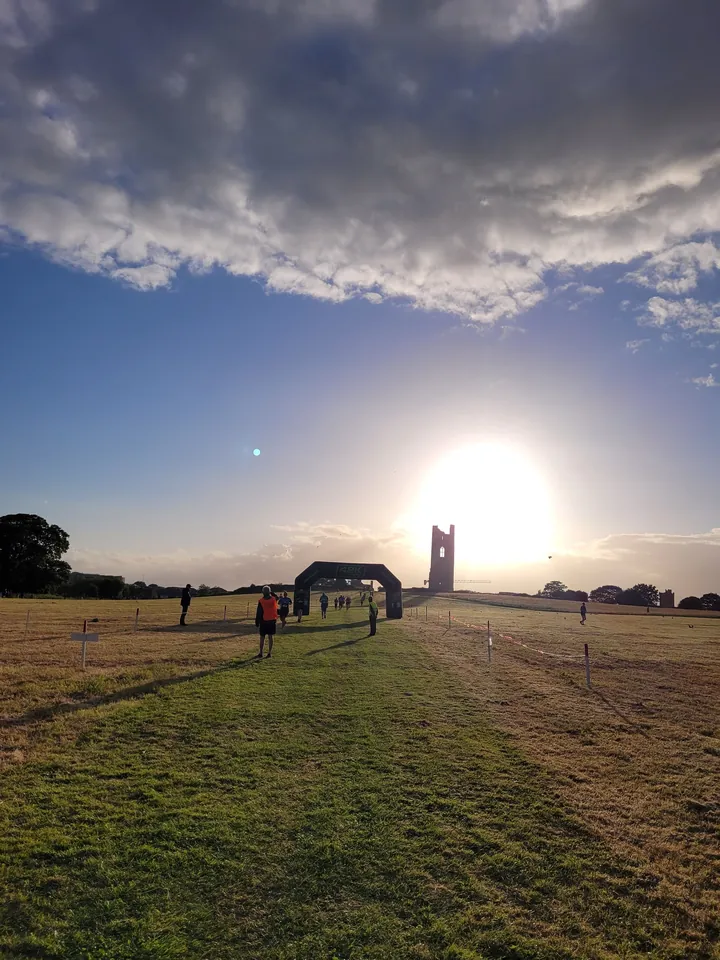
Why do the evenings get lighter faster than the mornings?
The extra daylight is not shared evenly. From 21 December to 31 January, London's sunrise moves 23 minutes earlier while its sunset moves 54 minutes later. By 28 February the split is 75 minutes in the morning and 105 in the evening. Edinburgh's figures are 32 and 64 minutes by the end of January.
The reason is solar noon, the moment the sun is highest, which drifts against the clock through the year. This drift is called the equation of time, and it comes from the tilt of the Earth's axis and its elliptical orbit. In London solar noon falls at 11:58 on 21 December, 12:10 on 15 January and 12:15 on 11 February, its latest of the year (calculated). With the middle of the day moving later, more of the new light lands in the evening. Until 30 December the mornings were still getting darker, even as the total day grew.
The evenings reach some clear markers first. London's sunset is 17:00 on 7 February and 17:39 on 28 February, while its sunrise is still 06:48 at the end of February. In Edinburgh the sun sets at 17:44 on 28 February and rises at 07:07.
How can you use the lengthening days?
January still has short days, but each week brings a usable change:
- Early January: the gain is in the afternoon. In London a 15:45 walk, close to sunset in mid-December, has 35 minutes of light left by 15 January.
- Late January: with an hour more daylight than the shortest day, there is room for a weekend run or a longer walk in proper light.
- February: sunsets after 17:00 in London from 7 February bring short after-work walks back for many people.
Longer days do not change the vitamin D picture straight away. The NHS advises that everyone "should consider taking a daily supplement containing 10 micrograms of vitamin D during the autumn and winter", and says that "From about late March or early April to the end of September, most people should be able to make all the vitamin D they need from sunlight." The full picture for 21 December is on our shortest day of 2026 page.
Where Immufix fits.
Immufix is a daily food supplement: one scoop (25g) in around 200ml of water, once a day. It contains 1.25 micrograms of vitamin D3, which is 25% of the NRV and well below the NHS's 10 micrograms. If you follow the NHS advice, take a dedicated vitamin D supplement and count the 1.25 micrograms in your total. Vitamin D contributes to normal muscle function and the maintenance of normal bones. Riboflavin, niacin, pantothenic acid, vitamin B6 and magnesium contribute to normal energy-yielding metabolism and to the reduction of tiredness and fatigue. The full list is on the science page.
The short version.
- The days start getting longer on Tuesday 22 December 2026, the day after the winter solstice.
- The first gain is about 1 second. London gains about 1 minute a day by New Year, 2 minutes 20 seconds by mid-January and nearly 4 minutes by March (calculated).
- London has 77 more minutes of daylight by 31 January and 3 hours more by 28 February. Edinburgh gains faster: 96 minutes by 31 January.
- Most of the new light goes to the evenings, because solar noon drifts later until 11 February.
- The NHS advice on 10 micrograms of vitamin D a day applies until about late March or early April.
Food supplements should not be used as a substitute for a varied, balanced diet and a healthy lifestyle. If you have a medical condition, are pregnant, breastfeeding or taking medication, speak to your GP or pharmacist before taking any food supplement.


Daily Immune Support
Vitamins, minerals and plant nutrients in one daily scoop. The formula Paula Radcliffe has taken every day since 1998.
4.8 out of 5 · 89 reviewsMonthly subscription. £52.00 is charged every month until you cancel. Minimum three payments, then cancel any time. Subscription terms
New here? 20% off your first order with code TRYIMMUFIX. Apply it
Dispatched the same day on weekday orders placed before 2pm.
Free standard UK delivery. Royal Mail 48 tracked, 2 to 3 working days. UK addresses only.
30‑day money-back guarantee. Try your first pouch of IMMUFIX for up to 30 days. If it’s not for you, we’ll refund your first qualifying pouch, less £10 shipping and handling. First purchase only. T&Cs apply.
Checkout completes securely on immufix.com
More from the journal.
The darkest mornings come after the shortest day.
The UK's latest sunrise comes after the shortest day: 08:06 in London on 30 December 2026, 08:44 in Edinburgh on 29 December. When mornings get lighter.
7 November 2026 · 7 min read
The earliest sunset comes before the shortest day.
The UK's earliest sunset comes before the shortest day: 15:51 in London on 12 December 2026 and 15:38 in Edinburgh on 14 December. Here is why.
7 November 2026 · 7 min read
The clocks go forward on Sunday 28 March 2027.
The UK clocks go forward at 1am on Sunday 28 March 2027. What changes, how much lighter the evenings get city by city, and how to handle the lost hour.
10 October 2026 · 6 min read