
Hair, skin and nails, by the authorised claims.
Biotin, zinc and selenium are the names on most hair and nail labels, and a few B vitamins and vitamin A join them for skin. The official claims are narrower than the marketing, and that is worth knowing before you buy anything.
Quick answer. In Great Britain, biotin, zinc and selenium contribute to the maintenance of normal hair. Zinc and selenium contribute to the maintenance of normal nails. Biotin, zinc, riboflavin, niacin and vitamin A contribute to the maintenance of normal skin, and vitamin C contributes to normal collagen formation for the normal function of skin. None of these authorised claims is about growing hair faster or thicker, and the NHS says most people can get these nutrients from a varied, balanced diet.
Which vitamins are good for hair, skin and nails in the UK?
In Great Britain, what a label may say about a nutrient is fixed by the GB nutrition and health claims register. GOV.UK puts it simply: "Only authorised claims in the Great Britain NHC register may be used in Great Britain." The register entry for zinc, for example, reads "Zinc contributes to the maintenance of normal nails".
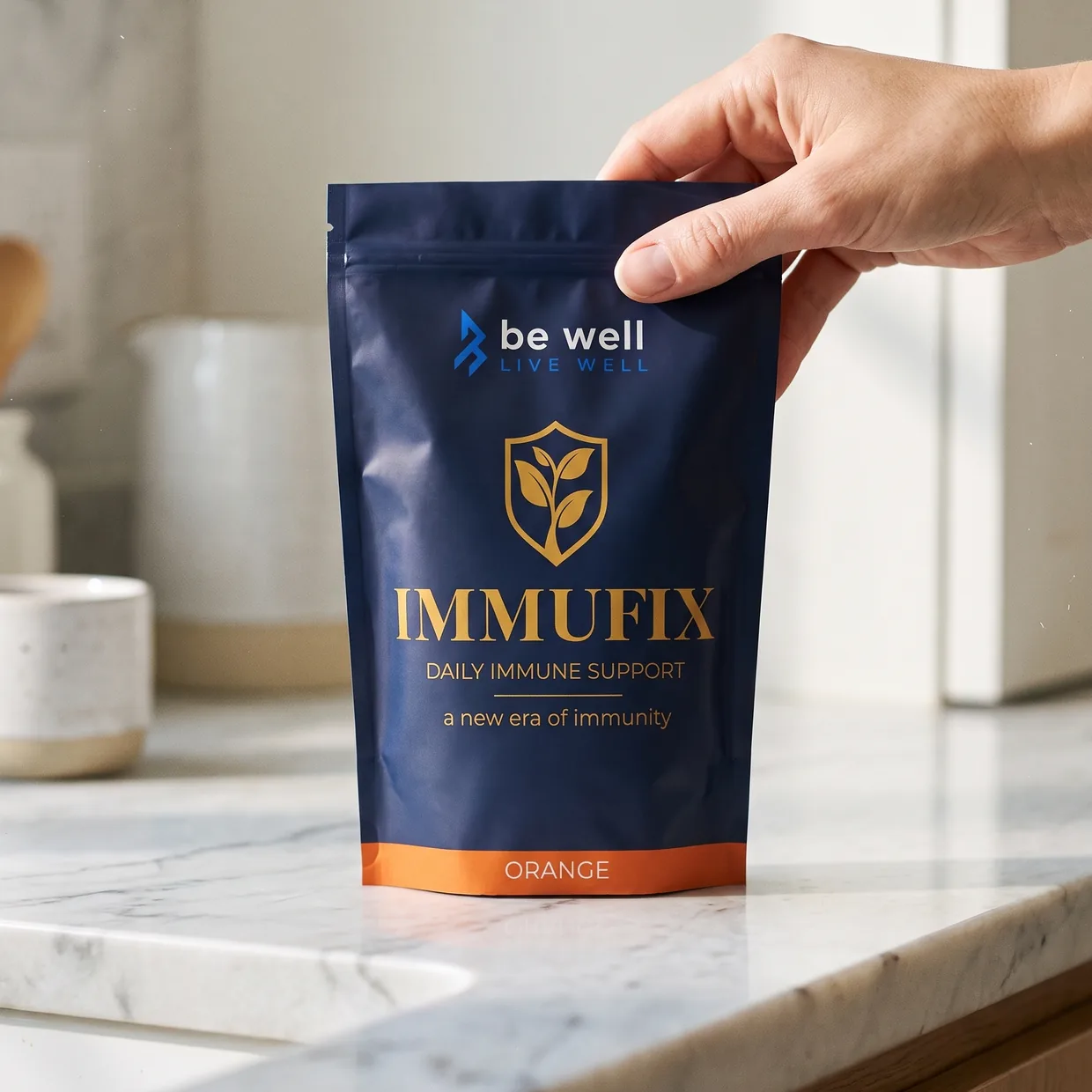
For hair, skin and nails, these are the claims held by nutrients in a 25g scoop of Immufix at 15% of their nutrient reference value (NRV) or more, the level at which a claim can be made.
| Nutrient | Per 25g scoop | Authorised claim |
|---|---|---|
| Biotin | 37µg · 74% NRV | The maintenance of normal hair, and the maintenance of normal skin |
| Zinc | 3.75mg · 38% NRV | The maintenance of normal hair, normal nails and normal skin |
| Selenium | 75µg · 136% NRV | The maintenance of normal hair, and the maintenance of normal nails |
| Riboflavin (B2) | 0.35mg · 25% NRV | The maintenance of normal skin |
| Niacin (B3) | 4.5mg · 28% NRV | The maintenance of normal skin |
| Vitamin A | 200µg · 25% NRV | The maintenance of normal skin |
| Vitamin C | 100mg · 125% NRV | Normal collagen formation for the normal function of skin |
Each nutrient "contributes to" the function in the right-hand column. NRVs are set in Annex XIII of the food information regulation: 50µg for biotin, 10mg for zinc and 55µg for selenium, for example. Copper also holds claims for normal hair and skin pigmentation, but it is in Immufix at 12% of its NRV, which is below the level, so we make no claim for it.
What does each one do for hair?
Three nutrients hold a hair claim: biotin, zinc and selenium. Each contributes to the maintenance of normal hair. The NHS describes them in plainer terms (NHS: B vitamins, NHS: zinc and selenium):
- Biotin "is needed in very small amounts to help the body make fatty acids". The NHS adds that the bacteria in your bowel make biotin, "so it's not clear if you need any additional biotin from the diet."
- Zinc helps with "making new cells and enzymes" and with processing carbohydrate, fat and protein in food.
- Selenium is needed in small amounts. Adults need 75µg a day (men) or 60µg (women).
Our guide to biotin and the foods that contain it goes into more detail.
Which nutrients matter for skin and nails?
Skin
Six nutrients in the table hold a skin claim. Biotin, zinc, riboflavin, niacin and vitamin A each contribute to the maintenance of normal skin. Vitamin C's claim is different: it contributes to normal collagen formation for the normal function of skin. Collagen is a structural protein, and the claim is about the body forming it normally.
The NHS says riboflavin helps "keep skin, eyes and the nervous system healthy", niacin helps "keep the nervous system and skin healthy", vitamin A helps with "keeping skin and the lining of some parts of the body, such as the nose, healthy" and vitamin C helps with "maintaining healthy skin, blood vessels, bones and cartilage".
Nails
Two nutrients hold a nail claim: zinc and selenium. Each contributes to the maintenance of normal nails. Biotin is often sold for nails, but it holds no nail claim on the register.
Which foods are good for hair, skin and nails?
The NHS lists these good sources. Most of them turn up in an ordinary week of meals.
- Zinc: meat, shellfish, dairy foods such as cheese, bread and wheatgerm.
- Selenium: brazil nuts, fish, meat and eggs.
- Biotin: found in a wide range of foods, but only at very low levels.
- Riboflavin: milk, eggs, fortified breakfast cereals, mushrooms and plain yoghurt.
- Niacin: meat, fish, wheat flour and eggs.
- Vitamin A: cheese, eggs, oily fish, milk and yoghurt, plus beta-carotene from spinach, carrots, sweet potatoes, red peppers, mango and apricots (NHS: vitamin A).
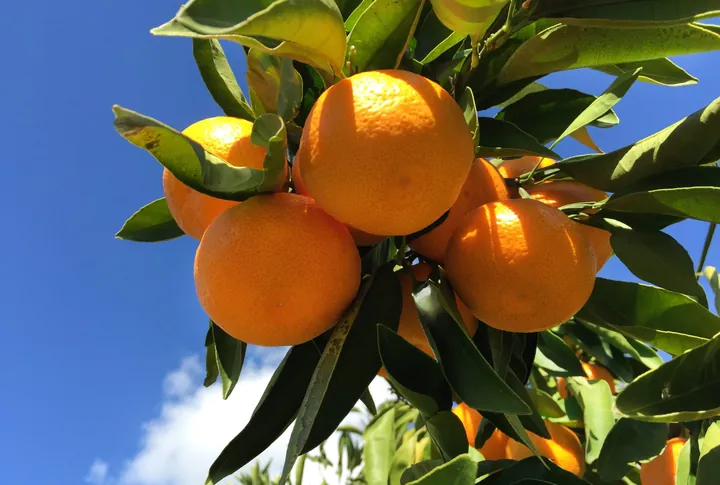
- Vitamin C: oranges, peppers, strawberries, blackcurrants, broccoli, brussels sprouts and potatoes.
Eggs appear in four of those lists, and a plate of fish with broccoli and potatoes covers several more. For figures per 100g, see our guide to zinc-rich foods.
Will a supplement make my hair grow faster?
No authorised claim says so. The hair claims are about the maintenance of normal hair, and the nail claims about the maintenance of normal nails. None of them mentions growth, thickness, shine or length, and a product that promises those is going beyond the register.
Hair, skin and nails change for many reasons that have nothing to do with vitamins. If a change in yours worries you, speak to a GP or pharmacist.
How much is too much?
More is not better, and the NHS sets upper guides for supplements:
- Biotin: 0.9mg or less a day is unlikely to cause any harm.
- Zinc: do not take more than 25mg a day unless advised to by a doctor.
- Selenium: 350µg or less a day is unlikely to cause any harm.
- Vitamin A: no more than 1.5mg a day from food and supplements combined.
Hair, skin and nail products often stack the same nutrients as a multivitamin, so add up the totals if you take more than one.
Where Immufix fits.
Immufix is one 25g scoop in around 200ml of water, once a day. It contains biotin at 37µg (74% NRV), zinc at 3.75mg (38%) and selenium at 75µg (136%). Biotin, zinc and selenium contribute to the maintenance of normal hair. Zinc and selenium contribute to the maintenance of normal nails. Biotin, zinc, riboflavin, niacin and vitamin A contribute to the maintenance of normal skin, and vitamin C contributes to normal collagen formation for the normal function of skin. Every amount is listed on the science page.
The short version.
- Biotin, zinc and selenium contribute to the maintenance of normal hair. Zinc and selenium contribute to the maintenance of normal nails.
- Biotin, zinc, riboflavin, niacin and vitamin A contribute to the maintenance of normal skin. Vitamin C contributes to normal collagen formation for the normal function of skin.
- No authorised claim is about faster or thicker hair.
- Eggs, dairy, meat, fish, brazil nuts, fruit and vegetables supply most of these nutrients.
- Changes in your hair, skin or nails that worry you are a question for a GP or pharmacist.
Food supplements should not be used as a substitute for a varied, balanced diet and a healthy lifestyle. If you have a medical condition, are pregnant, breastfeeding or taking medication, speak to your GP or pharmacist before taking any food supplement.

Daily Immune Support
Vitamins, minerals and plant nutrients in one daily scoop. The formula Paula Radcliffe has taken every day since 1998.
4.8 out of 5 · 89 reviewsDispatched the same day on weekday orders placed before 2pm.
Free standard UK delivery. Royal Mail 48 tracked, 2 to 3 working days. UK addresses only.
30‑day money-back guarantee. Try your first pouch of IMMUFIX for up to 30 days. If it’s not for you, we’ll refund your first qualifying pouch, less £10 shipping and handling. First purchase only. T&Cs apply.
Checkout completes securely on immufix.com
More from the journal.
What antioxidants are, in plain English.
What antioxidants are, what oxidative stress means in plain English, which nutrients hold the authorised claim, and the UK foods that provide them.
10 October 2026 · 7 min read
Biotin, what it does and where it is.
Biotin (vitamin B7) foods per 100g from UK government data, what the NHS says about biotin, its authorised claims and the NHS 0.9mg supplement guide.
10 October 2026 · 5 min read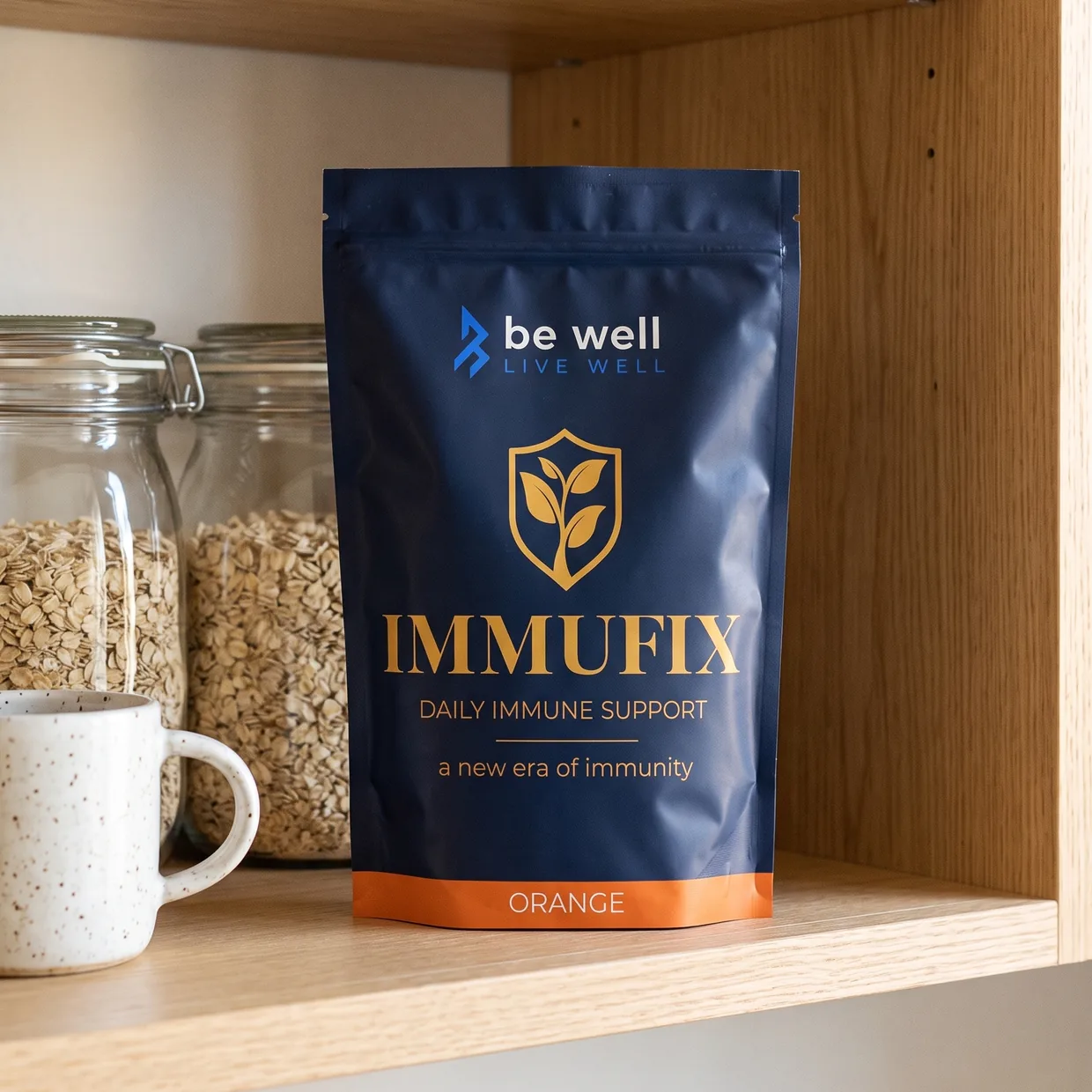
What chromium is, and where you find it.
What chromium is, which foods contain it, how much the NHS says adults need, and the one authorised health claim chromium holds in Great Britain.
10 October 2026 · 6 min read