
6.9 %
Vitamin E contributes to the protection of cells from oxidative stress.
54.7kcal
in a 10 g tablespoon
547 kcal per 100 g.
Source: UK CoFID 2021, record 17-656, 11 analysed samples. Checked 5 October 2026.
6 gFat
0.05 gProtein
0 gFibre
6.9 %Daily vitamin E
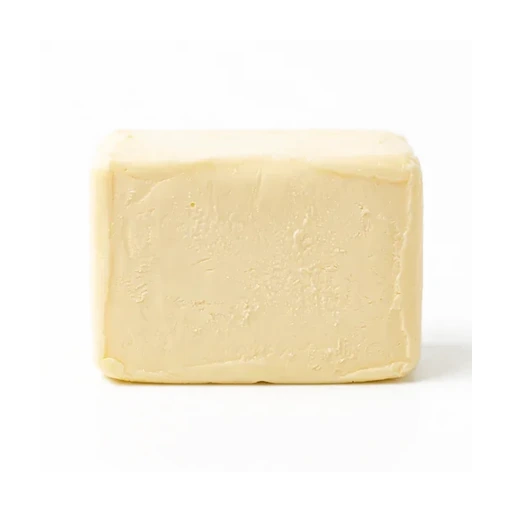
More than half of a tablespoon is fat, but only 2.6 g of that fat is saturated.
Spreadable butter is 547 kcal per 100 g. The 19 fats and oils in this database average 685.
25.7 g of saturates per 100 g, which is red on a UK traffic-light label (the line is 5 g).
Three of the 15 reach the “high in” level, led by vitamin E.
Vitamin E contributes to the protection of cells from oxidative stress.
Badges use the UK legal thresholds per 100 g: 15 % of the reference intake for “source of”, 30 % for “high in”. A trace is shown as “trace” and never counts.
No recorded vitamin C, and only 1 % of the zinc reference intake and 1.8 % of the selenium reference intake per 100 g.

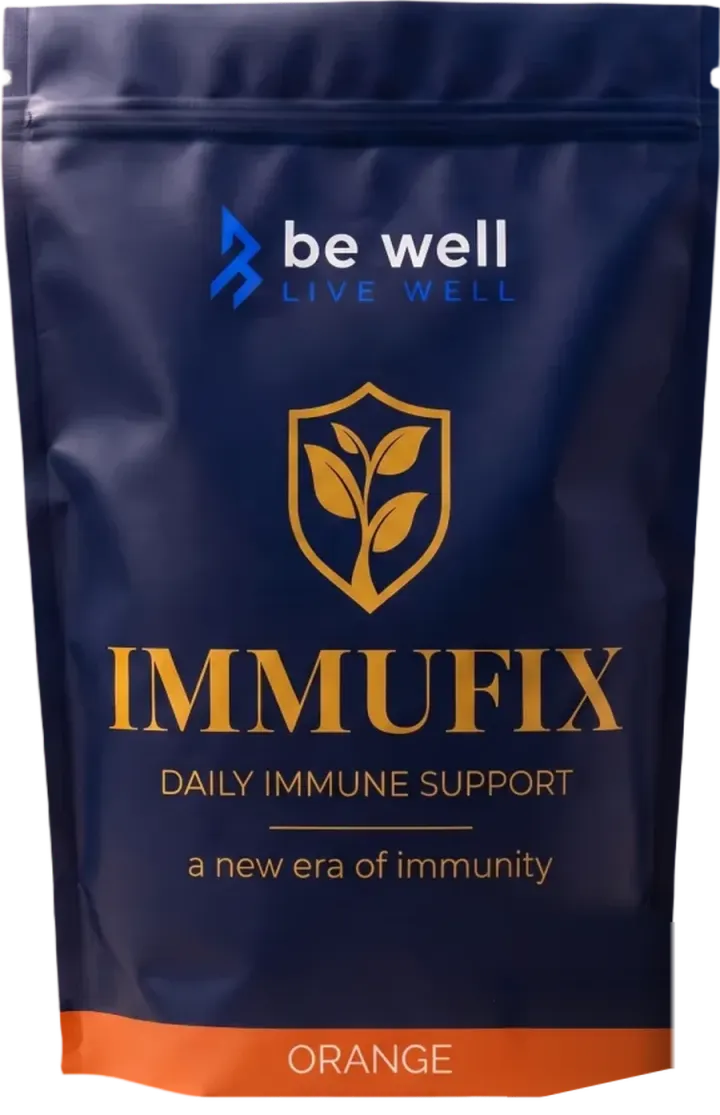
100 mgVitamin C, 125 %
0.075 mgSelenium, 136 %
0.00125 mgVitamin D, 25 %
Every 25 g scoop declares 100 mg of vitamin C, 0.00125 mg of vitamin D and 0.075 mg of selenium, alongside other vitamins and minerals. Vitamin C, vitamin D and selenium contribute to the normal function of the immune system.
30-day money-back on your first pouch. 75 kcal and 9.9 g of sugars a scoop.
30-day money-back guarantee on your first qualifying pouch, less £10 shipping and handling.
Free standard delivery to UK addresses. Royal Mail 48 tracked, usually 2 to 3 working days.
Made in the UK since 1998, with every nutrient and its declared amount listed on the label.
Per 100 g, fat spread (reduced fat (41-62%), not polyunsaturated, with olive oil) has the most vitamin E in this comparison, followed by baking fat and margarine (75-90% fat) (hard block) and spreadable butter.
All values per 100 g, from the same dataset. Differences are against spreadable butter.

Since that first introduction in 1998, Immufix has remained a constant in my life.
Paula Radcliffe, ambassador and co-owner. Read her story
Paula Radcliffe has taken the same formula since she was 24. Customers rate Immufix 4.8 out of 5 from 89 reviews.
What the numbers say to the questions people actually search.
From the same group, with calories per 100 g, and the foods with the most vitamin E.