
What vitamins really do for your energy.
The energy itself comes from food. Vitamins and minerals are part of the process that releases it, which is a different job from a cup of coffee and worth understanding before you buy anything that promises energy.
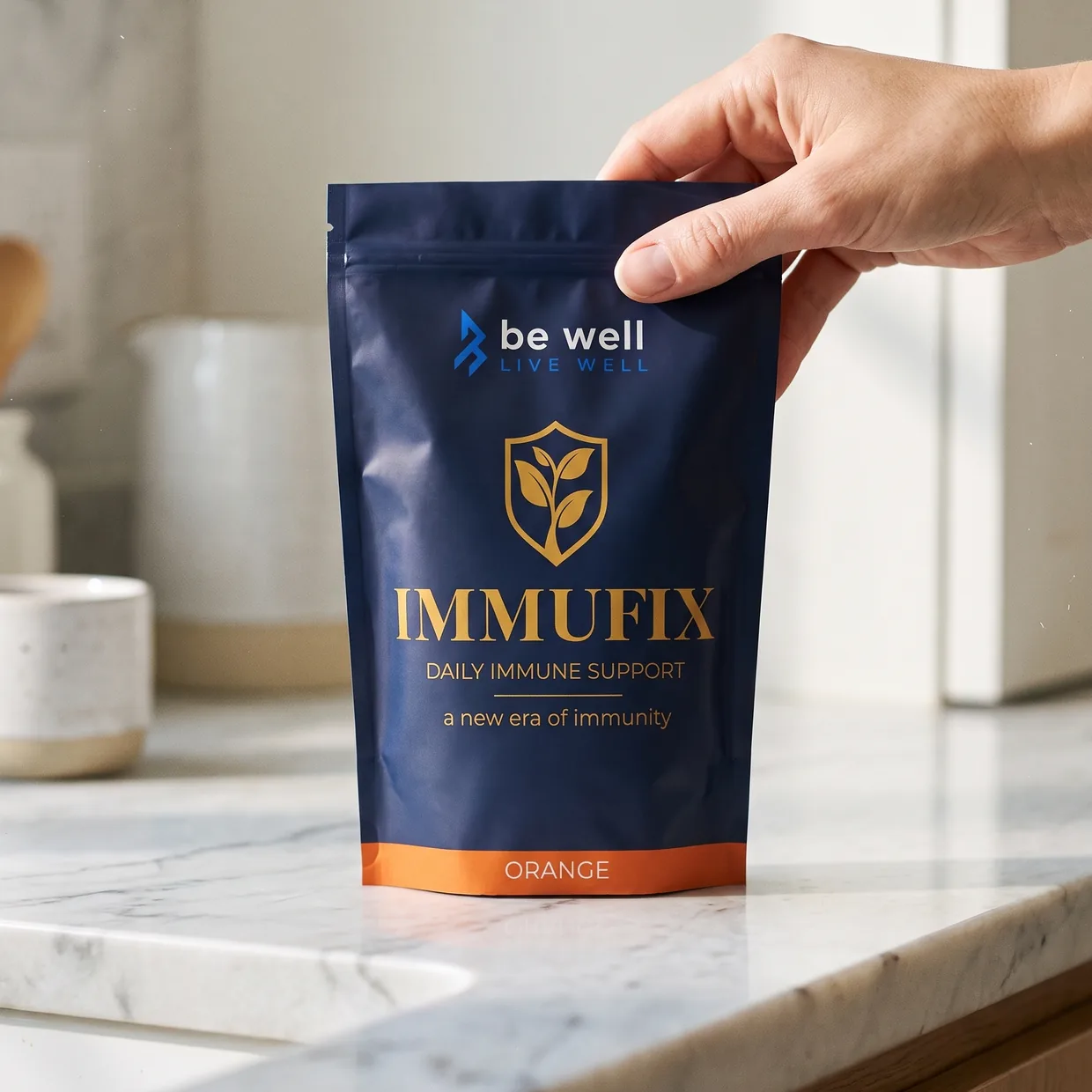
Quick answer. Your energy comes from the calories in food. Vitamins and minerals help the body release it: in Great Britain, nutrients authorised to say they contribute to normal energy-yielding metabolism include vitamin C, thiamin, riboflavin, niacin, pantothenic acid, vitamin B6, biotin, iodine and magnesium. They are not stimulants, and a varied, balanced diet supplies them for most people.
What vitamins help with energy?
In the UK, what a food or supplement may say about a nutrient is limited to wording in the GB nutrition and health claims register. GOV.UK is direct about it: "Only authorised claims in the Great Britain NHC register may be used in Great Britain."
Three authorised claims are about energy, and they are worth telling apart:
- Normal energy-yielding metabolism. The body's normal processes for releasing energy from food. Vitamin C, thiamin, riboflavin, niacin, pantothenic acid, vitamin B6, biotin, iodine and magnesium hold it.
- The reduction of tiredness and fatigue. Vitamin C, riboflavin, niacin, pantothenic acid, vitamin B6, folic acid and magnesium hold it.
- Normal macronutrient metabolism. How the body handles carbohydrate, fat and protein. Zinc and chromium hold it.
The wording is fixed. The register entry for magnesium, for example, reads "Magnesium contributes to normal energy-yielding metabolism".
What does "normal energy-yielding metabolism" mean?
Energy in the everyday sense comes from what you eat and drink. The NHS explains that "the amount of energy in food or drink is measured in calories" (NHS: understanding calories). That energy is carried by carbohydrate, fat and protein.
Getting it out of food and into a form the body can use takes a chain of chemical steps, and vitamins and minerals are needed in small amounts along the way. The NHS describes riboflavin and niacin as helping "the body release energy from food", vitamin B6 as helping "the body to use and store energy from protein and carbohydrates in food" (NHS: B vitamins), and magnesium as helping "turn the food we eat into energy" (NHS: other vitamins and minerals).
That is what the claim means. The word "normal" is part of it: these nutrients contribute to the normal process. They do not add energy that the food did not contain.
Are vitamins for energy a stimulant?
No, and this is the most common misunderstanding. The NHS describes caffeine this way: "Caffeine is a stimulant which means it makes you feel more awake." It also notes that "the effects of caffeine on the body can last up to 7 hours", which is why it suggests avoiding it in the evening if you have trouble sleeping (NHS: self-help tips to fight tiredness).
None of the vitamin or mineral energy claims says anything about feeling more awake. They describe a contribution to ordinary body chemistry, day in, day out. If a product makes you feel a jolt soon after drinking it, look at its caffeine content, not its vitamins.
Vitamins and minerals for energy, in one table.
These are the nutrients in a 25g scoop of Immufix that hold an energy or tiredness claim, at 15% of their nutrient reference value (NRV) or more, the level at which we make a claim.
| Nutrient | Per 25g scoop | What it contributes to |
|---|---|---|
| Vitamin C | 100mg · 125% NRV | Normal energy-yielding metabolism, and the reduction of tiredness and fatigue |
| Thiamin (B1) | 0.25mg · 23% NRV | Normal energy-yielding metabolism |
| Riboflavin (B2) | 0.35mg · 25% NRV | Normal energy-yielding metabolism, and the reduction of tiredness and fatigue |
| Niacin (B3) | 4.5mg · 28% NRV | Normal energy-yielding metabolism, and the reduction of tiredness and fatigue |
| Pantothenic acid (B5) | 1.5mg · 25% NRV | Normal energy-yielding metabolism, and the reduction of tiredness and fatigue |
| Vitamin B6 | 0.5mg · 36% NRV | Normal energy-yielding metabolism, and the reduction of tiredness and fatigue |
| Biotin (B7) | 37µg · 74% NRV | Normal energy-yielding metabolism |
| Folic acid | 50µg · 25% NRV | The reduction of tiredness and fatigue |
| Iodine | 37.5µg · 25% NRV | Normal energy-yielding metabolism |
| Magnesium | 70mg · 19% NRV | Normal energy-yielding metabolism, the reduction of tiredness and fatigue, and normal muscle function |
| Zinc | 3.75mg · 38% NRV | Normal macronutrient metabolism |
| Chromium | 50µg · 125% NRV | Normal macronutrient metabolism |
Iron and vitamin B12 are also in Immufix, at 9% and 10% of their NRVs. That is below the level, so they are not in this table and we make no claim for them. NRVs are set in Annex XIII of the food information regulation: 80mg for vitamin C and 375mg for magnesium, for example.
Which foods supply them?
Every nutrient in that table is in ordinary food. These are the good sources the NHS lists:
- Vitamin C: oranges and orange juice, peppers, strawberries, blackcurrants, broccoli, brussels sprouts and potatoes.
- Thiamin: peas, bananas and oranges, nuts, wholegrain breads and some fortified breakfast cereals.
- Riboflavin: milk, eggs, fortified breakfast cereals, mushrooms and plain yoghurt.
- Niacin: meat, fish, wheat flour and eggs.
- Pantothenic acid: chicken, beef, eggs, mushrooms and avocado.
- Vitamin B6: pork, poultry, some fish, peanuts, soya beans, oats, bananas and milk.
- Folate: broccoli, brussels sprouts, leafy greens, peas, chickpeas and kidney beans.
- Iodine: cows' milk and dairy products, eggs, sea fish and shellfish.
- Magnesium: spinach, nuts and wholemeal bread.
- Zinc: meat, shellfish, dairy foods such as cheese, bread and wheatgerm.
- Chromium: meat, nuts and cereal grains.
Adults aged 19 to 64 need 40mg of vitamin C a day, according to the NHS, and it "cannot be stored in the body, so you need it in your diet every day."
Do you need a supplement for energy?
Most people do not. The NHS says that "most people should get all the nutrients they need by having a varied and balanced diet, although some people may need to take extra supplements."
If you feel low on energy, the NHS's first suggestions are about habits rather than pills: "regular meals and healthy snacks every 3 to 4 hours", regular exercise, a steady sleep routine, less caffeine and alcohol, and enough water. Our piece on feeling tired in winter puts those into a routine, and our guide to which B vitamins help with tiredness goes through them one by one.
If tiredness goes on for weeks without a clear reason, see a GP rather than changing your diet.
Where Immufix fits.
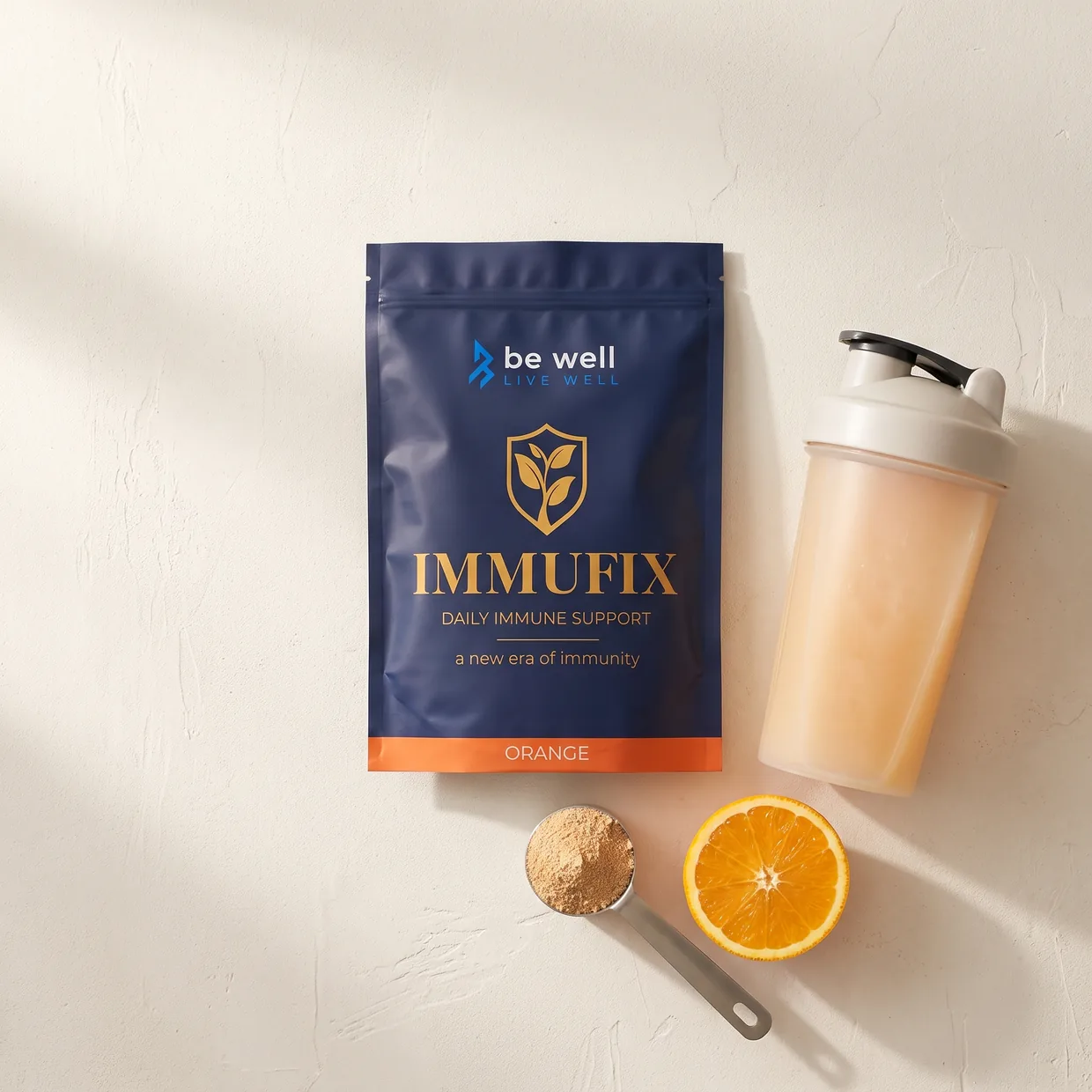
Immufix is one 25g scoop in around 200ml of water, once a day. It is a food supplement, not an energy drink. Vitamin C, riboflavin, niacin, pantothenic acid, vitamin B6 and magnesium contribute to normal energy-yielding metabolism and to the reduction of tiredness and fatigue. Thiamin, biotin and iodine contribute to normal energy-yielding metabolism. A serving also provides 75 kcal. Every amount is listed on the science page.
The short version.
- Energy comes from the calories in food. Vitamins and minerals help the body release it.
- "Normal energy-yielding metabolism" is the authorised claim for that job. Vitamin C, several B vitamins, iodine and magnesium are among the nutrients that hold it.
- They are not stimulants. Caffeine is.
- Fruit, vegetables, wholegrains, dairy, eggs, meat and fish supply them for most people.
- Tiredness that lasts for weeks is a question for a GP.
Food supplements should not be used as a substitute for a varied, balanced diet and a healthy lifestyle. If you have a medical condition, are pregnant, breastfeeding or taking medication, speak to your GP or pharmacist before taking any food supplement.

Daily Immune Support
Vitamins, minerals and plant nutrients in one daily scoop. The formula Paula Radcliffe has taken every day since 1998.
4.8 out of 5 · 89 reviewsDispatched the same day on weekday orders placed before 2pm.
Free standard UK delivery. Royal Mail 48 tracked, 2 to 3 working days. UK addresses only.
30‑day money-back guarantee. Try your first pouch of IMMUFIX for up to 30 days. If it’s not for you, we’ll refund your first qualifying pouch, less £10 shipping and handling. First purchase only. T&Cs apply.
Checkout completes securely on immufix.com
More from the journal.

Cold weather, short days and feeling tired.
Does cold weather make you tired? What research shows about winter, sleep and daylight, what is still unknown, and the routine changes that help most.
10 October 2026 · 6 min read
How much caffeine is too much in a day.
UK guidance puts the limit at 400mg of caffeine a day for most adults, 200mg in pregnancy. What that means in mugs of tea and coffee, and how to cut down.
10 October 2026 · 6 min read
How much exercise you need each week.
The NHS and UK Chief Medical Officers say 150 minutes of moderate or 75 of vigorous activity a week, plus strength on 2 days. What counts and how to fit it in.
10 October 2026 · 6 min read